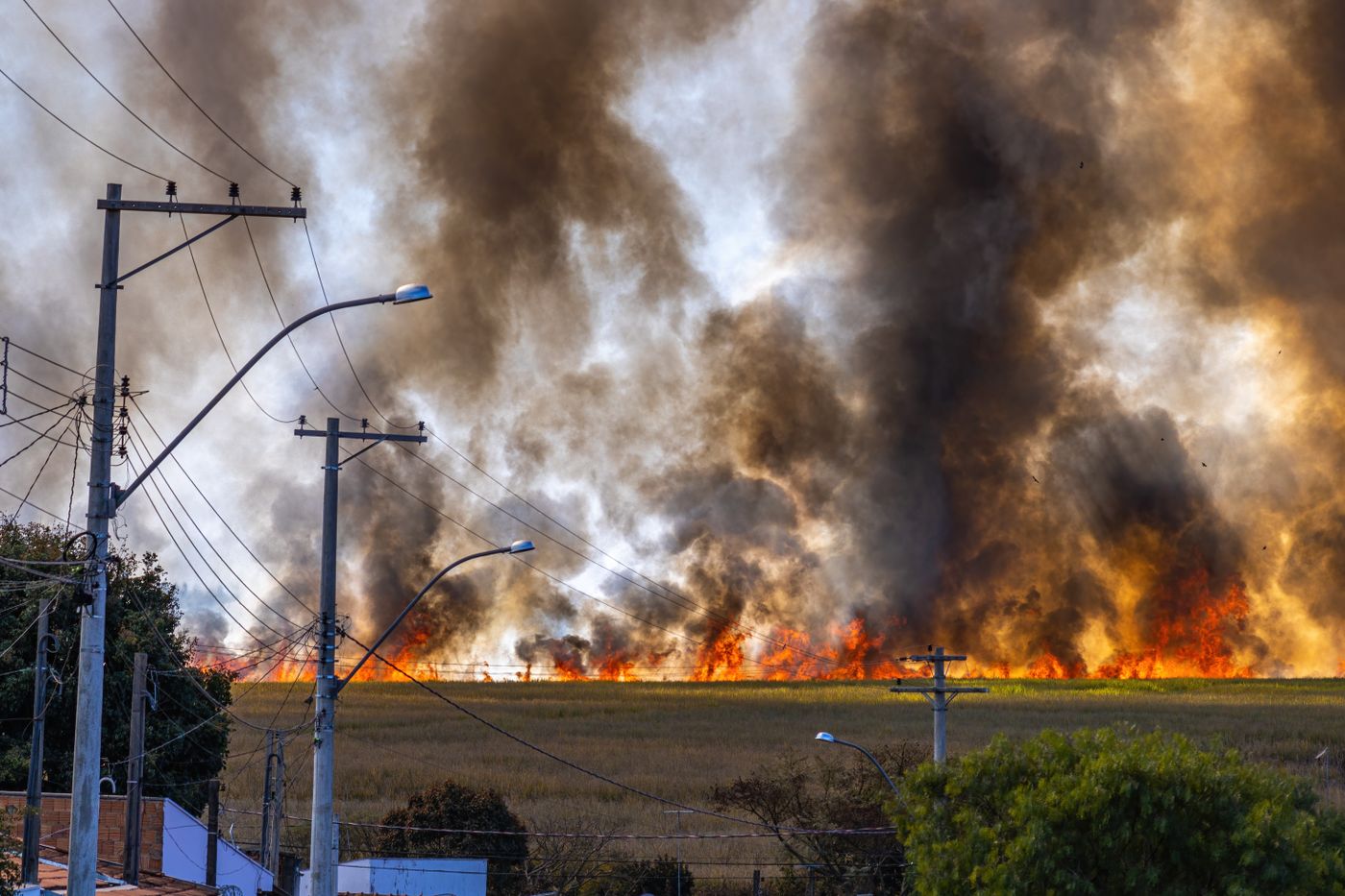
A go-bag, also called a bug out bag or 72-hour kit, is a packed bag, one per person, that lets you leave home within minutes and be self-sufficient for about three days. Wildfires, floods, chemical spills and gas leaks can all mean an evacuation order with little warning. A ready bag means you leave calmly instead of scrambling.
The checklist
Water and food
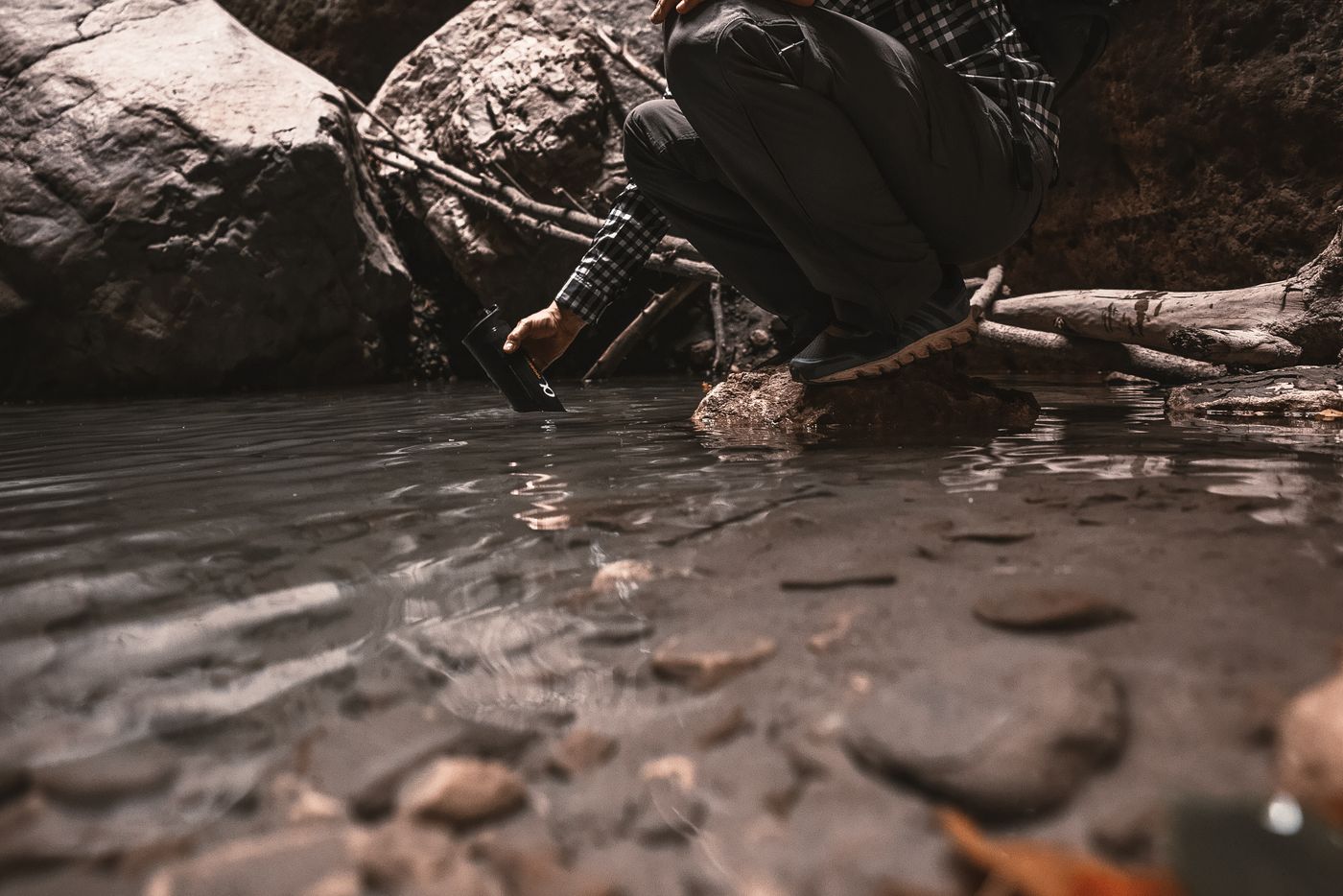
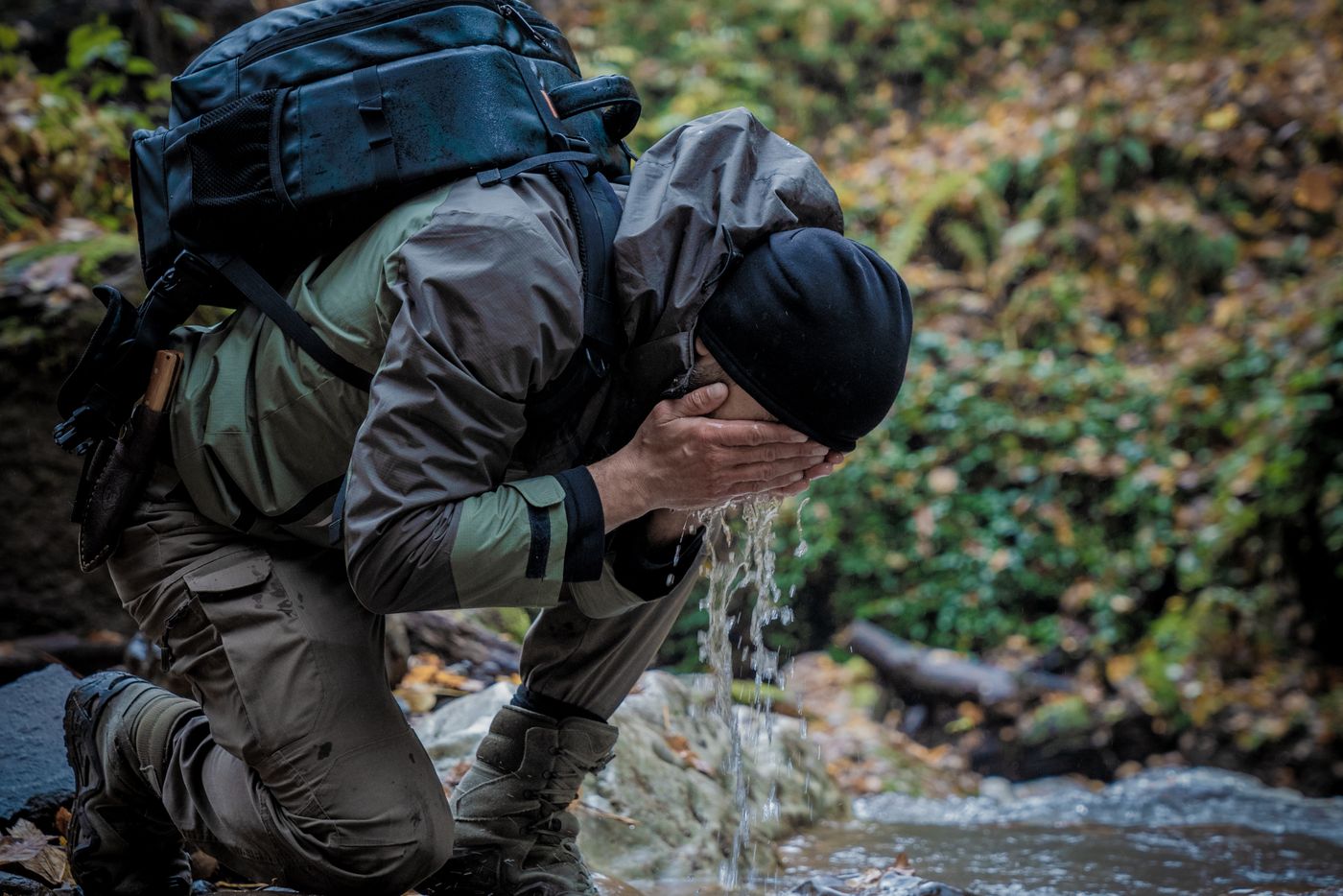
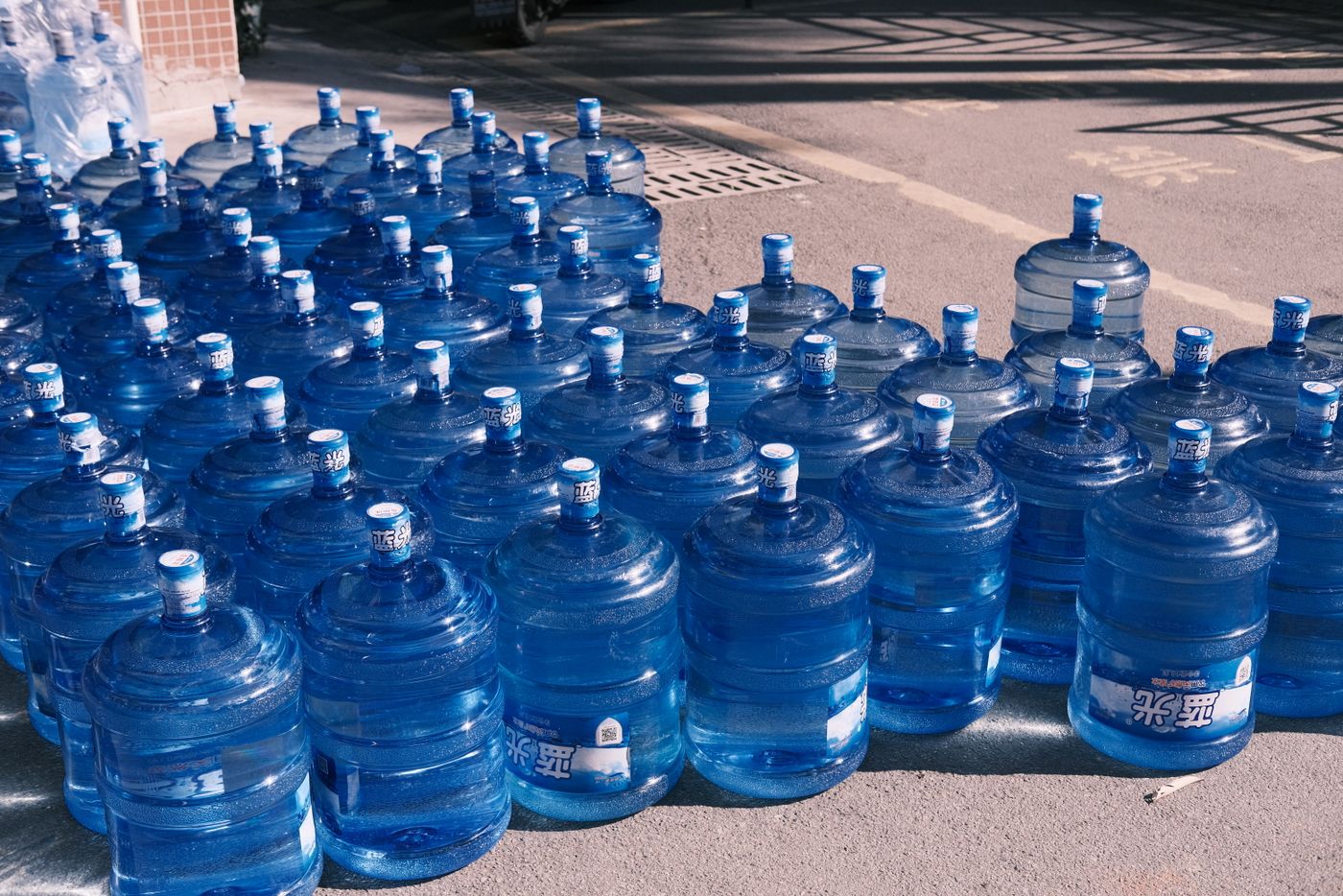
- Three days of water, about three gallons per person. In practice, carry what you can and pack a straw filter or purification tablets.
- Three days of food that needs no cooking: ration bars, nut butter, jerky, dried fruit, freeze-dried meals.
Health
- A week of prescription medications, and copies of prescriptions.
- A compact first aid kit, and glasses or contact lenses.
- N95 masks (essential for wildfire smoke) and hand sanitizer.
Documents and money
- Copies of IDs, insurance cards and policies, and a list of contacts in a waterproof bag.
- Cash in small bills, a spare car key and house key.
- A paper map with at least two evacuation routes marked.
Light, power and communication
- A headlamp or flashlight with spare batteries.
- A phone charger and charged power bank.
- A small battery or hand-crank radio.
- A whistle.
Clothing and shelter
- A change of clothes, sturdy shoes, a warm layer and rain gear.
- An emergency blanket or compact sleeping bag.
- Work gloves.
Hygiene
- Toothbrush, toilet paper, wipes, feminine supplies, a small towel.
Packing tips
- Keep it light enough to carry. Fire agencies recommend bags light enough to lift easily into a vehicle.
- One bag per person, including children (with a familiar toy or book), plus a pet kit.
- Store bags near an exit or in the car during fire or hurricane season.
- Check them twice a year to replace food, water, medication and batteries, and update clothing sizes.
- Keep sturdy shoes and a flashlight by your bed for night-time evacuations.
Build or buy?
Building your own lets you choose every item. Pre-built 72-hour kits (see our bug out bag and survival kit picks) are faster and make good gifts; add your own medications, documents and clothing. Either way, a durable pack matters: it should carry weight comfortably and keep items organized.
Live in wildfire country? Read our wildfire evacuation checklist.
Frequently asked questions
What should be in a 72-hour go bag?
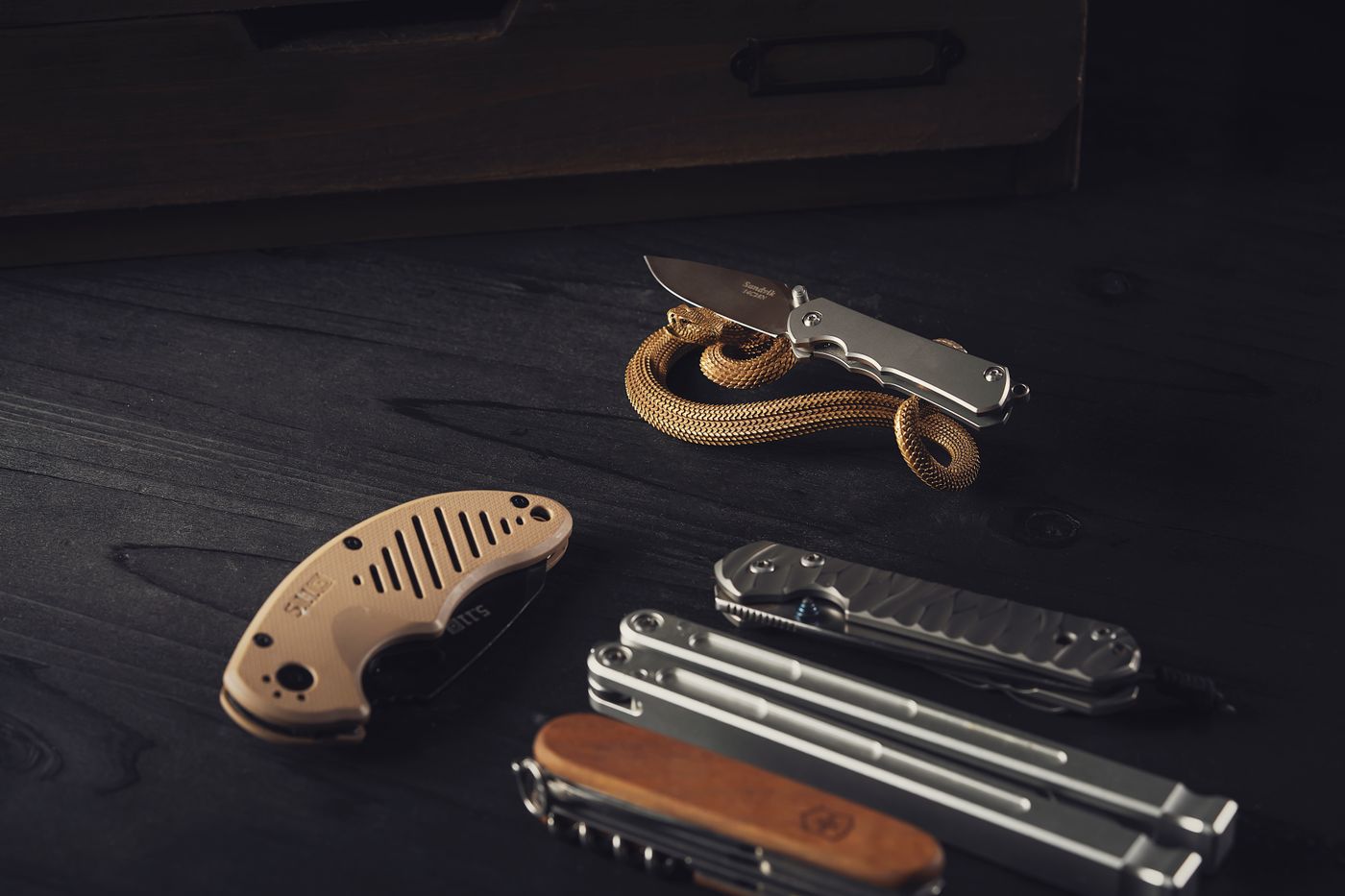
Water and a filter, compact food, a flashlight or headlamp, a radio, a first aid kit, medications, copies of documents, cash, a phone charger, a change of clothes, rain gear, a multi-tool and hygiene supplies.
How heavy should a go bag be?
Light enough for each person to carry comfortably over a long walk. Three days of water alone weighs about 25 pounds per person, which is why many people carry some water plus a filter.
Where should I keep my go bag?
Somewhere you can grab it on the way out, such as a hall closet near the door, with a smaller version in your car.
How often should I check my go bag?
Every six months is a good habit. Rotate food and water, swap clothing for the season, and replace batteries and medications.
Sources
This guide is general information and is not a substitute for advice from emergency officials, medical professionals or your local authorities. Some links on this site are affiliate links; see our disclosure.