Floods happen in every state, from hurricanes and river flooding to sudden flash floods after a single thunderstorm. The National Weather Service says flooding claims 80 to 90 lives in an average year, and most of those deaths could be prevented with one rule.
Turn Around, Don't Drown
Never drive or walk into floodwater. You cannot tell how deep it is or whether the road beneath has washed away. According to the National Weather Service:
- 6 inches of fast-moving water can knock an adult off their feet.
- 12 inches of moving water can carry off a small car.
- 18 to 24 inches can carry away larger vehicles, including trucks, vans and SUVs.
More than half of flood deaths happen when someone drives or walks into floodwater. Never drive around a barricade, and be extra careful at night, when it's hardest to see water on the road.
Before a flood
- Know your risk. Look up your address on FEMA's flood maps, and remember that flooding happens outside mapped flood zones too.
- Check your insurance. Standard homeowners and renters policies generally don't cover flood damage. Learn about flood insurance at FloodSmart.gov well before you need it.
- Sign up for local emergency alerts and keep a weather radio with fresh batteries.
- Store important documents in a waterproof document bag, and keep copies in the cloud.
- Pack a go-bag and plan two routes to higher ground.
- Move valuables and electronics up off the floor, and know how to shut off your electricity.
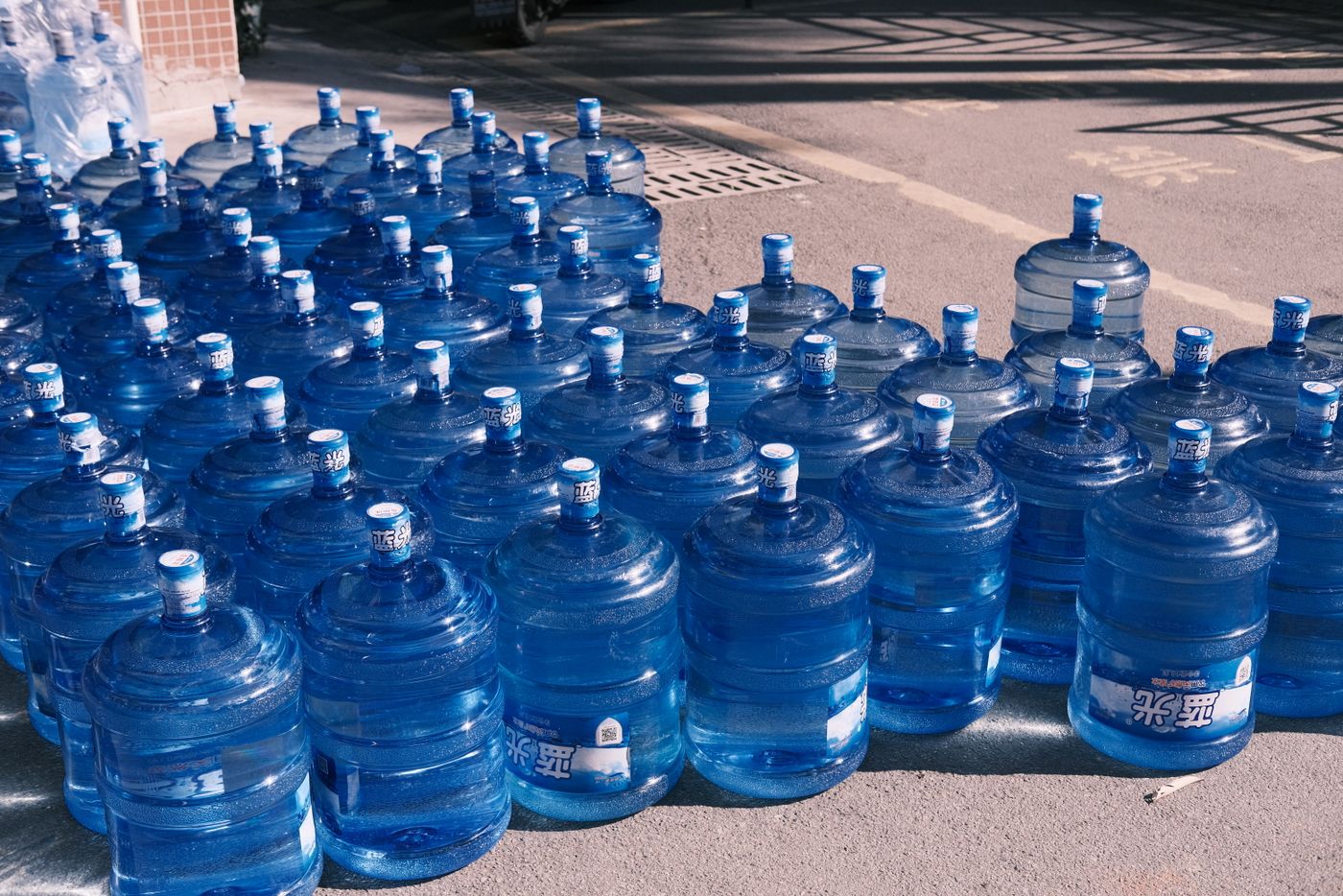
- Store drinking water. Floods can contaminate tap water.
Flood watch vs. warning
A flood watch means flooding is possible: get ready to move. A flood warning means flooding is happening or about to: move to higher ground now. A flash flood warning means a dangerous flood is imminent or underway, often with only minutes of notice.
During a flood
- Get to higher ground immediately when you're told to, or as soon as water starts rising.
- If you're trapped by moving water, get to the highest point you can and call 911.
- Stay out of water that may have electricity in it from downed lines or flooded outlets.
- Don't camp or park along streams or in washes when storms are forecast.
After the water goes down
- Return home only when officials say it's safe.
- Avoid floodwater. It can carry sewage, chemicals and debris.
- Wear gloves and boots during cleanup, and throw out food that touched floodwater.
- Boil or filter water until officials say tap water is safe. A water filter helps.
- Run generators only outdoors, far from windows. See our generator safety guide.
- Photograph damage before you clean up, for insurance.
Sources
- National Weather Service: Turn Around Don't Drown
- National Weather Service: Flood safety during a flood
- National Weather Service: Flood safety brochure
- NWS Little Rock: Flood Safety Awareness Week
- FEMA Flood Map Service Center
- FloodSmart.gov (National Flood Insurance Program)
This guide is general information and is not a substitute for advice from emergency officials, medical professionals or your local authorities. Some links on this site are affiliate links; see our disclosure.