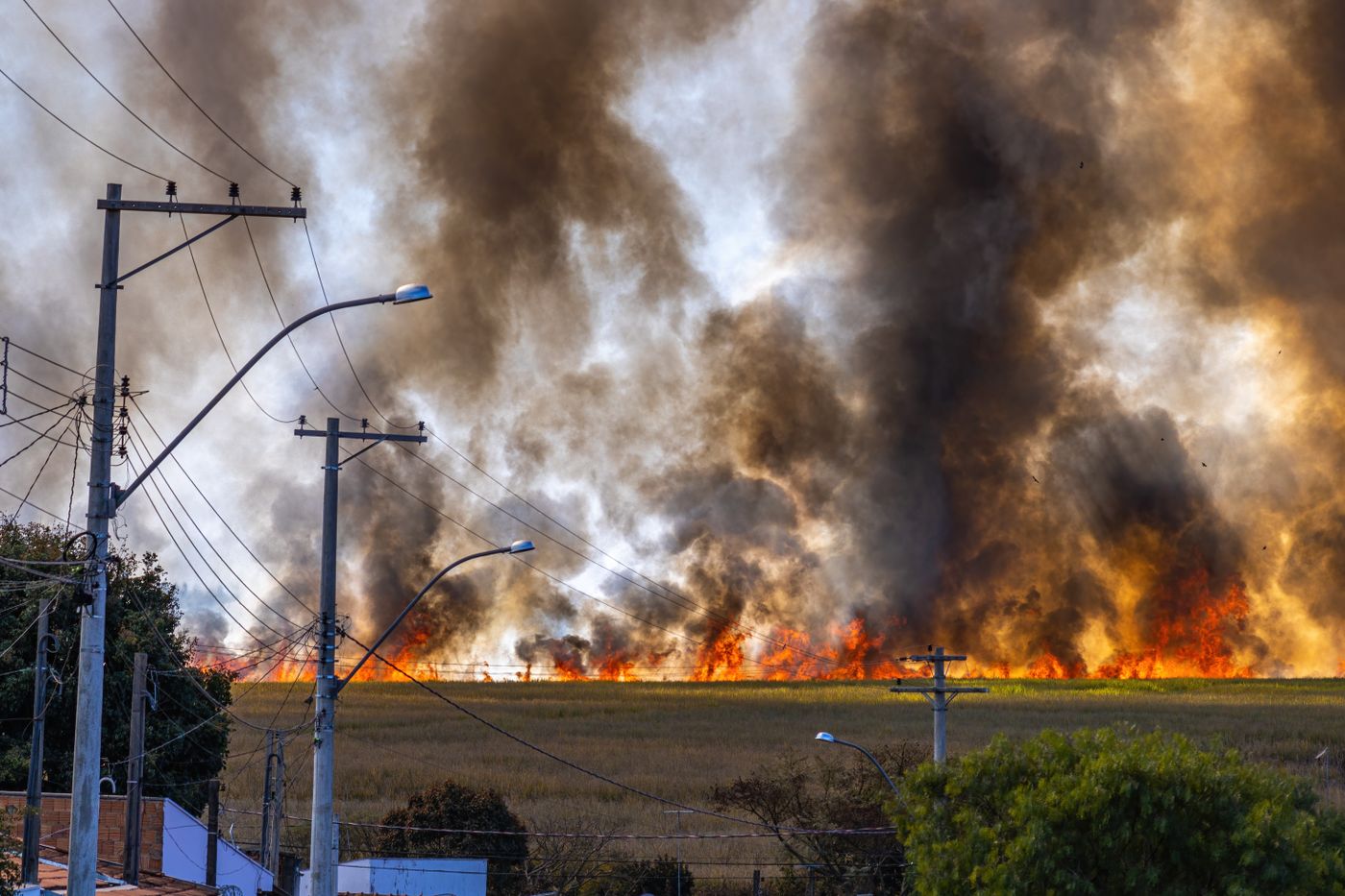
Wildfires can move faster than many people expect, and in some areas residents have only minutes to leave. Fire agencies organize preparation around three stages: Ready, Set and Go. The single most important rule is to leave early.
Ready: before fire season
- Know your zone. Many counties assign evacuation zones; find yours and sign up for local emergency alerts.
- Plan two routes out of your neighborhood, and a meeting place outside the area.
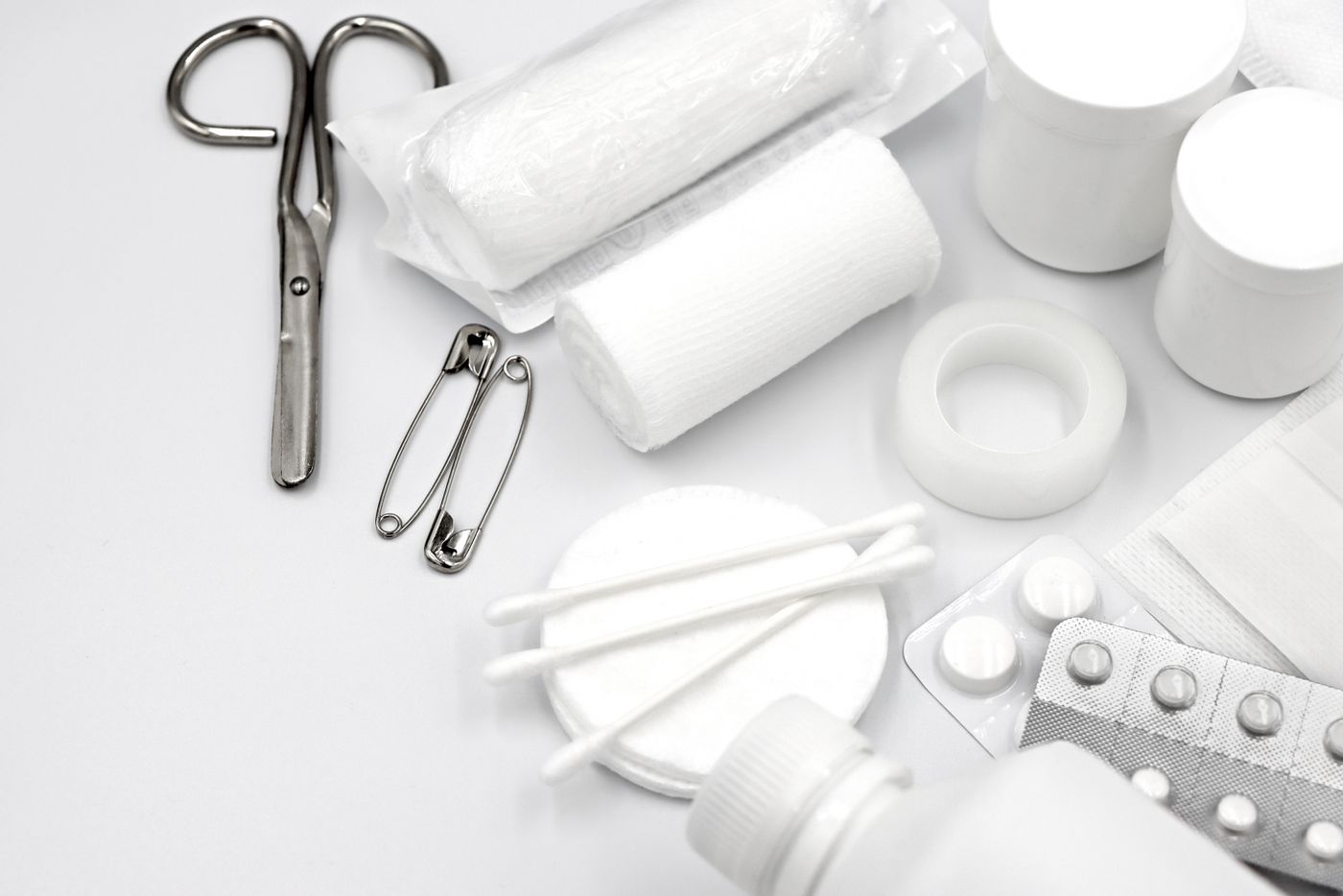
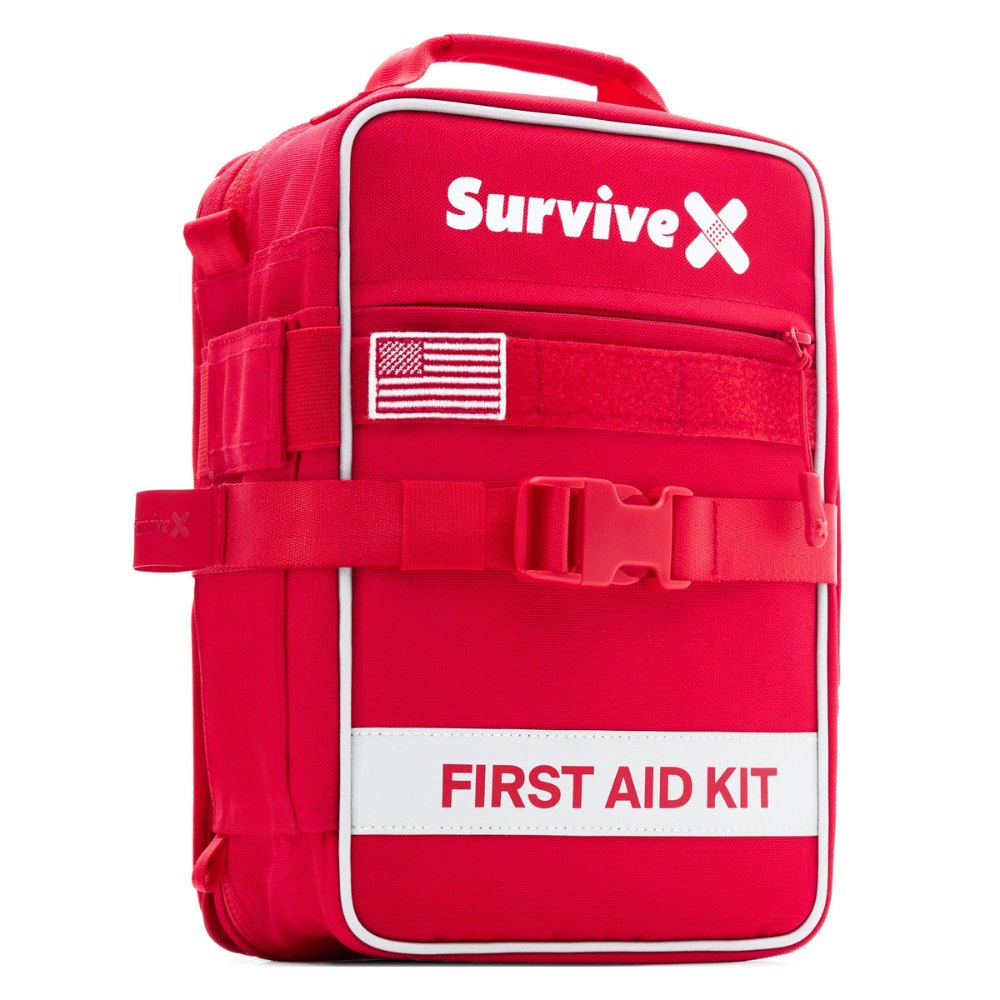
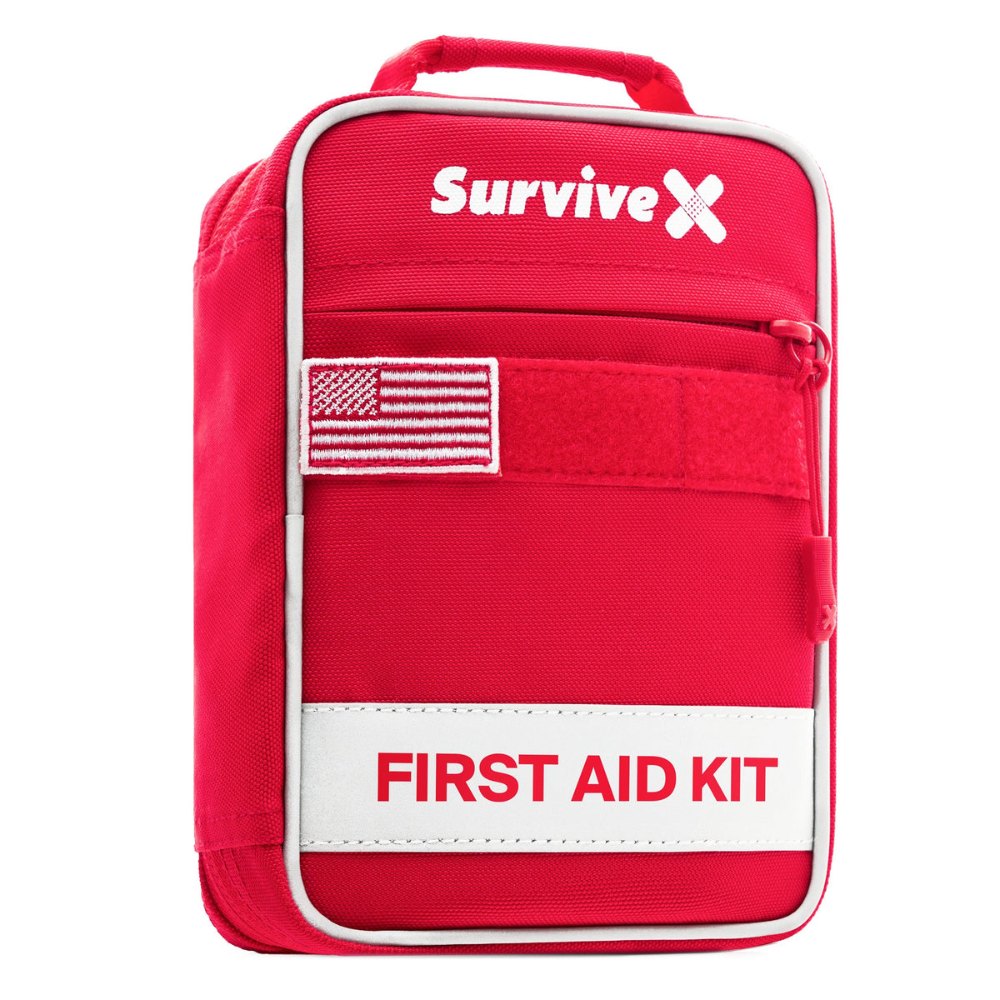
- Pack a go-bag for each person. CAL FIRE recommends a three-day supply of food and three gallons of water per person, a map with two evacuation routes, medications, a first aid kit, a flashlight and radio, copies of important documents, spare keys and cash.
- Prepare your home. Clear dry leaves from gutters and roofs, and keep a defensible space of cleared vegetation around the house as your local fire agency advises.
- Photograph or video your home's contents for insurance.
Set: when a warning is issued
- Put go-bags, medications, documents and pets in the car. Park facing out.
- Dress in long sleeves and long pants made of cotton or wool, sturdy shoes, and have an N95 mask ready for smoke.
- Close all windows and doors, but leave them unlocked. Remove flammable curtains if time allows.
- Shut off gas at the meter if officials advise it. Turn on outside lights so firefighters can see your home in smoke.
- Keep your phone charged and your radio tuned to local news.
Go: leave early
- Don't wait for a mandatory order if you feel unsafe, have mobility needs, or have large animals to move.
- Follow official routes. Shortcuts may be blocked or more dangerous.
- Drive with headlights on and windows closed. Watch for emergency vehicles.
- Let a contact outside the area know where you are going.
Where you'll sleep if you can't go home
Evacuations can last days. Local officials open evacuation centers, and the Red Cross lists open shelters, but many people stay with family, in hotels or in their vehicle. If you have pets or large animals, or you expect hotels to fill up, a rooftop tent turns a truck or SUV with a roof rack into a dry, raised place to sleep wherever you can safely park. Pick a site well away from the fire area, follow campground and local rules, and never sleep in a running vehicle. See rooftop tent options on our shelter gear page.
Smoke, even far from the fire
Wildfire smoke can travel hundreds of miles. On smoky days, stay indoors with windows closed, run a portable air purifier if you have one, and wear an N95 mask outdoors. People with heart or lung conditions, older adults and children are most at risk.
Frequently asked questions
What should I pack for a wildfire evacuation?
Water and food, medications, important documents, phone chargers, N95 masks for smoke, glasses, a change of clothes, cash, pet supplies and irreplaceable items. Keep it packed in a go-bag by the door during fire season.
When should I evacuate for a wildfire?
Leave as soon as officials say to, and earlier if you feel unsafe or have people who need extra time. Wildfires can move faster than expected, and roads can close.
What do Ready, Set, Go mean for wildfires?
Many communities use three levels: READY means prepare, SET means be ready to leave at a moment's notice, and GO means leave now.
How do I protect my lungs from wildfire smoke?
Stay indoors with windows closed, run an air purifier if you have one, and wear a well-fitting N95 respirator outdoors. Cloth and surgical masks do not filter fine smoke particles well.
Sources
This guide is general information and is not a substitute for advice from emergency officials, medical professionals or your local authorities. Some links on this site are affiliate links; see our disclosure.