Power outages are the most common emergency most households will face. U.S. electricity customers averaged about eleven hours without power in 2024, nearly double the previous decade's average, according to the U.S. Energy Information Administration. A little preparation turns a stressful night into a minor inconvenience.
Before the next outage
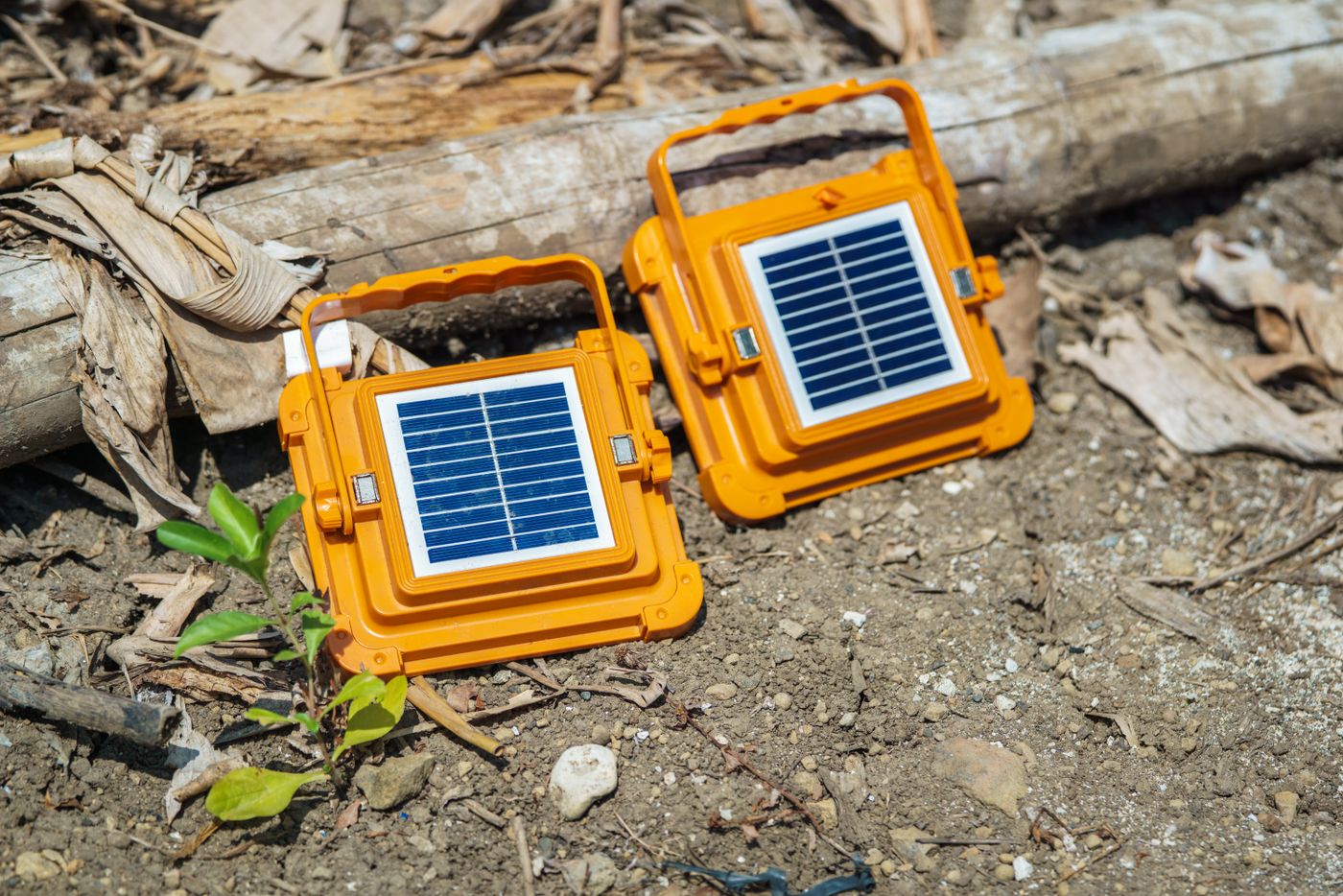
- Light for every person. A headlamp or flashlight per family member, plus a lantern for each main room. Battery or rechargeable lights are far safer than candles.
- A way to get news. A battery or hand-crank NOAA Weather Radio works when phones and internet are down.
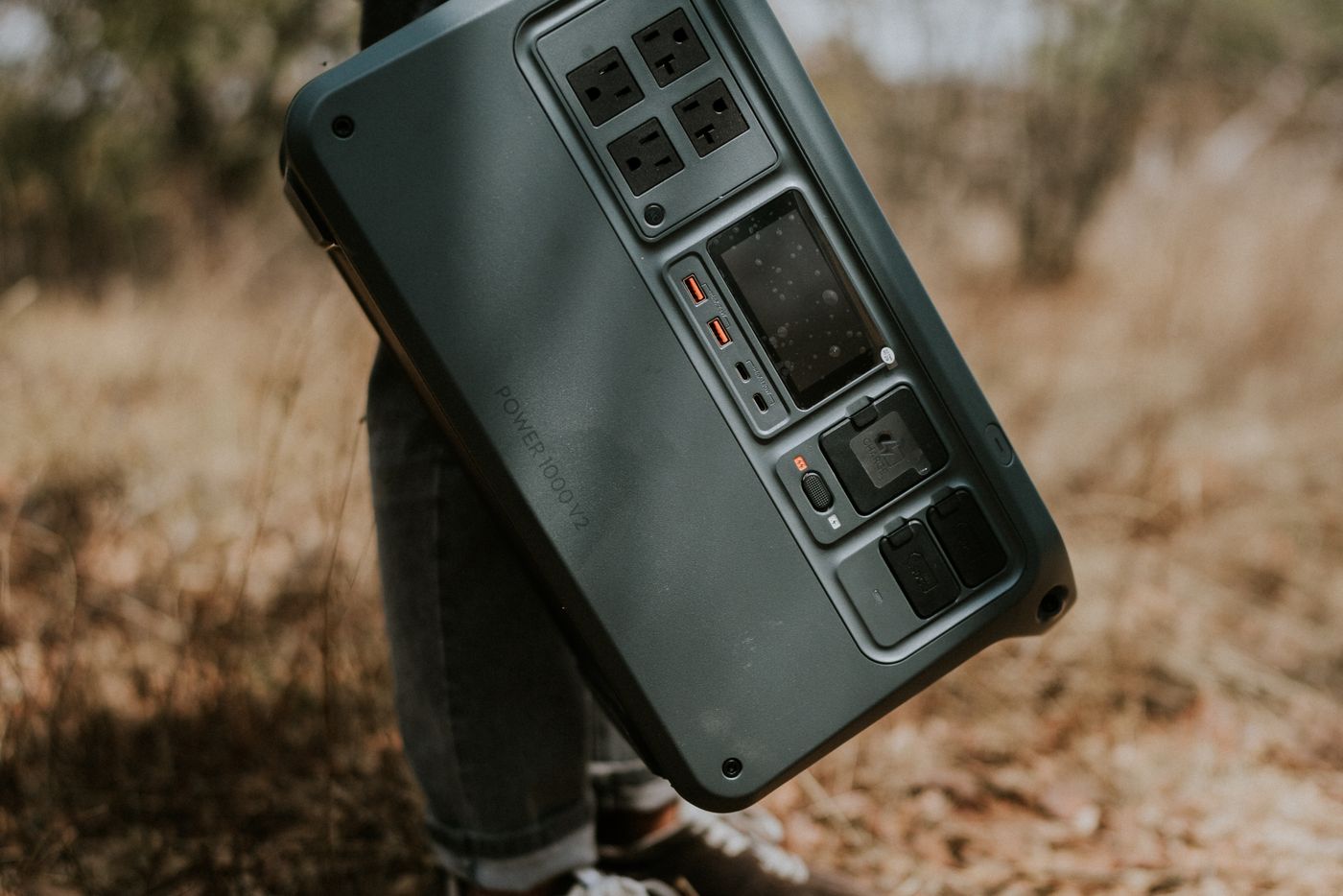
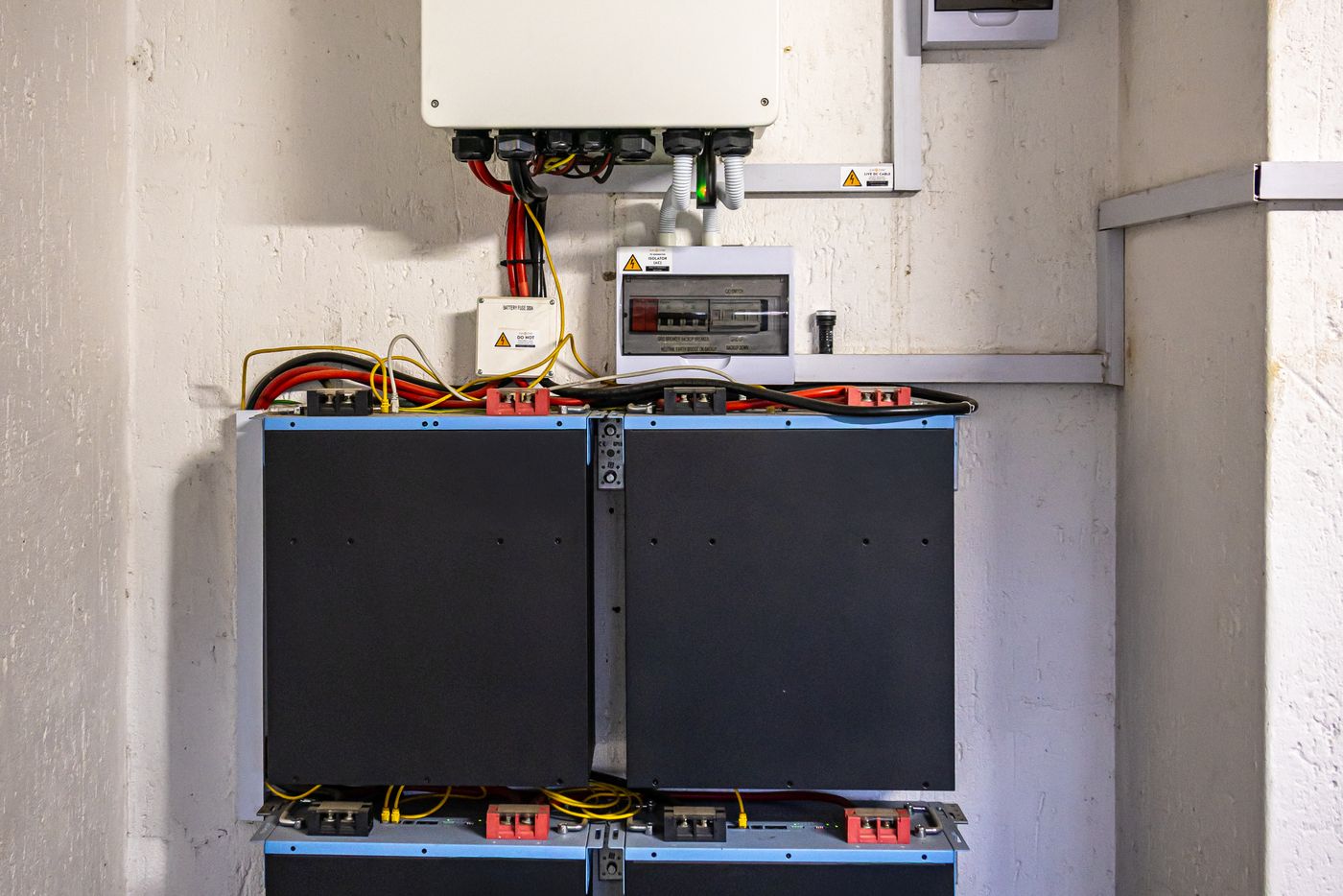
- Charged backup power. Phone power banks for short outages; a portable power station for the refrigerator, medical devices and Wi-Fi. If you're buying one, see our Black Friday power station deals.
- Appliance thermometers in the refrigerator and freezer so you know whether food stayed cold.
- Frozen water containers in the freezer. They help keep food cold and become drinking water as they thaw.
- Medical needs. If anyone depends on a CPAP, oxygen concentrator or refrigerated medication, plan backup power for it now. See our CPAP guide.
- Know your utility. Save the outage reporting number and sign up for text alerts. Many utilities offer medical priority registration.
- Learn how to open your garage door manually, and keep your car's fuel tank at least half full.
When the power goes out
- Check whether it is just your home (look at neighbors, check your breaker panel) and report it to your utility.
- Keep the refrigerator and freezer closed. The USDA says a closed refrigerator keeps food safe for about four hours; a full freezer holds about 48 hours, a half-full one about 24.
- Unplug sensitive electronics to protect them from a surge when power returns. Leave one lamp switched on so you'll know when it's back.
- Use your power station or power banks for essentials only: phones, lights, medical devices, then the refrigerator in short cycles.
- In hot weather, move to the coolest part of the home, drink water and check on older neighbors. In cold weather, close off unused rooms and layer clothing. See how to heat your home safely without power.
Food safety: when to throw it out
The USDA rule is simple: when in doubt, throw it out. Never taste food to decide whether it is safe.
- If the refrigerator was without power for more than four hours, discard perishable food such as meat, poultry, fish, eggs, soft cheeses, milk and leftovers.
- Frozen food that still has ice crystals or is at 40°F or below can be refrozen.
- If the outage will run long, move food to a cooler with ice, or buy dry or block ice for the freezer.
Your outage kit at a glance
| Item | Why it matters | Learn more |
|---|---|---|
| Headlamps and lanterns | Safe light without fire risk | Power & light |
| NOAA Weather Radio | News and alerts when cell and internet are down | Emergency radio guide |
| Power banks and a power station | Phones, Wi-Fi, medical devices, the refrigerator | Solar generators |
| Appliance thermometers | Know whether food stayed at 40°F or below | Food safety guide |
| Water and non-perishable food | Water systems and stores can be affected too | Water, food |
| Battery carbon monoxide alarms | Protect against CO from heaters and generators | Home safety |
| Warm layers or cooling supplies | Heat and cold are the biggest health risks | Heat, cooling |
If the outage lasts days
- Decide whether to stay or go. FEMA advises going to another location for heat or cooling if it's safe, and leaving if your home gets too hot or too cold or someone depends on powered medical equipment. Check with local officials about warming and cooling centers.
- Refrigerated medicines: FEMA guidance is to replace refrigerated medications if the power is out for a day or more, unless the label says otherwise. Call your doctor or pharmacist; if a life depends on the medicine, use it only until a new supply is available.
- Charge in rotation. Recharge power banks from a power station or a car (outdoors, engine running, never in a closed garage) and keep phones on low-power mode.
- Check on neighbors, especially older adults and anyone living alone.
After the power returns
- Check refrigerator and freezer thermometers before deciding what to keep.
- Plug appliances back in one at a time.
- Recharge every battery, power bank and power station so you're ready for the next one.
- Restock anything you used, and note what you wished you'd had.
Frequently asked questions
How long will food stay safe in the refrigerator without power?
About four hours if the door stays closed, according to the USDA. A full freezer holds its temperature for about 48 hours, and a half-full freezer about 24 hours.
What should I do first when the power goes out?
Check whether it's just your home (look at neighbors and your breaker panel), report it to your utility, keep the refrigerator and freezer closed, and unplug sensitive electronics. Leave one lamp switched on so you'll know when power returns.
Can I run a generator in my garage?
No. Never run a gas generator, grill, camp stove or charcoal indoors or in a garage, even with the door open. The CDC says to keep generators at least 20 feet from windows, doors and vents. Battery power stations are safe to use indoors.
What should I buy first to prepare for an outage?
A headlamp or flashlight for each person, a battery or hand-crank NOAA Weather Radio, phone power banks and appliance thermometers. If anyone relies on medical equipment, plan backup power for it next.
What do I do with refrigerated medicine in an outage?
FEMA advises replacing refrigerated medications if the power is out for a day or more, unless the label says otherwise. Call your doctor or pharmacist about a new supply.
Is it safe to use candles during a power outage?
Battery or rechargeable lights are much safer. Candles are a fire risk, especially when you're tired or there are children and pets in the home.
Sources
- U.S. EIA: Power interruptions in 2024
- USDA FSIS: Keep Your Food Safe During Emergencies
- CDC: Use a Generator Safely
- FEMA: How to Stay Safe When a Power Outage Threatens (V-1008)
- Ready Wisconsin: Power Outages
This guide is general information and is not a substitute for advice from emergency officials, medical professionals or your local authorities. Some links on this site are affiliate links; see our disclosure.