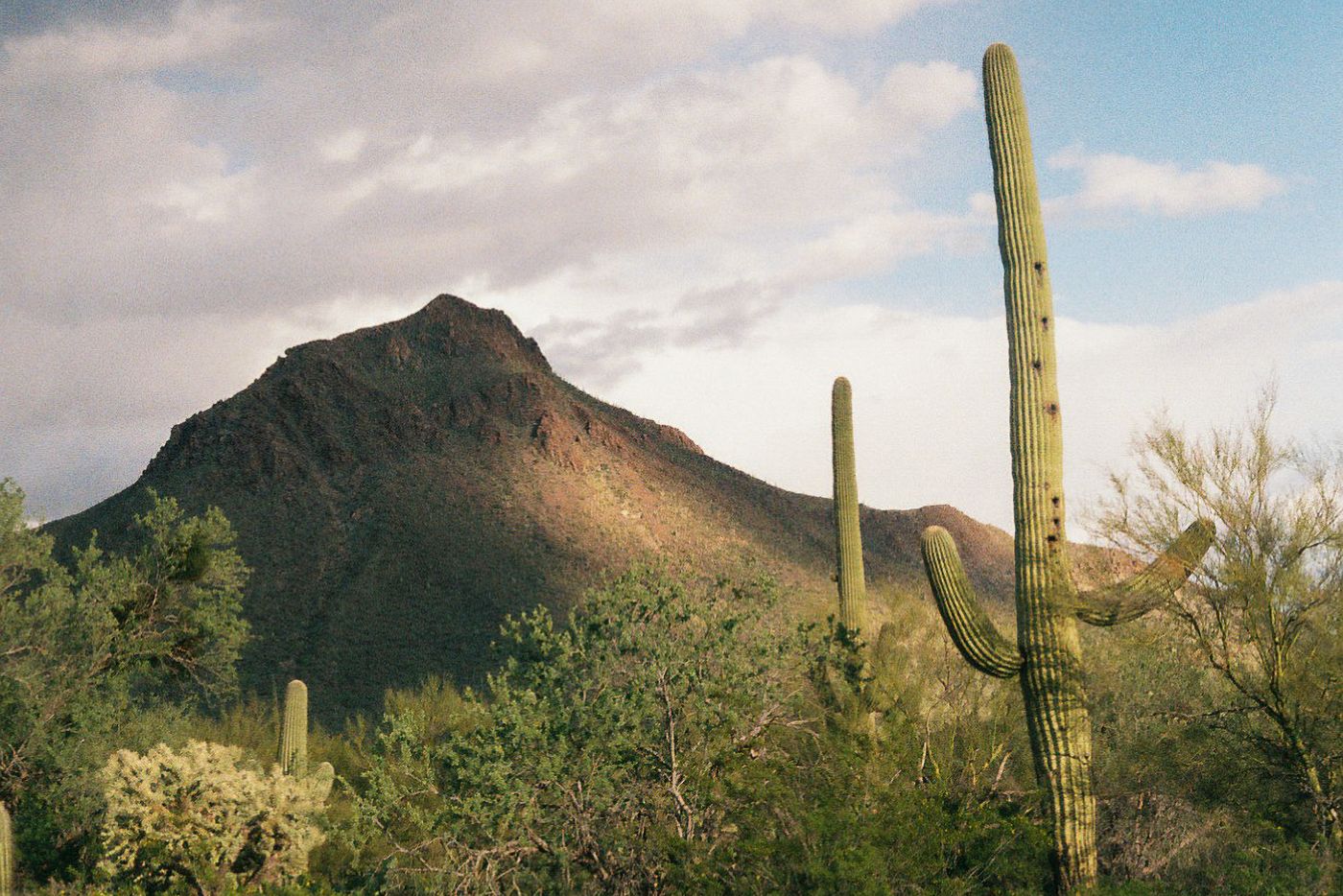
Scottsdale's emergencies aren't the ones most national checklists are written for. Here the risks are triple-digit heat, monsoon storms that bring flash floods and dust walls, wildfire where neighborhoods meet the desert, and the power outages that tie them all together. This guide pulls together what applies locally and where to get official help.
1. Know where official updates come from
- City of Scottsdale Emergency Preparedness (scottsdaleaz.gov/emergency) posts evacuation information, sandbag sites and outage links during an event.
- Arizona Emergency Information Network (ein.az.gov) is the state's official source for emergency updates and hazard information.
- Ready, Set, Go. Arizona uses three evacuation levels. READY means be aware and prepare; SET means be ready to leave at a moment's notice; GO means leave now. Look up your zone on the city's evacuation page.
- Keep a NOAA weather radio for when phones and power are down.
2. Extreme heat: plan for the A/C going out
In a Scottsdale summer, a power outage is a heat emergency. Maricopa County treats heat deaths as preventable, and most of the planning comes down to having somewhere cool to go and a way to stay cool at home.
- Find a cooling center. The regional Heat Relief Network runs May 1 to September 30. Search the live map at hrn.azmag.gov or dial 2-1-1 for help finding cooling, transportation or utility assistance. Scottsdale sites have included the Arabian Library and Civic Center Library; check the map for current hours.
- Keep air moving without the grid. Battery fans and cooling towels buy time; a portable power station can run fans, a phone and a small fridge through an outage.
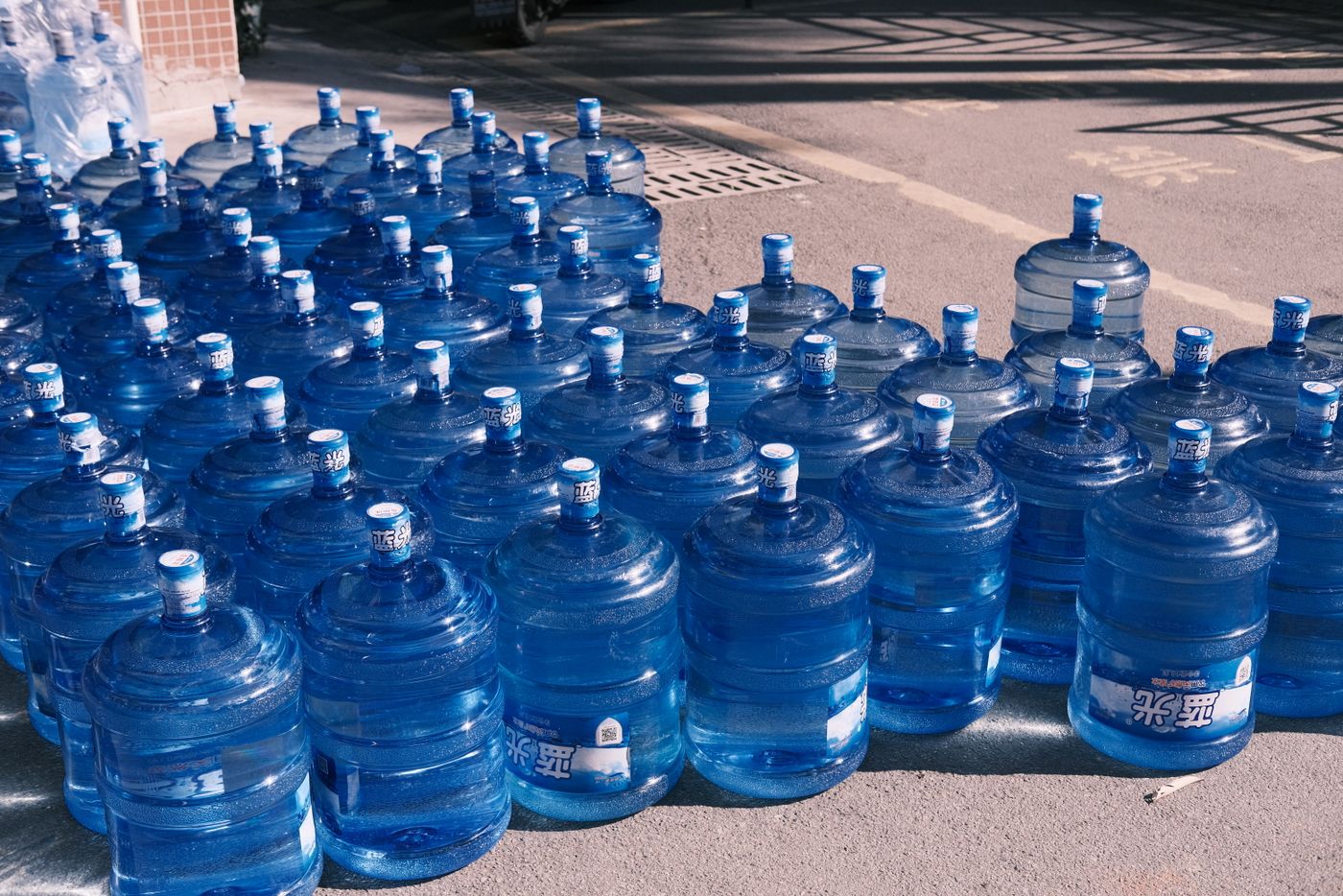
- Store more water than the national rule. One gallon per person per day is the minimum; in desert heat, plan on more, and remember pets. See how much water to store.
- Check on older neighbors and anyone with medical equipment. Never leave children or pets in a parked car.
3. Power outages: SRP or APS?
Most of Scottsdale is served by Salt River Project (SRP), but some addresses are on Arizona Public Service (APS). Check your bill so you know which outage map to use, and sign up for your utility's text alerts.
- SRP: 602-236-8811 · SRP outage map
- APS: 602-371-3680 or 855-688-2437 · APS outage center
- For downed lines, fire or injury, call 911.
Our power outage checklist and food safety guide cover the rest. If anyone at home uses a CPAP or other powered medical device, read CPAP backup power.
4. Monsoon storms and flash floods
Arizona's monsoon season runs from mid-June through September. Storms build fast, and northern Scottsdale's washes and low roads can flood within minutes.
- Never drive into a flooded wash or road. It takes very little moving water to float a car. Arizona's "Stupid Motorist Law" can bill drivers who ignore barricades for their own rescue.
- Free sandbags. The city provides sand and empty bags at self-service sites, first come, first served, typically at the Scottsdale Water Campus (88th St. & Union Hills Dr.) and the District 1 Police station (7601 E. McKellips Rd.). Supplies can run out during big storms, so fill them before the forecast turns. The city's emergency page lists current locations.
- Consider flood insurance. Standard homeowners policies usually don't cover flooding; see FloodSmart. Burn scars from wildfire raise flood risk downhill for years.
- A bathtub water bladder and a charged power bank are worth having before monsoon storms, which often knock out power.
5. Dust storms (haboobs): Pull Aside, Stay Alive
Dust storms can drop visibility to near zero on the 101, the 202 and I-17 in seconds. The Arizona Department of Transportation's advice:
- Don't drive into a dust storm. If you see one ahead, exit the highway if you can.
- If you're caught, check traffic, slow down and pull off as far to the right as possible.
- Turn off all lights, including flashers, set the parking brake and take your foot off the brake pedal, so other drivers don't follow your taillights into you.
- Stay buckled in and wait for it to pass. Check az511.gov or call 511 for road conditions.
Keep water, a dust mask, a phone charger and a flashlight in the car. Our car emergency kit picks are a good start.
6. Wildfire in north Scottsdale
Scottsdale has a long wildland-urban interface where homes border the McDowell Sonoran Preserve and natural desert open space, and north Scottsdale is considered high risk. Desert brush that greens up in spring dries into fuel by early summer.
- Create defensible space. Clear dry brush, invasive grasses and debris near your home. The city's wildfire prevention page covers the five steps, and Scottsdale Fire (480-312-8000) can tell you about home assessments.
- Pack a go-bag for each person and keep it by the door during fire season. See our wildfire evacuation checklist and 72-hour go-bag.
- Plan for smoke. N95 masks and a HEPA air purifier help on smoky days; see our home safety gear.
- Fireworks are prohibited throughout Scottsdale, and the preserve often closes on July 4 to reduce fire risk.
Scottsdale numbers to keep on paper
- Emergency: 911
- Heat relief, utility and social services help: 2-1-1
- City of Scottsdale main line: 480-312-3111
- Scottsdale Emergency Management: 480-312-1849
- Scottsdale Water: 480-312-5615
- SRP outages: 602-236-8811 · APS outages: 602-371-3680
- Road conditions: 511
Write these into your family emergency plan along with an out-of-state contact. Phone numbers change, so confirm them on the city's site once a year.
A Scottsdale home kit, in short
- Water: well over a gallon per person per day for at least three days, plus a filter.
- Cooling and power: battery fans, cooling towels, a power station or solar generator, power banks.
- Light and information: flashlights or lanterns, a NOAA weather radio.
- Air: N95 masks, a HEPA purifier for smoke and dust.
- Safety: a fire extinguisher, smoke and CO alarms, a first aid kit.
- Go-bags, copies of documents, medications and pet supplies.
Start with the full emergency kit checklist, then add the desert-specific items above.
For more detail, read our national guides to extreme heat and flash floods.
Frequently asked questions
Where do I get emergency updates in Scottsdale?
The City of Scottsdale Emergency Preparedness page (scottsdaleaz.gov/emergency) posts evacuation information and sandbag sites during an event, and the Arizona Emergency Information Network (ein.az.gov) is the state's official source for emergency updates.
What do Ready, Set, Go evacuation levels mean?
READY means be aware and prepare. SET means be ready to leave at a moment's notice. GO means leave now. Look up your evacuation zone on the city's evacuation page.
Where can I cool off if the power goes out in summer?
The regional Heat Relief Network runs cooling centers from May 1 to September 30. Search the live map at hrn.azmag.gov or dial 2-1-1 for help finding cooling, transportation or utility assistance.
How much water should Arizona households store?
One gallon per person per day is the national minimum. In desert heat, plan on more, and remember water for pets.
Sources
- City of Scottsdale: Emergency Preparedness
- City of Scottsdale: Prepare for monsoon storms and flood risk
- City of Scottsdale: Fire Department 2025 wildfire mitigation
- Maricopa County: 2026 Heat Relief Network
- Arizona Emergency Information Network: Monsoon Awareness
- ADOT: Dust storms, Pull Aside Stay Alive
- Ready.gov
This guide is general information and is not a substitute for advice from emergency officials, medical professionals or your local authorities. Some links on this site are affiliate links; see our disclosure.