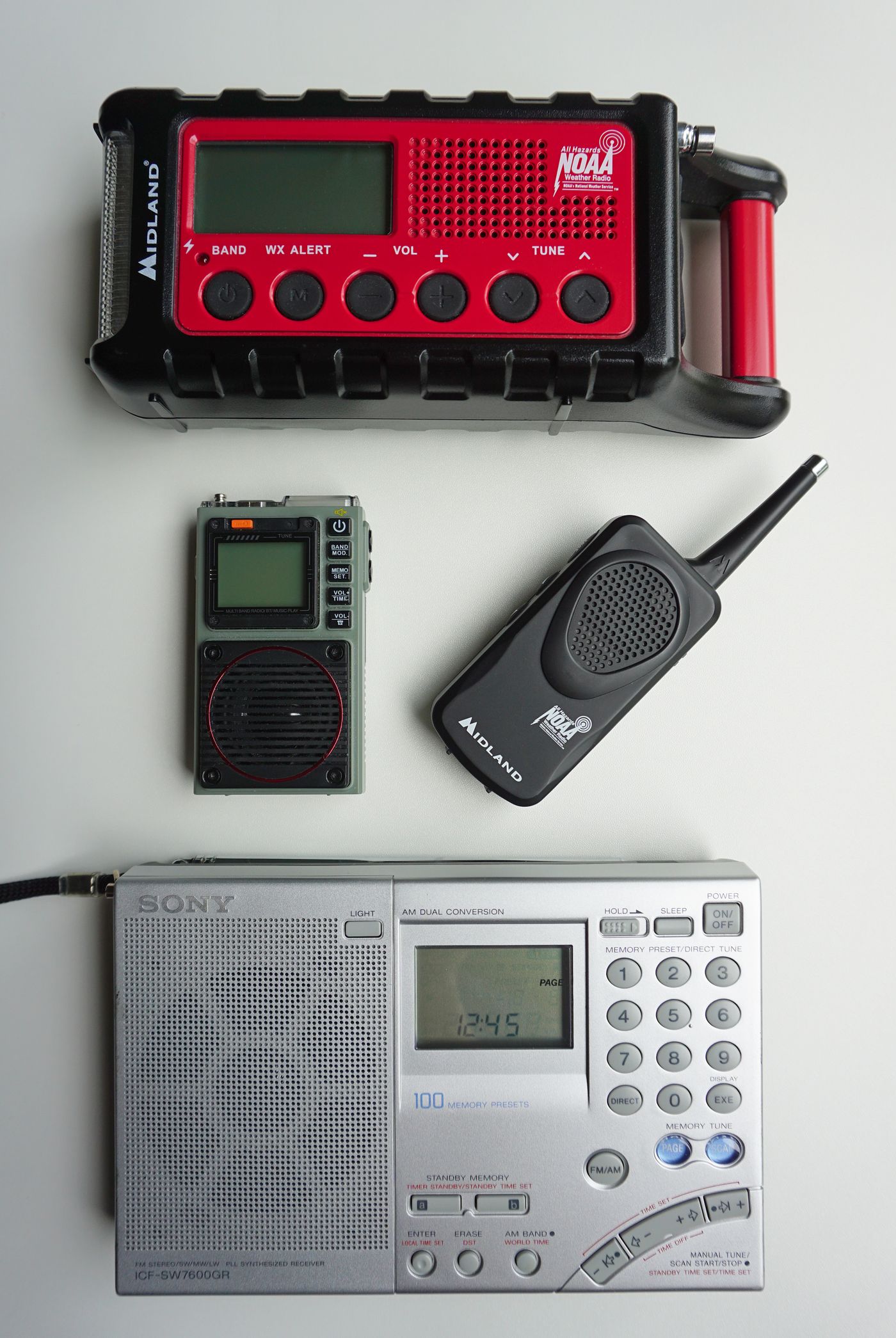
When the power is out and cell networks are overloaded, a battery or hand-crank radio may be your only source of official information. It is one of the least expensive and most important items in any emergency kit.
What radio station should I listen to in an emergency?
Tune to NOAA Weather Radio first. It broadcasts official National Weather Service warnings around the clock on one of seven weather-band frequencies: 162.400, 162.425, 162.450, 162.475, 162.500, 162.525 or 162.550 MHz. Each transmitter reaches about 40 miles, so the right channel depends on where you live. Find yours on the National Weather Service's county coverage listing, which also gives the SAME code for your county.
On a regular AM/FM radio, listen to your area's main news station. In each area, one or more stations are designated as the local primary source for the Emergency Alert System, and local officials use them to relay warnings and instructions. Your state's emergency management office or EAS plan lists them.
The best emergency radio covers both: a weather band for NOAA broadcasts plus AM/FM for local news.
What NOAA Weather Radio is
NOAA Weather Radio All Hazards is a nationwide network of radio stations operated by the National Weather Service. It broadcasts continuous weather information, warnings and other emergency alerts directly from your nearest NWS office, 24 hours a day. The broadcasts use seven special VHF frequencies between 162.400 and 162.550 MHz, so a regular AM/FM radio can't receive them. You need a radio with a weather band.
SAME alerts: only the warnings that matter to you
Radios with SAME (Specific Area Message Encoding) can be programmed with your county's six-digit code, so they sound an alert only for warnings affecting your area. Without it, a radio may sound for every alert across the transmitter's wide coverage area. Find your code on the National Weather Service website or by calling 1-888-NWR-SAME (1-888-697-7263), then follow your radio's manual.
Features to look for
- NOAA weather band, ideally with alert capability.
- Multiple power sources: hand crank, solar panel, rechargeable battery and standard batteries.
- A USB port to give a phone emergency charge.
- A built-in flashlight and SOS beacon.
- AM/FM for local news coverage.
- The NOAA Weather Radio All Hazards or Public Alert logo, which the NWS recommends looking for.
Browse options in our radios collection.
Keeping in touch with family
- Agree on an out-of-area contact everyone can text or call. Long-distance calls and texts often go through when local lines are busy.
- Text instead of calling during emergencies; texts use less network capacity.
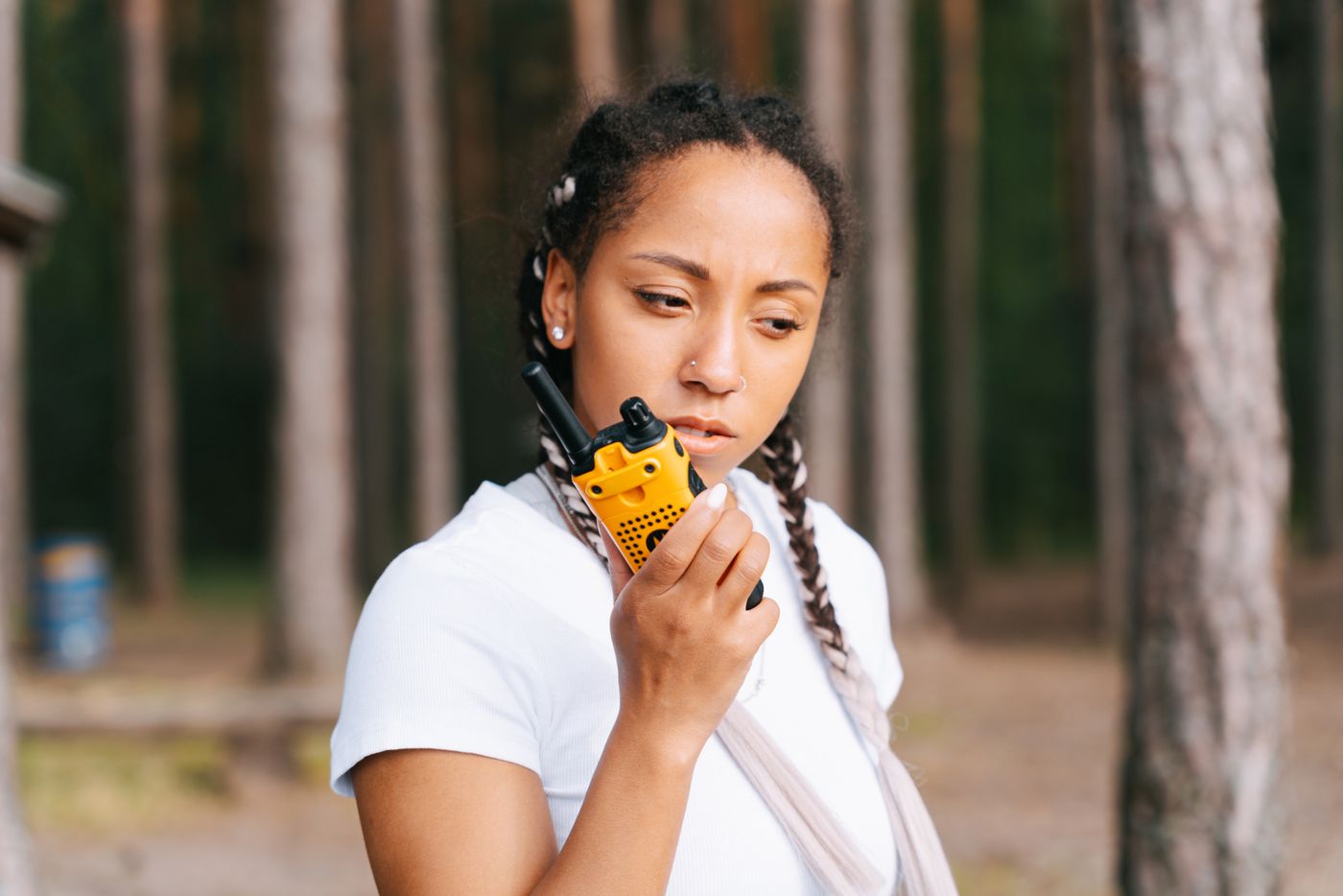
- Two-way radios (FRS/GMRS) let family members communicate over short distances without cell service.
- Write important numbers on paper in case your phone dies.
Frequently asked questions
What radio should I have for emergencies?
A battery or hand-crank radio that receives NOAA Weather Radio as well as AM/FM. Look for the NOAA Weather Radio All Hazards or Public Alert logo, which the National Weather Service recommends, plus SAME alerts and a USB port to charge a phone.
What is NOAA Weather Radio?
A nationwide network of National Weather Service stations that broadcast weather and hazard warnings around the clock. Radios receive it on seven VHF frequencies between 162.400 and 162.550 MHz, so it keeps working when cell networks and the internet are down.
What are SAME alerts?
SAME (Specific Area Message Encoding) lets you program your county code into the radio so it only sounds an alarm for warnings that affect your area, instead of every alert across the broadcast region.
What station should I listen to during an emergency?
Tune to your local NOAA Weather Radio frequency for warnings, and to local AM/FM news stations for evacuation orders, shelters and road closures. Note both on paper and keep the note with the radio.
Sources
This guide is general information and is not a substitute for advice from emergency officials, medical professionals or your local authorities. Some links on this site are affiliate links; see our disclosure.