Water is the first thing to get right. A person can go weeks without food but only days without water, and after a storm or earthquake the tap may stop running or become unsafe. The good news: storing enough is simple and inexpensive.
The one-gallon rule
Ready.gov advises storing at least one gallon of water per person per day for drinking and sanitation. A normally active person needs about three quarters of a gallon of fluid a day; the rest covers cooking and basic hygiene. The CDC recommends a three-day supply at minimum and a two-week supply if possible.
| Household | 3 days | 2 weeks |
|---|---|---|
| 1 person | 3 gallons | 14 gallons |
| 2 people | 6 gallons | 28 gallons |
| 4 people | 12 gallons | 56 gallons |
| 6 people | 18 gallons | 84 gallons |
Store more for hot climates, children, nursing mothers, anyone who is ill, and pets. The CDC also advises never rationing water if supplies run low: drink what you need today and look for more tomorrow.
Storing it
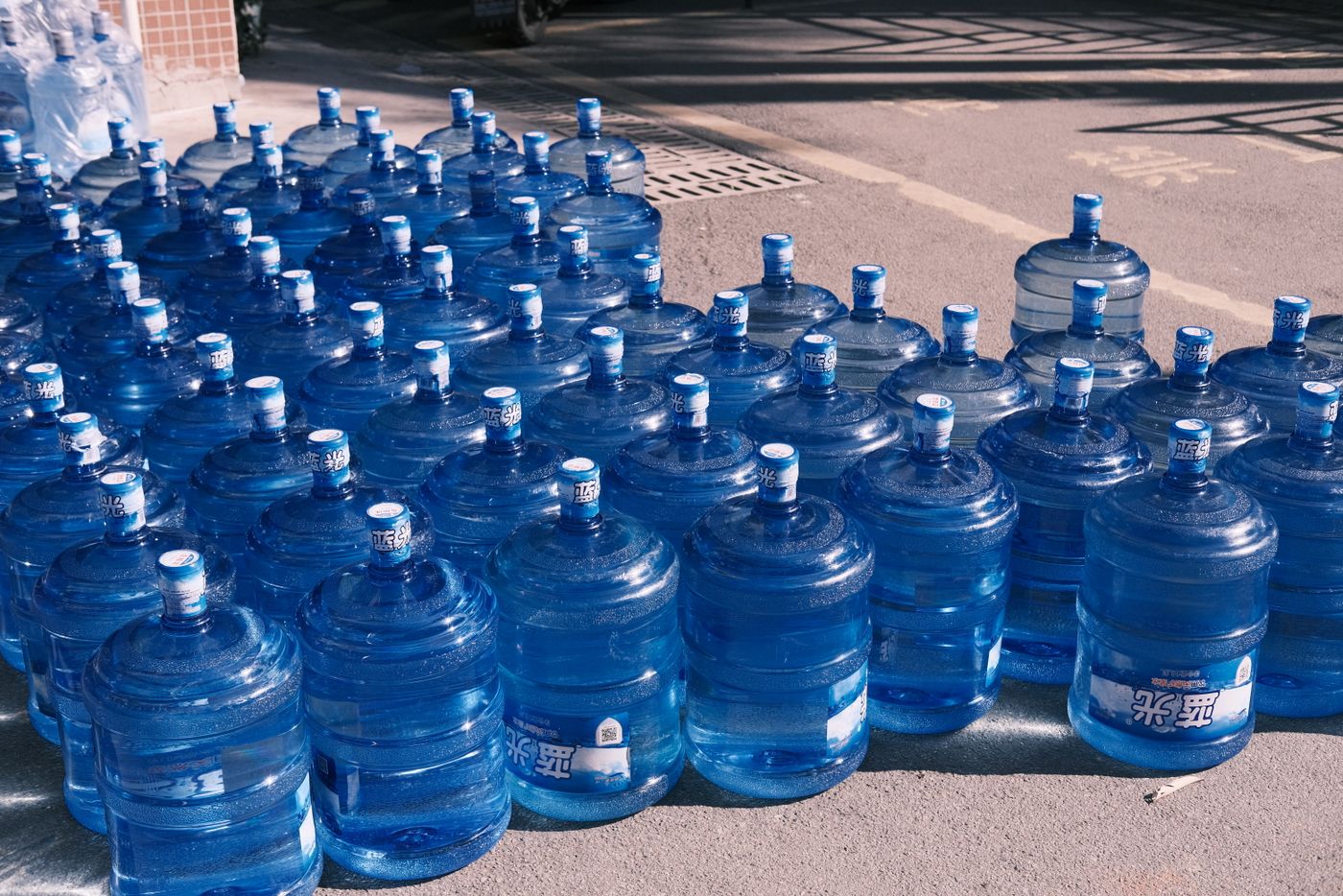
- Store-bought bottled water is the easiest option. Keep it sealed in its original container and replace it by the date on the label.
- Filling your own containers works too. Use food-grade containers made for water, never containers that held chemicals, and replace the water every six months.
- Keep water in a cool, dark place away from gasoline, pesticides and cleaning products.
- Stackable water bricks fit under beds and in closets, which helps in apartments.
When stored water runs out
Plan a second line of defense. The CDC lists three main ways to make questionable water safe:
Boil it
Boiling is the most reliable way to kill germs. Let cloudy water settle or strain it through a clean cloth, then bring it to a rolling boil for one minute (three minutes above 6,500 feet). Let it cool and store it in clean, covered containers.
Disinfect with bleach
If you can't boil, use plain, unscented household bleach. The CDC's guidance is 8 drops (a little less than 1/8 teaspoon) of 5% to 9% bleach per gallon of clear water, or 16 drops if the water is cloudy. Mix well, then wait at least 30 minutes before using it. Never use scented or "splash-less" bleach.
Filter it
A gravity filter at home and a straw filter in each go-bag (compare options in our water filter guide) let you draw water from rain barrels, lakes or streams. Filters differ widely in what they remove: the CDC notes that most portable filters do not remove viruses, and many don't remove bacteria. Choose one labeled for what you need, follow the maker's instructions, and boil or disinfect filtered water when in doubt.
No home method makes water safe if it is contaminated with fuel or chemicals. In that case, use only stored or bottled water and follow your local health department.
Hidden water in your home
In an emergency you also have the water in your water heater tank, ice cubes, and the liquid in canned fruits and vegetables. Before a forecast storm, fill clean bathtubs and pots for washing and flushing.
Frequently asked questions
How much water should I store per person?
Ready.gov advises at least one gallon per person per day for drinking and sanitation. The CDC recommends a three-day supply at minimum and a two-week supply if possible, so a family of four needs 12 gallons for three days and 56 gallons for two weeks.
How long can you store tap water?
Replace water you store yourself every six months. Use food-grade containers made for water, and keep them in a cool, dark place away from chemicals and fuel.
Does bottled water expire?
Keep store-bought bottled water sealed in its original container and replace it by the date on the label.
How do I make water safe to drink in an emergency?
Boiling is the most reliable method: bring clear water to a rolling boil for one minute, or three minutes above 6,500 feet. If you cannot boil, the CDC explains how to disinfect with plain unscented household bleach, and a certified water filter is a good backup.
Sources
- Ready.gov: Water
- CDC: How to Create an Emergency Water Supply
- CDC: How to Make Water Safe in an Emergency
This guide is general information and is not a substitute for advice from emergency officials, medical professionals or your local authorities. Some links on this site are affiliate links; see our disclosure.