When a winter storm takes out the power, most furnaces stop too, even gas ones, because their fans and igniters need electricity. Carbon monoxide from unsafe heating is one of the biggest dangers of a winter outage, so the goal is simple: stay warm with the safest heat source you have, and never trade warmth for fumes.
1. Make one warm room
You don't need to heat the whole house. If an outage lasts more than a couple of hours, Utah's Be Ready program suggests isolating one or two rooms and making them your warm rooms.
- Pick an interior room with few windows, ideally on the sunny side of the house during the day.
- Close the doors, roll towels against the gaps, and hang blankets over windows and doorways.
- Keep everyone in that room. Body heat adds up, especially with the door kept closed.
- Set up a tent or a blanket fort inside the room to trap even more warmth, especially for sleeping.
2. Warm people before you warm air
- Wear loose layers, a hat, gloves and warm socks. Wool and synthetics hold heat when damp; cotton doesn't.
- Use sleeping bags and extra blankets. The CDC lists blankets, sleeping bags and winter coats as a heat source to have ready.
- Eat and drink regularly. Avoid alcohol, which makes you lose body heat faster.
- Heated clothing (a battery heated vest or jacket) keeps one person warm for hours with no fuel or fumes, and recharges from a power bank.
- Infants should never sleep in a cold room. Keep babies in the warm room, in warm layers.
3. Use battery power for heat that's safe indoors
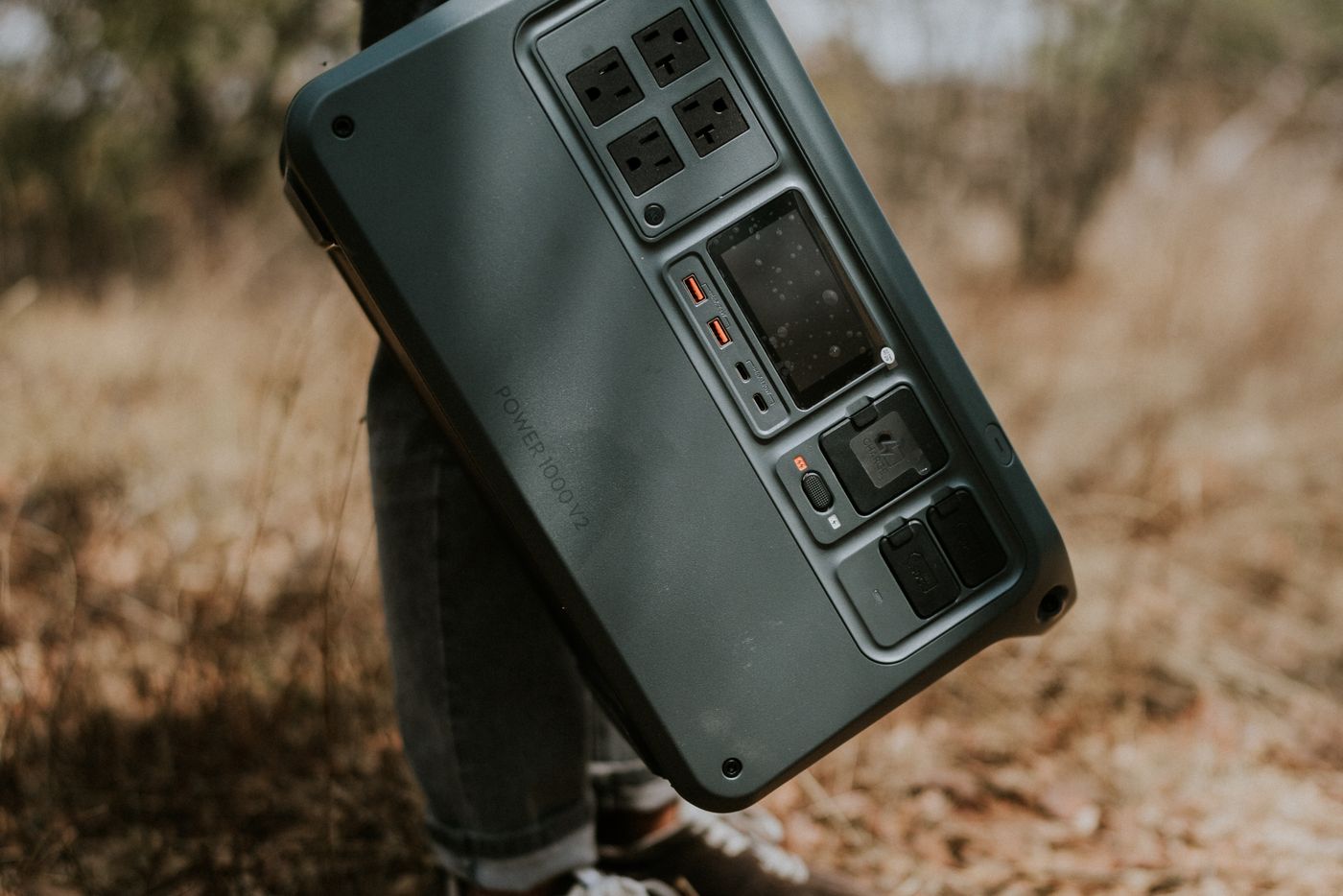
A portable power station produces no exhaust, so it can sit right beside you. It can't run a space heater for long, but it can run an electric blanket or heated mattress pad through the night, keep phones and a radio charged, and in many homes power a gas furnace's blower and igniter long enough to take the chill off. In very cold places, note that many lithium batteries won't charge below freezing; sodium-ion models like the BLUETTI Pioneer Na are built to charge and run in sub-freezing temperatures.
4. Fuel-burning heaters: only the right kind, only the right way
An indoor propane heater can heat a room with no power at all, but only models certified for indoor use are safe inside, and they must have a low-oxygen (oxygen depletion) sensor and tip-over shutoff.
- Follow the manufacturer's ventilation instructions exactly. Many require a window cracked open.
- Never leave a fuel-burning heater running while you sleep or when no one is in the room.
- Keep heaters at least 3 feet from bedding, curtains and furniture.
- Use a fireplace or wood stove only if the chimney has been inspected and is up to code.
5. What never to use for heat
During a power outage, the CDC says never to use generators, grills, or other gasoline-, propane- or charcoal-burning devices inside your home, garage or carport, or near doors, windows or vents. They produce carbon monoxide, which the CDC says kills more than 500 Americans each year.
- Never heat your home with a gas oven or stovetop.
- Never run a generator indoors or in a garage, even with the door open. Keep it outside, more than 20 feet from windows, doors and vents. See our generator safety guide.
- Never use a camp stove, charcoal grill or outdoor-only propane heater inside a house, tent or camper.
- Never warm up a car in an attached garage.
Install battery-powered carbon monoxide alarms near every sleeping area before winter. Headache, dizziness, weakness, nausea and confusion can all be signs of CO poisoning. If an alarm sounds or anyone feels sick, get everyone outside to fresh air and call 911.
6. Keep pipes from freezing
The American Red Cross recommends:
- Let cold water drip from faucets served by exposed pipes. Even a trickle helps prevent freezing.
- Open kitchen and bathroom cabinet doors so warmer air reaches the plumbing, and move cleaners out of children's reach.
- Keep garage doors closed if water lines run through the garage.
- Know where your main water shut-off valve is in case a pipe bursts.
7. Know when to leave
If indoor temperatures keep dropping, someone in the house is very young, old or has a medical condition, or you can't heat safely, go to a warming center, a friend's or family member's home, or a hotel. Local emergency management and 2-1-1 can tell you where warming centers are open. Watch for frostbite and hypothermia; our winter storm guide lists the warning signs, and a body temperature below 95°F is an emergency.
A short winter outage kit
- Sleeping bags, wool blankets and emergency blankets
- Hats, gloves, wool socks, and a heated vest if you have one
- A power station and an electric blanket
- An indoor-rated propane heater with spare cylinders, if you choose fuel heat
- Battery carbon monoxide alarms
- Flashlights, a weather radio, and food that doesn't need cooking
Pair this with our power outage checklist for food, water and medical devices.
Frequently asked questions
How do I heat my house without electricity?
Close off one interior room, seal drafts with towels and blankets, and keep everyone in it. Dress in layers, use sleeping bags, and run an electric blanket from a battery power station. Only use a fuel-burning heater that is rated for indoor use, with a working carbon monoxide alarm.
Can I use a propane heater indoors?
Only one that the manufacturer specifically rates for indoor use, used exactly as the instructions say, with ventilation and a battery-operated carbon monoxide alarm nearby. Patio and outdoor propane heaters must never be used inside.
How long will my house stay warm without power?
It depends on insulation, outdoor temperature and the size of the home. Keeping doors closed and gathering in one room slows heat loss considerably, so start sealing a warm room early rather than waiting for the house to get cold.
Will a gas furnace work in a power outage?
Usually not. Most gas furnaces need electricity for the blower, igniter and controls. In many homes a portable power station or generator connected by an electrician can run the furnace, but check your furnace manual and get professional advice first.
Sources
- CDC: Avoiding Carbon Monoxide Poisoning
- CDC: Carbon Monoxide Poisoning Basics
- CDC: Safety Guidelines During and After a Winter Storm
- Be Ready Utah: Winter cold, warm and safe
- American Red Cross: Winter weather safety and frozen pipes
- CPSC: Winter storm CO and fire safety
- Ready.gov: Winter Weather
This guide is general information and is not a substitute for advice from emergency officials, medical professionals or your local authorities. Some links on this site are affiliate links; see our disclosure.