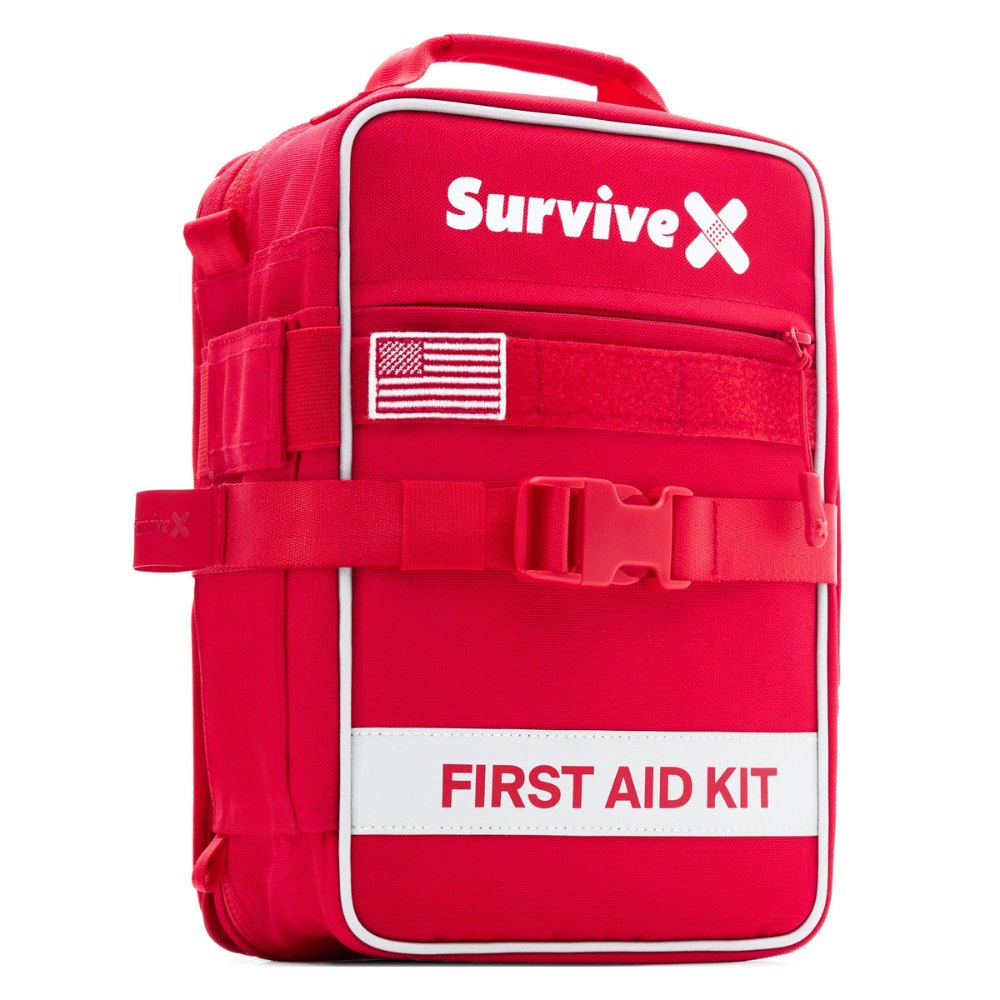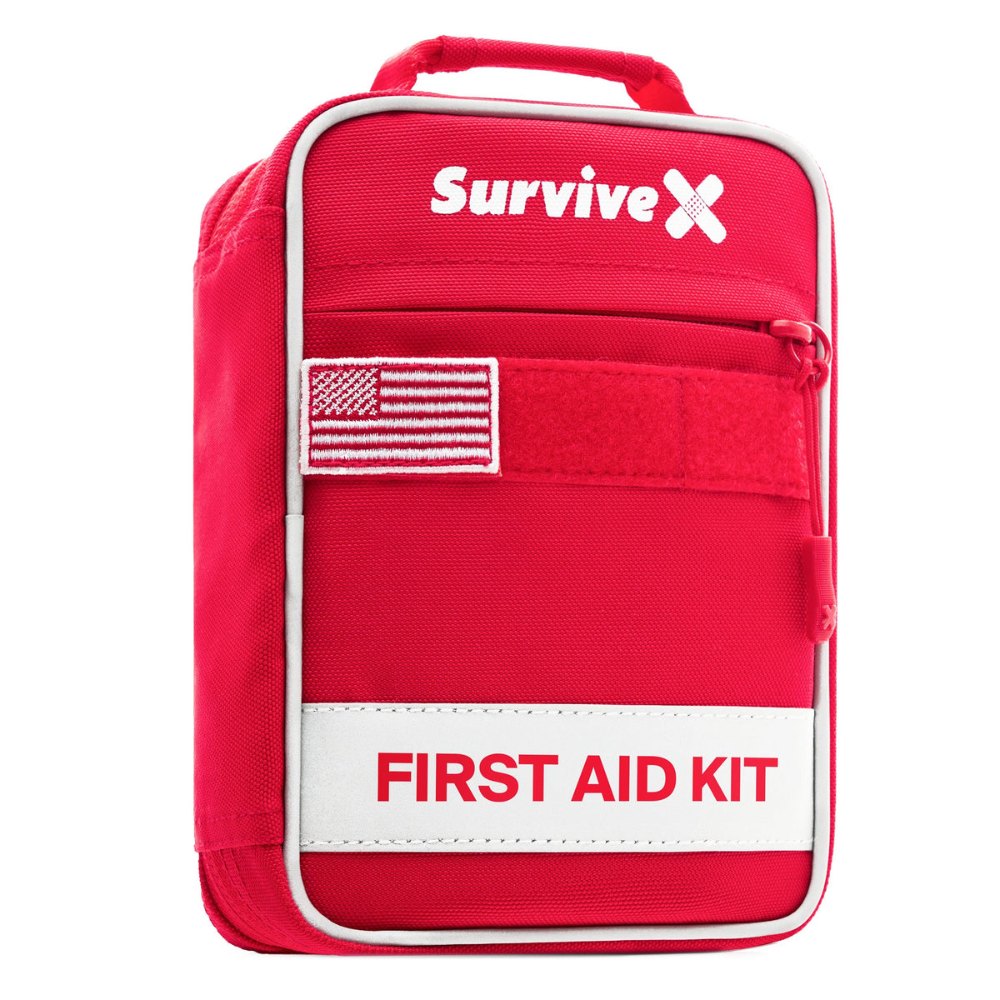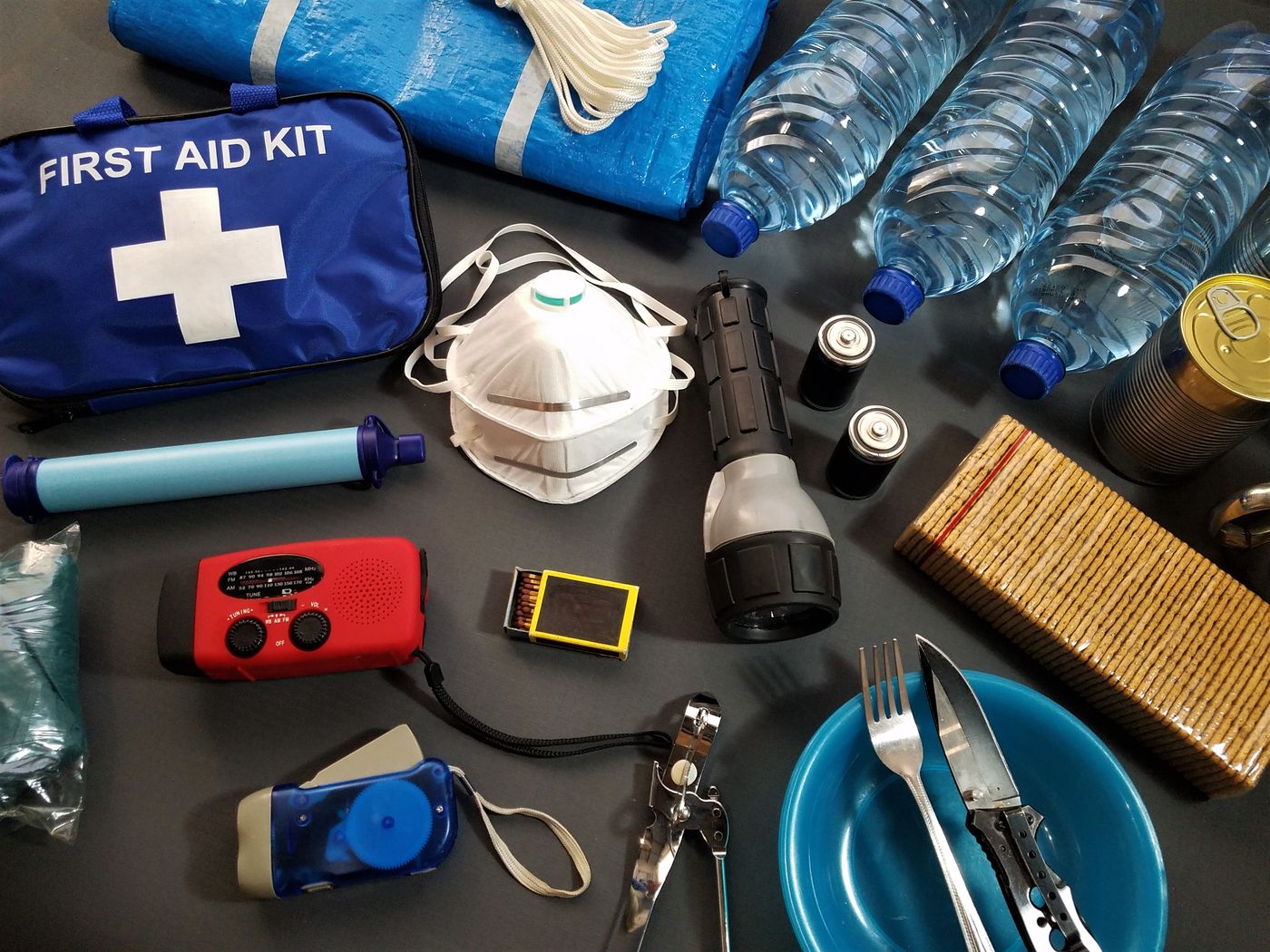
A well-stocked first aid kit handles everyday cuts and burns, and becomes essential when emergency services are stretched after a disaster. You can buy one ready-made and add to it, or build your own.
The basics
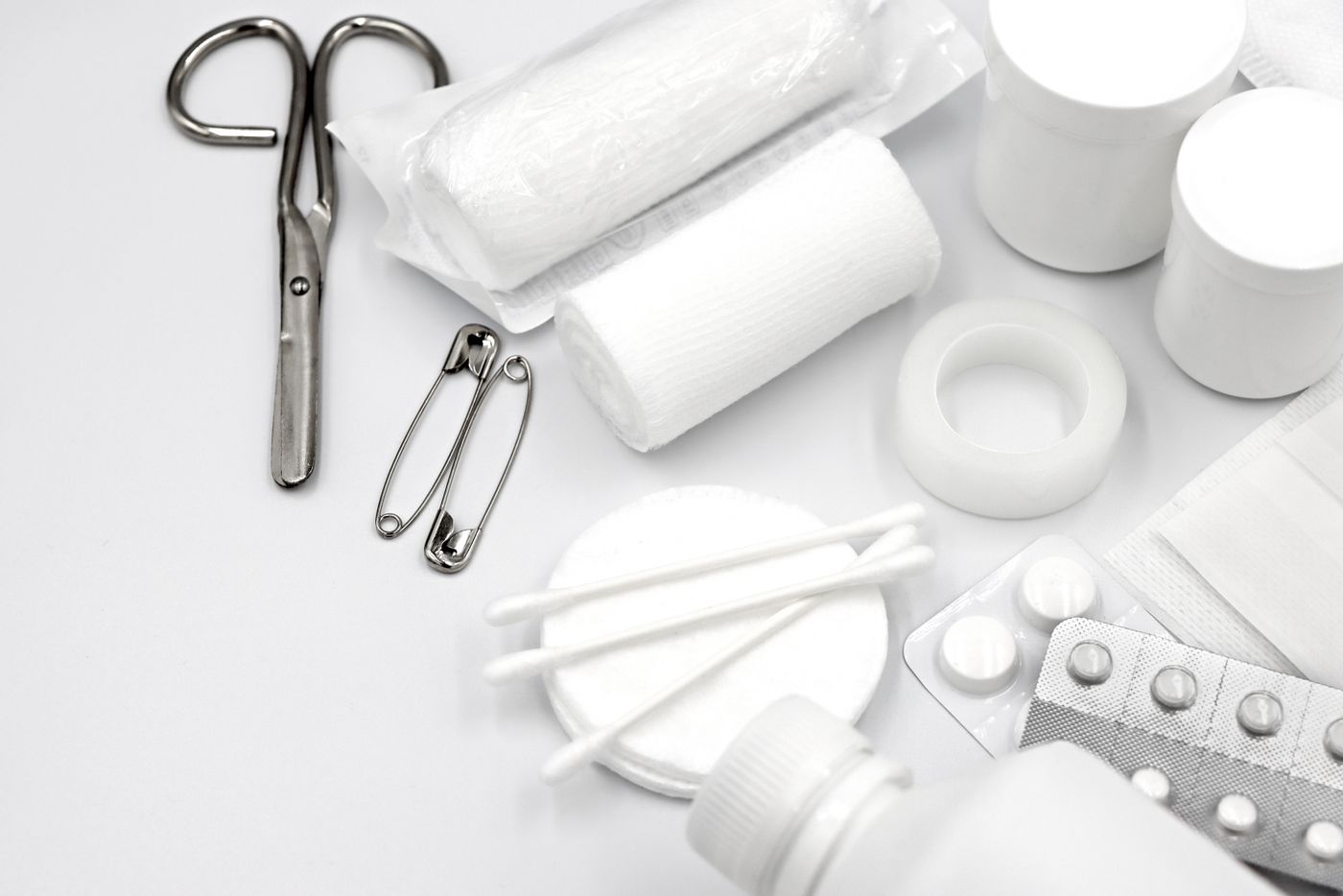
- Adhesive bandages in several sizes
- Sterile gauze pads and roller gauze
- Adhesive tape and elastic (compression) bandages
- Antiseptic wipes and antibiotic ointment
- Disposable gloves
- Scissors and tweezers
- Instant cold packs
- A digital thermometer
- Pain and fever relievers your family uses, and antihistamines
- Hydrocortisone cream and burn gel
- An emergency (Mylar) blanket
- A first aid guide or manual
Add for disasters
- At least a week of every prescription medication
- Copies of prescriptions and a list of medications and allergies
- Extra glasses or contacts and supplies
- N95 masks for smoke and dust
- A tourniquet and hemostatic gauze for severe bleeding, along with training in how to use them
- Oral rehydration salts
- Hand sanitizer and soap
Where to keep kits
Keep a full kit at home in a known spot, a compact one in each car, and a small one in every go-bag. Check them twice a year and replace anything expired or used.
Browse first aid kits in our collection.
Frequently asked questions
What should be in a home first aid kit?
Adhesive bandages in several sizes, sterile gauze pads and roller bandages, adhesive tape, antiseptic wipes, antibiotic ointment, a CPR face shield, gloves, scissors, tweezers, an instant cold pack, a thermometer, pain relievers and any personal medications. The American Red Cross publishes a full checklist.
How often should I check my first aid kit?
Check it at least once a year and after you use it. Replace anything that is expired, used up or damaged, and update personal medications when prescriptions change.
Should I build or buy a first aid kit?
Either works. A ready-made kit is a fast, organized starting point; most people then add personal medications, extra gauze and tape, and items specific to their household, such as children's medicine or pet supplies.
Where should I keep a first aid kit?
Keep one at home in a place everyone knows, one in each car, and a small one in your go-bag. Store them somewhere cool and dry, out of reach of young children.
Sources
This guide is general information and is not a substitute for advice from emergency officials, medical professionals or your local authorities. Some links on this site are affiliate links; see our disclosure.