You don't need a basement full of buckets to be prepared. An emergency food supply is best built in layers, starting with what you already eat and adding long-life foods over time.
Layer one: three days
Ready.gov's starting point is a three-day supply of non-perishable food. Choose foods your family already eats that need no refrigeration and little or no cooking:
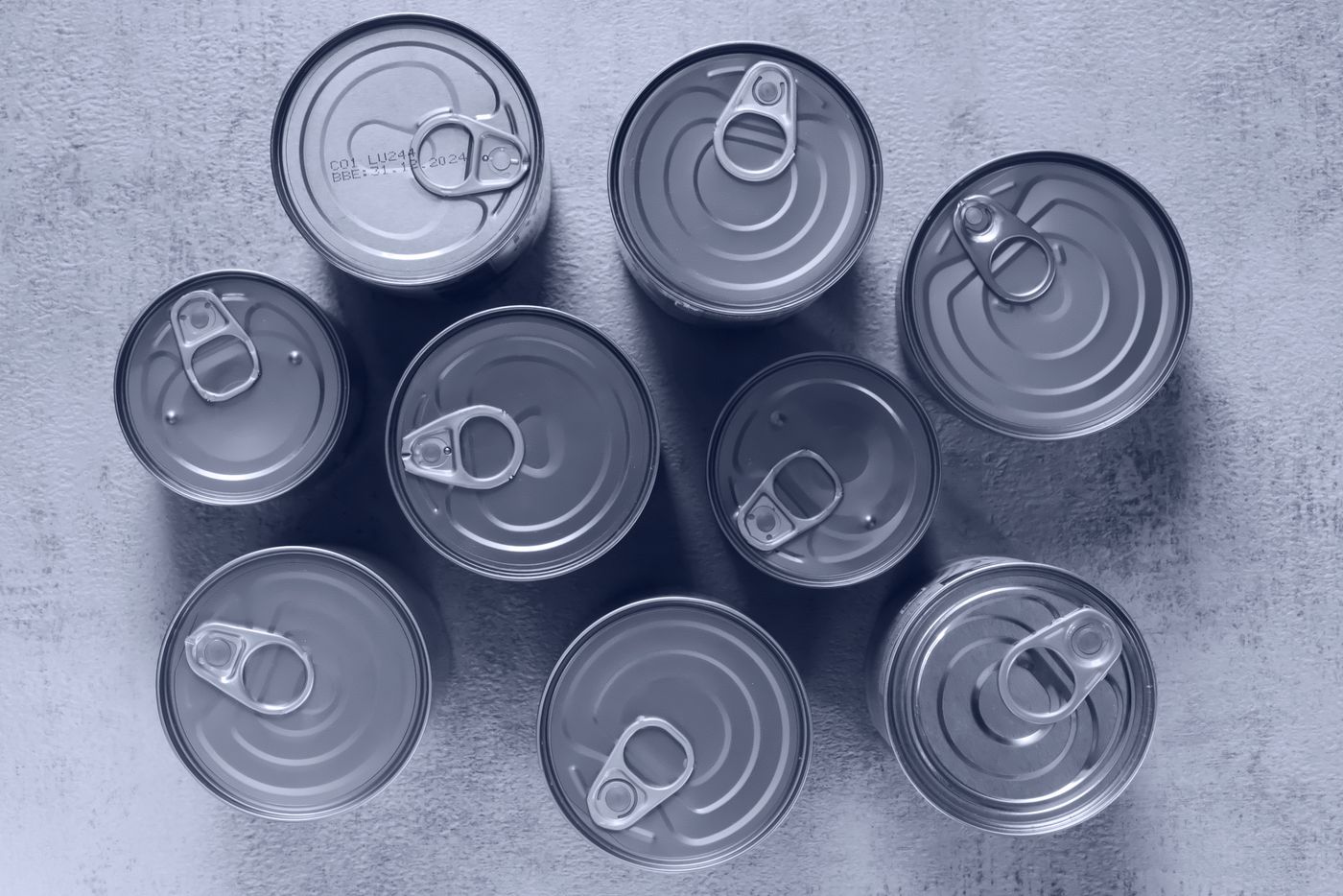
- Ready-to-eat canned meats, fish, beans, fruits and vegetables
- Peanut butter, crackers, granola and protein bars
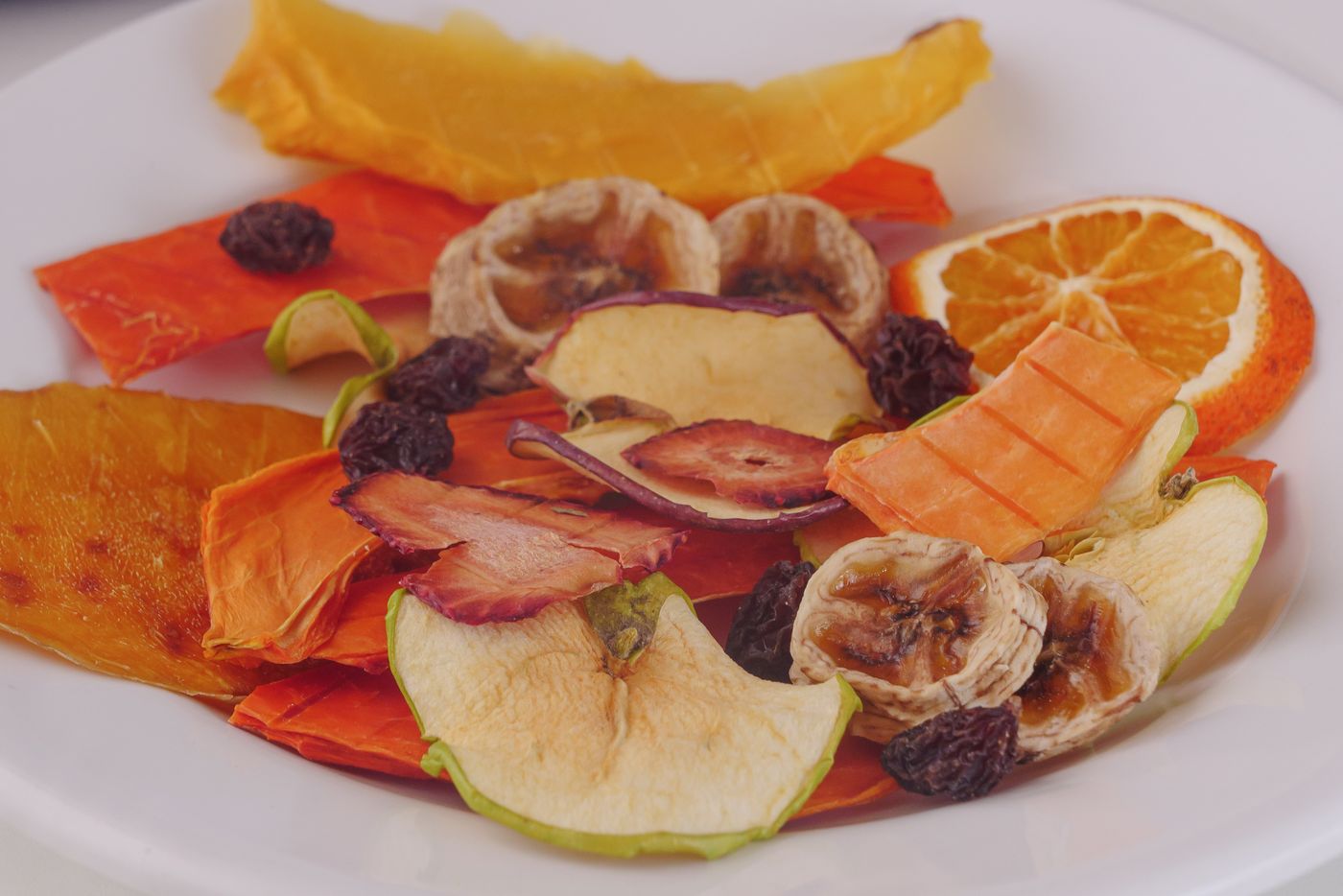
- Dry cereal, dried fruit and nuts
- Shelf-stable milk and juice
- Comfort foods and treats, which matter more than you'd think in a stressful week
Remember a manual can opener, and any special dietary needs, baby food or formula.
Layer two: two weeks
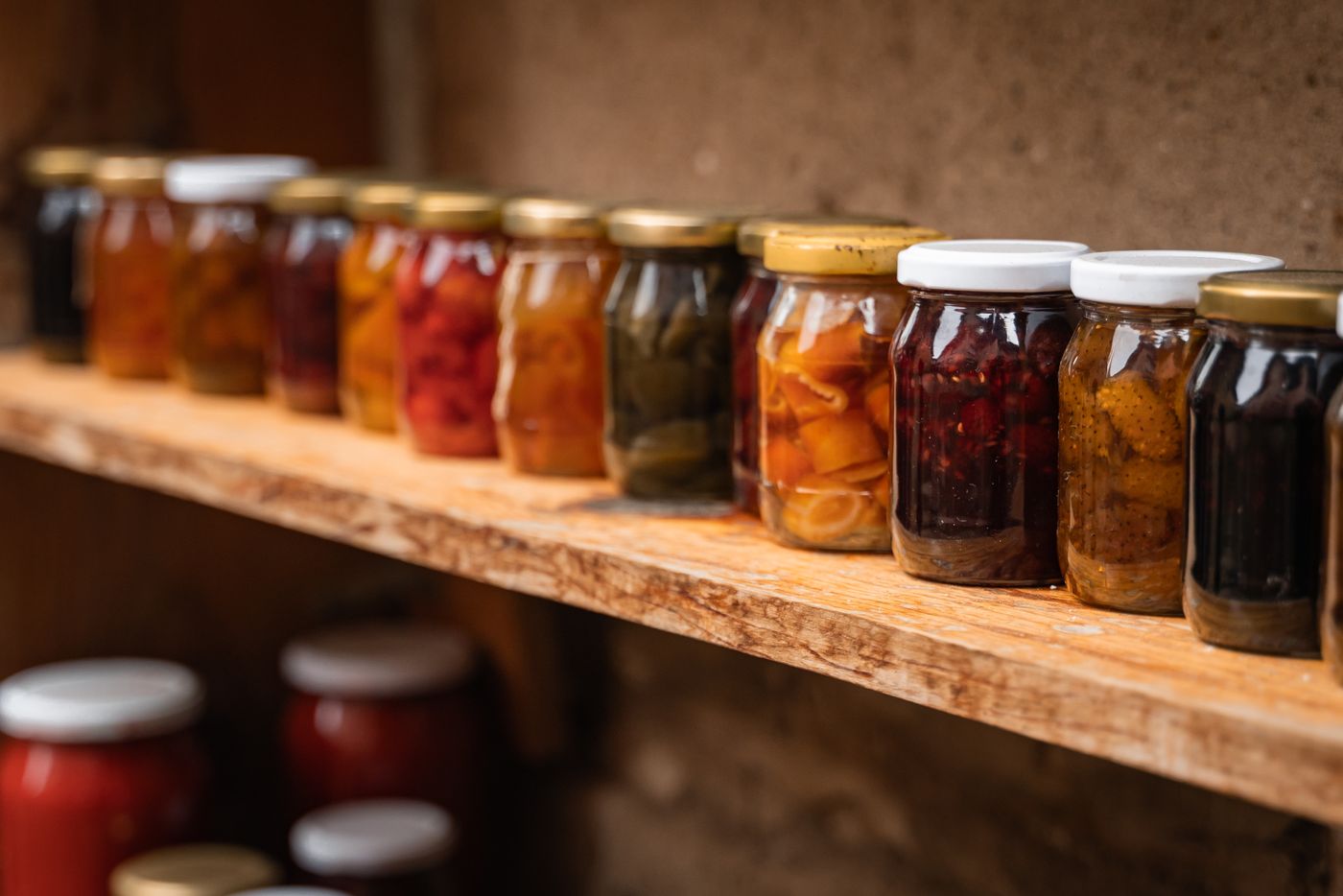
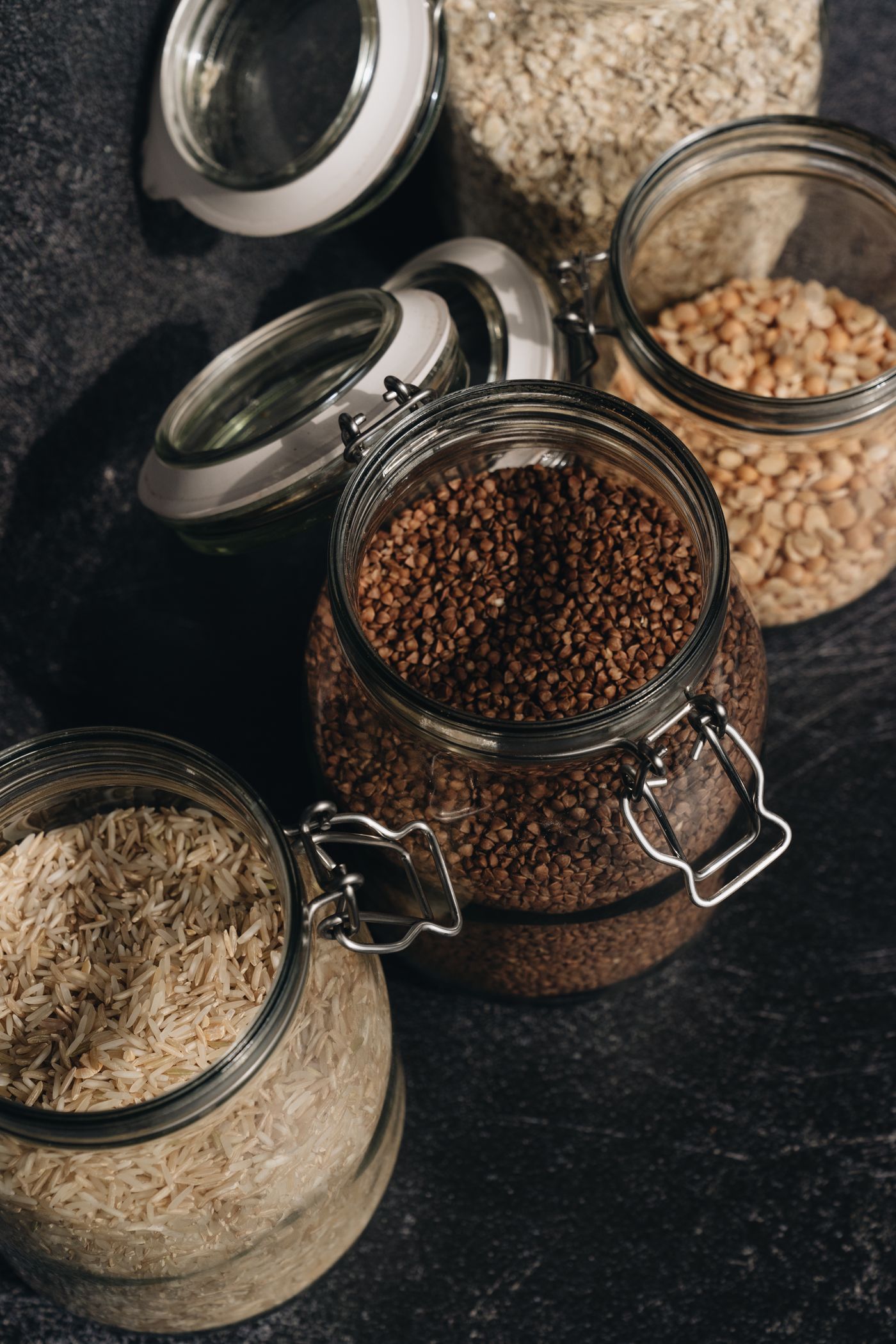
Extend your pantry gradually. Each time you shop, buy a few extra of the long-lasting items you already use: rice, pasta, oats, canned soups and sauces. Store them oldest-in-front and use them in everyday cooking, a habit called rotation. That way nothing expires and nothing goes to waste.
Layer three: long-term storage
For a deeper reserve, freeze-dried meals and bulk food storage kits are designed to last for many years when stored properly and need only water to prepare (see our emergency food supply picks). They're convenient for households with limited time to rotate a pantry, and easy to keep in a closet.
- 30-day supplies cover one person for a month in compact, sealed pouches or buckets.
- Bulk family kits offer a lower cost per serving for longer-term planning.
- Freeze-dried fruits and vegetables add nutrition and variety to entrée-heavy kits.
Before buying in bulk, try a few meals to make sure your family likes them, and check calories per day, not just "servings," when comparing kits. Browse options in our food storage collection.
Storage tips
- Keep food in a cool, dry, dark place. Heat shortens shelf life.
- Store boxed foods in tightly closed plastic or metal containers to keep pests out.
- Write purchase dates on packages and check your supply twice a year.
- Remember that freeze-dried meals need water; plan extra beyond the gallon per person per day.
- Have a way to heat water, such as a camp stove used only outdoors.
Sources
This guide is general information and is not a substitute for advice from emergency officials, medical professionals or your local authorities. Some links on this site are affiliate links; see our disclosure.