Tornadoes can form quickly and destroy a neighborhood in minutes. What saves lives is knowing ahead of time exactly where you will go, and getting there the moment a warning is issued.
Watch vs. warning
| Alert | What it means | What to do |
|---|---|---|
| Tornado watch | Conditions are favorable for tornadoes in and near the watch area, which often covers many counties. | Be prepared. Review your plan, check supplies, and be ready to act fast. |
| Tornado warning | A tornado has been sighted or indicated by weather radar. | Take shelter immediately. |
Know the warning signs
Sometimes a tornado strikes before a warning is issued. The CDC lists these signs to act on:
- A rotating, funnel-shaped cloud
- An approaching cloud of debris
- A dark or green-colored sky
- A large, dark, low-lying cloud
Keep a NOAA weather radio on during severe weather, and turn on emergency alerts on your phone. If your community uses outdoor sirens, learn the sound, but don't count on hearing them indoors.
Where to shelter
- At home: go to a basement, storm cellar or safe room. With no basement, go to a small interior room on the lowest floor, away from windows, such as a closet, bathroom or hallway.
- Protect your head. Most tornado injuries come from flying debris. Cover your head and neck with your arms, a mattress, or a helmet if you have one.
- Mobile and manufactured homes offer little protection. Plan ahead to get to a sturdy building or community shelter as soon as a watch is issued.
- In a car: a vehicle is not safe, and neither is sheltering under a highway overpass. If you can safely drive to a sturdy building, do so.
- At work or school: know the designated shelter area, usually an interior hallway or room on the lowest floor.
Prepare before tornado season
- Pick your shelter spot and practice getting there with everyone in the house, including pets.
- Keep sturdy shoes, a flashlight, a whistle and helmets for each person in or near the shelter area.
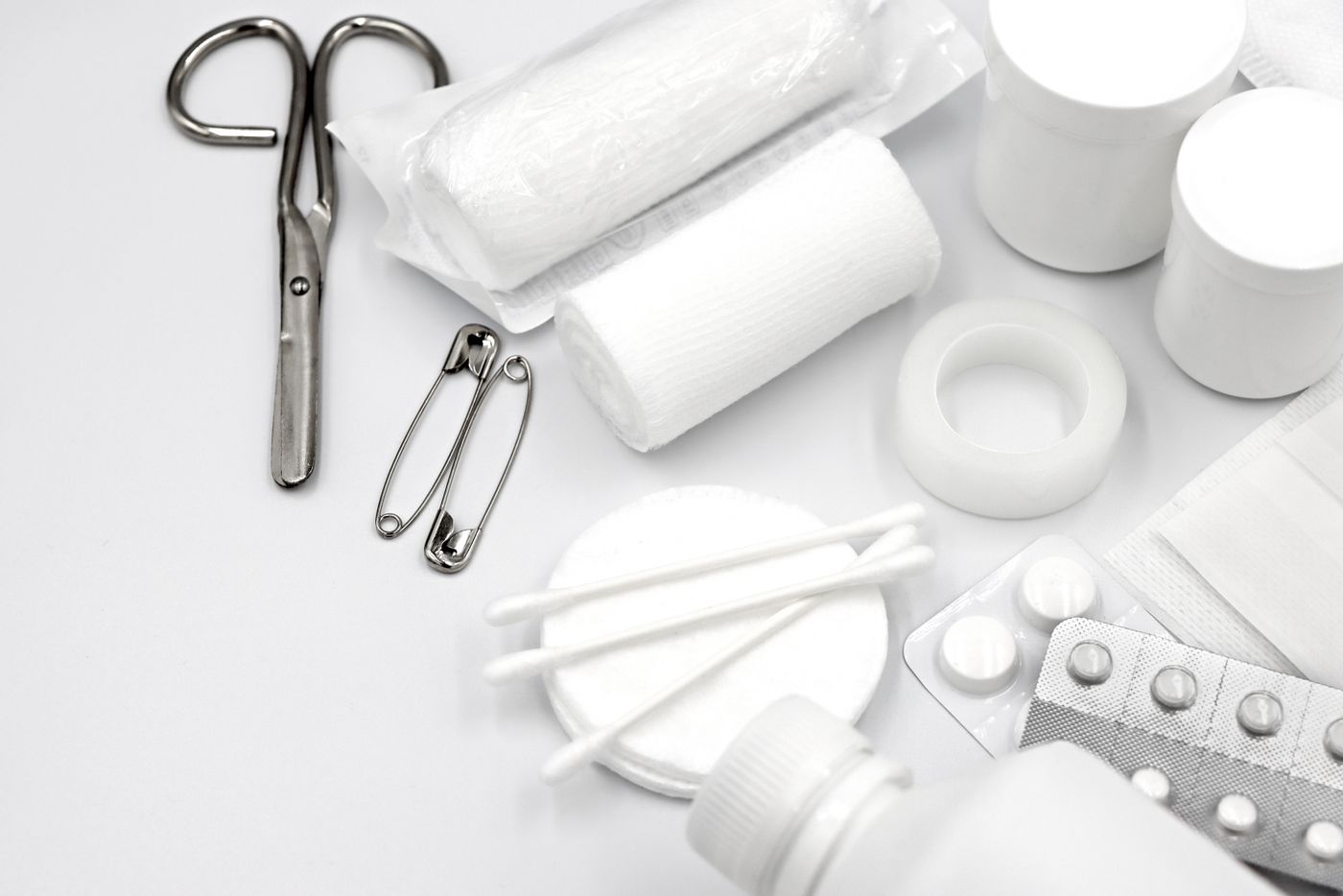
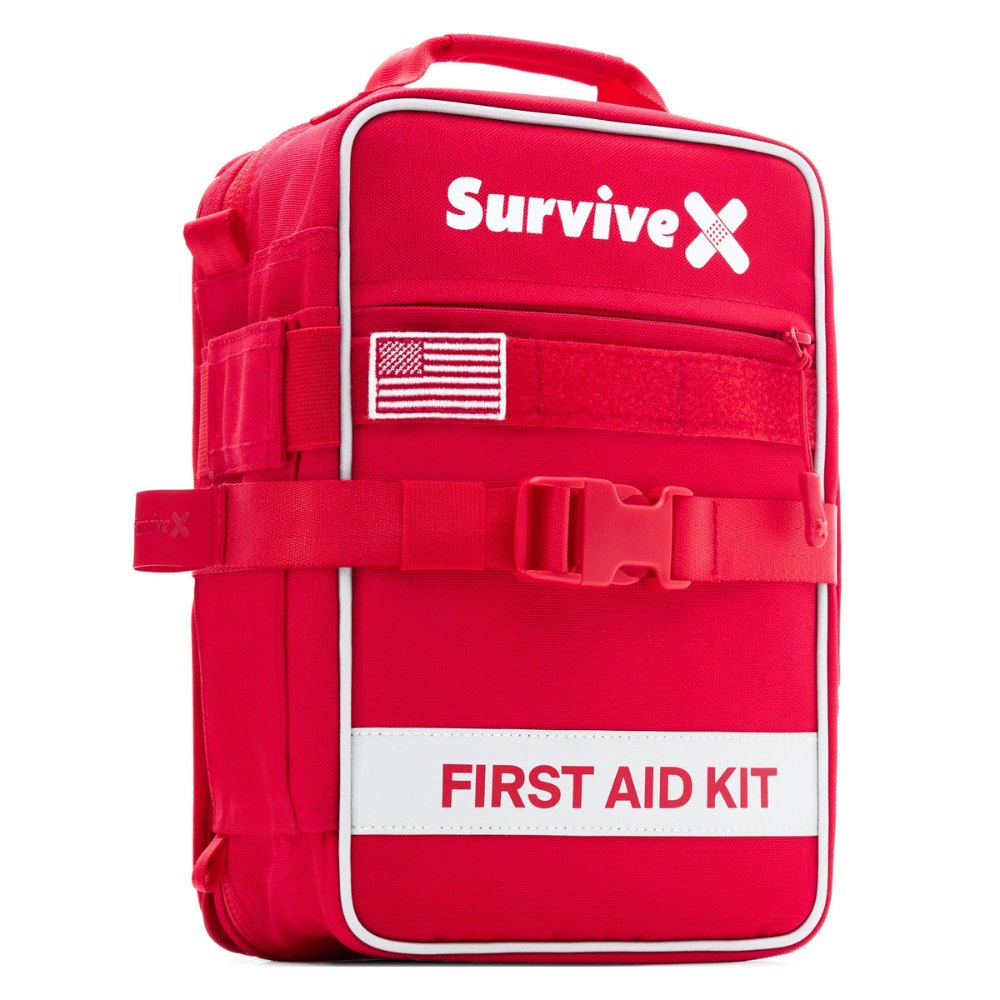
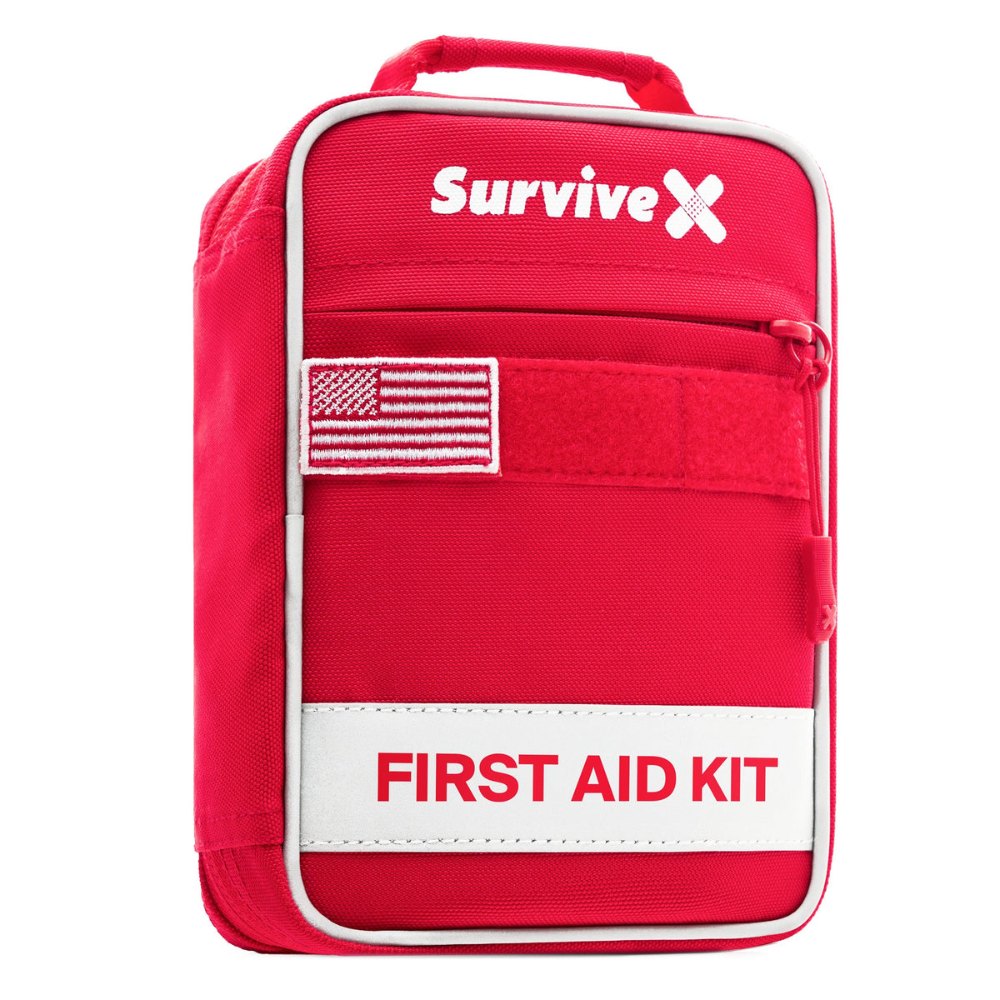
- Build an emergency kit with water, food, a first aid kit and medications.
- Consider a safe room. FEMA's safe room guidance (FEMA P-320) and the ICC 500 storm shelter standard describe rooms built to provide near-absolute protection.
- Photograph your home and belongings for insurance, and keep documents in a waterproof bag.
After the tornado
- Watch for downed power lines and gas leaks. If you smell gas, leave and call the gas company from outside.
- Wear thick-soled shoes, long pants and work gloves during cleanup.
- Use generators only outdoors, away from windows. See our generator safety guide.
- Text rather than call to let family know you're safe, so lines stay open for emergencies.
Sources
- Ready.gov: Tornadoes
- CDC: Safety Guidelines During a Tornado
- National Weather Service: Tornado safety
- NWS Nashville: Tornado watch vs. warning and road safety
- FEMA: Safe room resources
This guide is general information and is not a substitute for advice from emergency officials, medical professionals or your local authorities. Some links on this site are affiliate links; see our disclosure.