Hurricanes give days of warning, which is both a blessing and a trap: stores empty quickly once a storm is forecast. Preparing before the season starts (June 1 in the Atlantic) means you can spend those warning days securing your home instead of waiting in lines.
Hurricanes often bring their worst damage through flooding, sometimes far inland. Read our flood preparedness guide, and see preparedness by region for the other hazards common where you live.
Before the season
- Know your evacuation zone and route. Many coastal counties publish zone maps.
- Build your supplies for two weeks. After major hurricanes, power and stores can be out for days or weeks. Start with our emergency kit checklist.
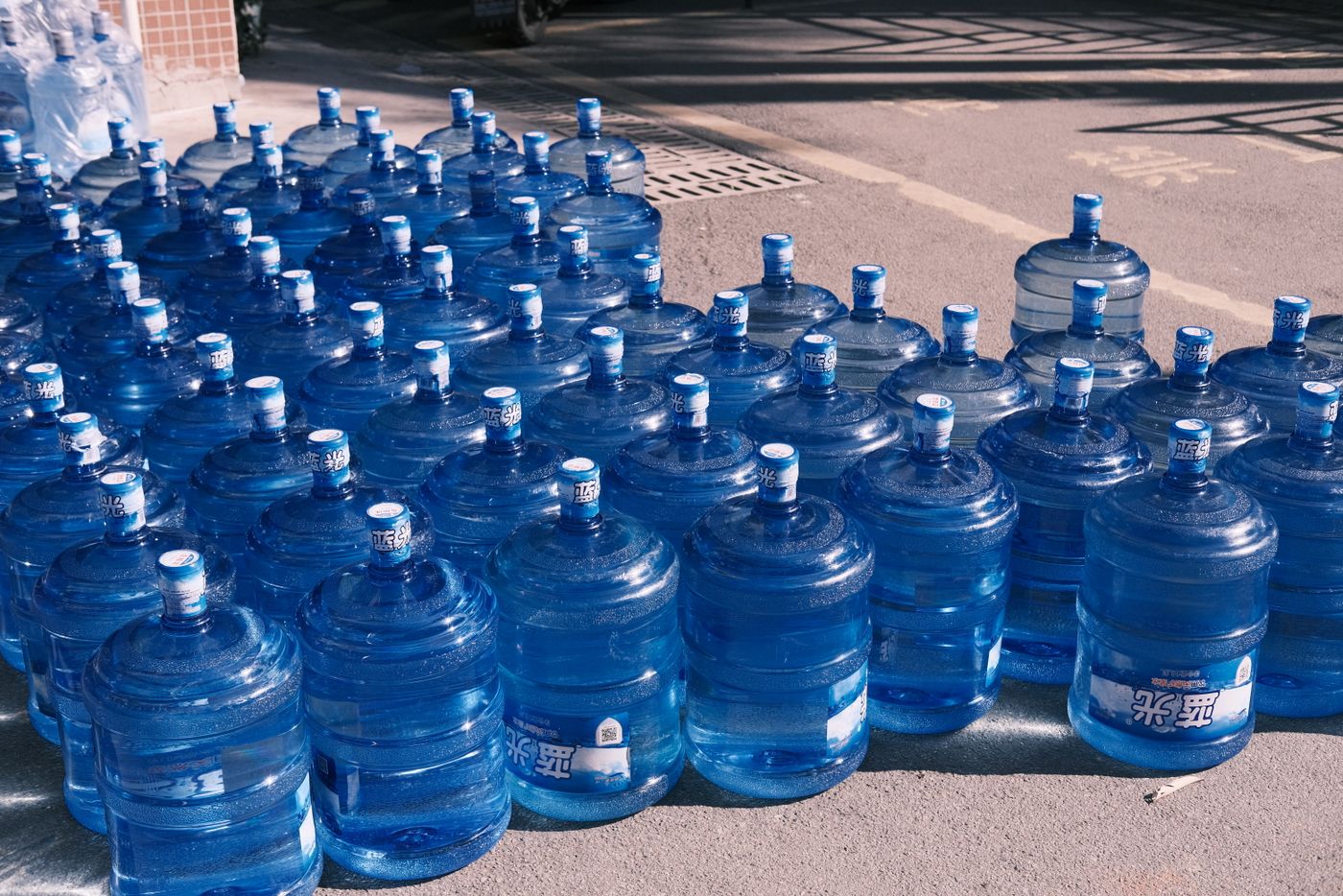
- Water: one gallon per person per day. For two weeks, a family of four needs 56 gallons.
- Backup power for the refrigerator, phones and medical devices. A solar generator with panels can recharge in the sunny days that often follow a storm.
- Review insurance. Standard homeowners policies usually don't cover flooding; flood insurance often has a waiting period before it takes effect.
- Protect your home: storm shutters or pre-cut plywood, trimmed trees, secured outdoor furniture.
When a storm is forecast
- Charge every phone, power bank and power station. Freeze water containers.
- Fill your car's tank and get some cash.
- Bring outdoor items inside and install shutters.
- Fill clean bathtubs with water for washing and flushing.
- Set the refrigerator and freezer to their coldest settings.
- Put documents and medications in waterproof bags; pack go-bags in case you're told to leave.
- If officials order an evacuation, go. Storm surge is often the deadliest part of a hurricane.
During the storm
- Stay indoors, away from windows, in an interior room on the lowest floor that won't flood.
- Listen to a NOAA Weather Radio or local news for updates.
- Don't go out during the calm of the eye; the other side of the storm will follow.
After the storm
- Avoid floodwater. It can hide downed power lines, debris and contamination; just six inches of moving water can knock a person down.
- Never run a generator indoors or in a garage. Read our generator safety guide.
- Follow boil-water notices, and use our water guide to treat questionable water.
- Photograph damage before cleaning up, for insurance.
- Check on neighbors, especially older adults.
Sources
This guide is general information and is not a substitute for advice from emergency officials, medical professionals or your local authorities. Some links on this site are affiliate links; see our disclosure.