Most winter advice assumes cold that's uncomfortable. This guide is for cold that's dangerous: the polar outbreaks that push wind chills to -30°F or lower across the northern states, multi-day outages during an arctic blast, and anyone who lives, works or travels where -20°F is normal. At these temperatures, small mistakes like a wet glove or a cotton layer turn into injuries fast, and gear rated for ordinary winter stops working.
1. Know how fast cold injures
Wind chill measures how fast your body loses heat. The National Weather Service wind chill chart shows how long exposed skin can last before frostbite: roughly 30 minutes once wind chills reach about -20°F, 10 minutes in the -35°F to -45°F range, and 5 minutes or less beyond that. For example, 0°F air with a 15 mph wind gives a wind chill of -19°F, and exposed skin can freeze in about 30 minutes.
- Check the forecast's wind chill, not just the temperature. Wind Chill Warnings mean life-threatening conditions.
- Cover every bit of skin: face, ears, nose and wrists are the first to go. A balaclava and goggles matter as much as a parka.
- Limit time outside, and go out in pairs so you can watch each other's faces for white or gray patches.
2. Spot frostbite and hypothermia early
The CDC says redness or pain in any skin area may be the first sign of frostbite, followed by white or grayish-yellow skin, skin that feels unusually firm or waxy, and numbness. Because frozen tissue is numb, people often don't notice it themselves.
Warning signs of hypothermia in adults are shivering, exhaustion, confusion, fumbling hands, memory loss, slurred speech and drowsiness. Babies may have bright red, cold skin and very low energy. A body temperature below 95°F is a medical emergency: call 911.
- Get the person somewhere warm and remove wet clothing.
- Warm the center of the body first with dry blankets and skin-to-skin contact.
- For frostbite, don't rub or massage the area, and avoid walking on frostbitten feet. Don't use a heating pad or fire to rewarm it; numb skin burns easily.
- Never rewarm frostbite if there's a chance it will refreeze. Refreezing causes worse damage.
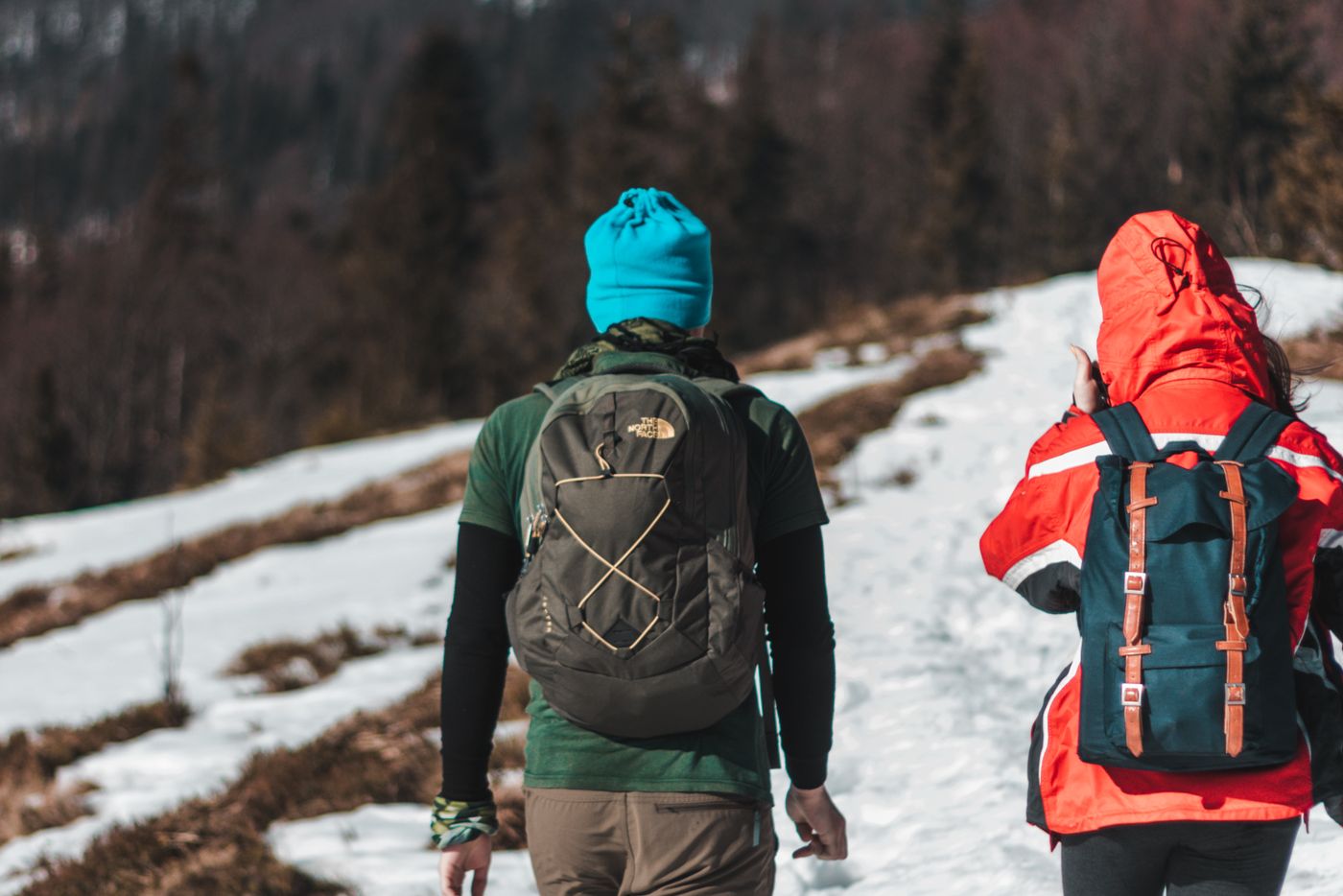
3. Dress in a system, not a coat
In deep cold, warmth comes from layers that trap air and move sweat away from your skin. Sweat is the enemy: damp clothing pulls heat from your body many times faster than dry.
- Base layer: merino wool or synthetic long underwear. Never cotton, which stays wet and cold. Montana-grown merino from makers like Duckworth, or Minus33 and Smartwool, all hold warmth when damp.
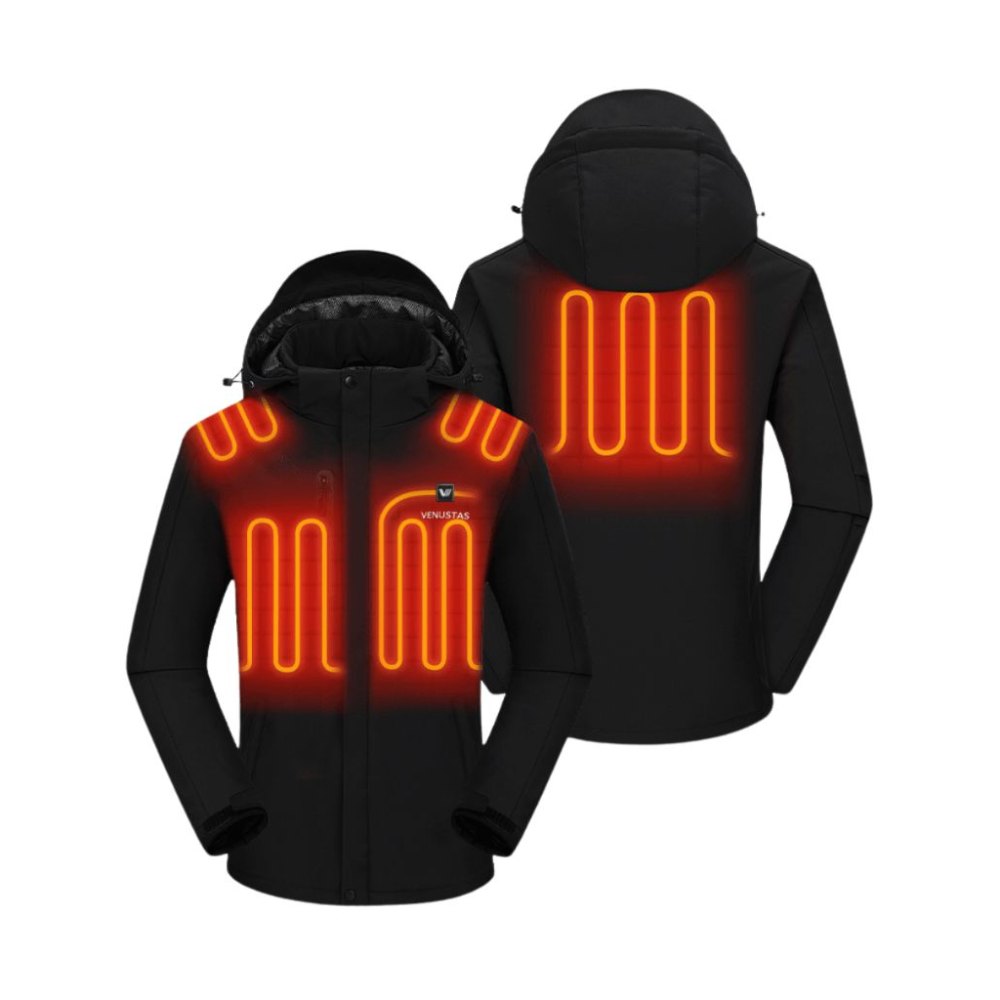
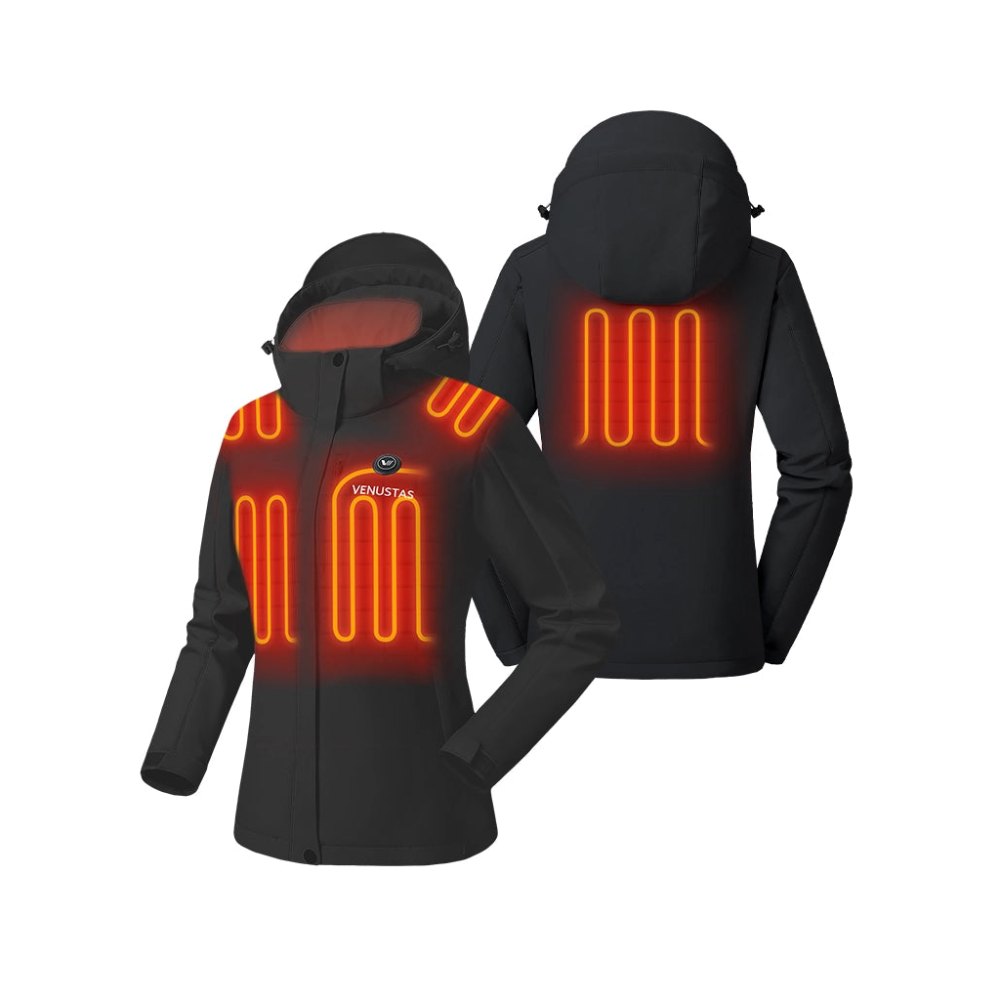
- Mid layer: fleece or a light insulated jacket you can take off when working hard. A battery-heated jacket, such as Venustas's 20-hour models, adds active warmth at your core during an outage or a long wait outside, and recharges from a power station.
- Outer layer: an expedition parka rated for the temperatures you'll face, with a hood that seals around your face. Polar-grade parkas such as the Canada Goose Expedition (developed for Antarctic research stations) or the Mountain Hardwear Absolute Zero are built for -25°F and below.
- Hands: mittens are warmer than gloves. Wear thin liner gloves underneath for jobs that need fingers. Rechargeable hand warmers add hours of warmth.
- Feet: pac boots with removable liners and a cold rating well below your local record low. Baffin's Impact is rated to -148°F; Sorel's heavier pac boots are a more everyday option. Size up so you can fit thick wool socks without squeezing circulation.
- Face and head: balaclava, warm hat and goggles. Many cold injuries happen on the face.
Remove layers before you start sweating, and change into dry socks and base layers as soon as you're back inside.
4. Staying warm at home in an arctic outage
An arctic blast is when the grid is most strained, so outages often come at the coldest moment. Our guide to heating your home without power covers the warm-room method, safe heaters and carbon monoxide in detail. In extreme cold, add these:
- Sleep warm, not just dressed warm. A sleeping bag rated well below your indoor temperature is the most reliable heat you can own. Expedition bags rated to -40°F and lower (Western Mountaineering, Feathered Friends, or Wiggy's synthetic Antarctic bag rated to -60°F) will keep a person warm in an unheated house for as long as the outage lasts.
- Insulate from the floor. Put two sleeping pads, or a pad and a folded blanket, under every sleeper. Cold floors steal more heat than cold air.
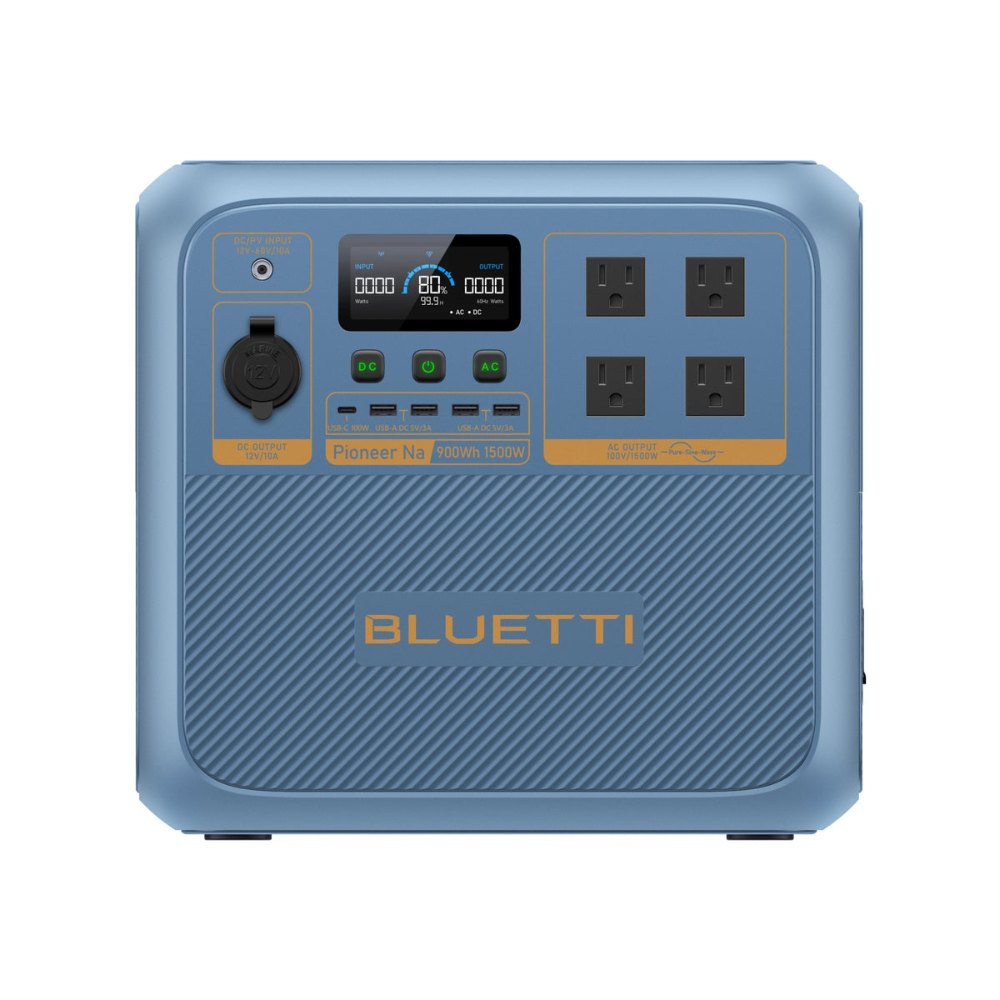
- Pick batteries that work in the cold. Many lithium power stations won't charge below freezing. The sodium-ion BLUETTI Pioneer Na is built to charge down to 5°F and run down to -13°F, which makes it a better fit for an unheated garage, cabin or vehicle.
- Protect your water. Let faucets drip, open cabinet doors, and fill bathtubs and jugs before the coldest night in case pipes freeze.
- Know when to go. If indoor temperatures fall toward freezing and you can't heat safely, go to a warming center, a friend's home or a hotel before roads become impassable.
5. Shelter outside the house
If you have to leave home or live through a long outage outdoors, a canvas hot tent with a wood stove is the warmest portable shelter there is. Stove-jack tents from makers like Pomoly let you burn wood inside safely, with the stovepipe venting through a heat-resistant port. Only use stoves designed for tent use, keep a carbon monoxide alarm inside, and never sleep with a stove smoldering unattended. Vehicle owners can also look at rooftop tents, which keep you off frozen ground.
6. If you're stranded in your car
Transportation accidents are a leading cause of winter storm deaths. The National Weather Service advice if you get stuck:
- Stay with your vehicle. It's shelter and it's easier for rescuers to find than a person on foot. Blowing snow disorients people within minutes.
- Run the engine and heater for about 10 minutes each hour, with a window cracked for fresh air.
- Keep the exhaust pipe clear of snow. A blocked tailpipe fills the cabin with carbon monoxide.
- Turn on the dome light at night while the engine runs, tie a bright cloth to the antenna or door, and raise the hood once snow stops falling.
- Move your arms, legs, fingers and toes to keep blood flowing, and don't eat snow, which lowers your body temperature. Melt it first.
A deep-cold car kit: a sleeping bag rated to at least 0°F (one per seat if you drive in remote areas), extra wool layers and mittens, chemical or rechargeable hand warmers, a shovel, traction aids, a flashlight, a first aid kit, high-calorie food, water in a container that can freeze without bursting, and a fully charged power bank. Keep the gas tank at least half full all winter.
7. Ice: the injury nobody plans for
Slips and falls on ice are one of the most common winter injuries, and they happen to people who never leave town. Slip-on traction (microspikes or ice cleats) over your boots makes clearing the driveway, checking on neighbors and walking to the car much safer. If you live near water, never walk on ice you haven't seen measured, and keep a throw rope where people fish.
A deep-cold checklist
- Merino or synthetic base layers for everyone in the house
- Parka, mittens, balaclava and goggles rated for your coldest wind chill
- Insulated pac boots and thick wool socks
- A cold-rated sleeping bag and two sleeping pads per person
- A power station that charges in the cold, plus an electric blanket
- Battery carbon monoxide alarms
- Ice traction cleats
- A winter car kit in every vehicle
For storm-specific prep, see our winter storm checklist and power outage checklist.
Sources
- National Weather Service: Wind Chill Temperature Index
- NOAA JetStream: Wind Chill
- CDC: Preventing Hypothermia and Frostbite
- CDC: Stay Safe in Winter Weather
- National Weather Service Amarillo: Winter Weather Safety
- National Weather Service: Winter Safety Tips
- MedlinePlus: Preventing cold weather injuries
- Ready.gov: Winter Weather
This guide is general information and is not a substitute for advice from emergency officials, medical professionals or your local authorities. Some links on this site are affiliate links; see our disclosure.