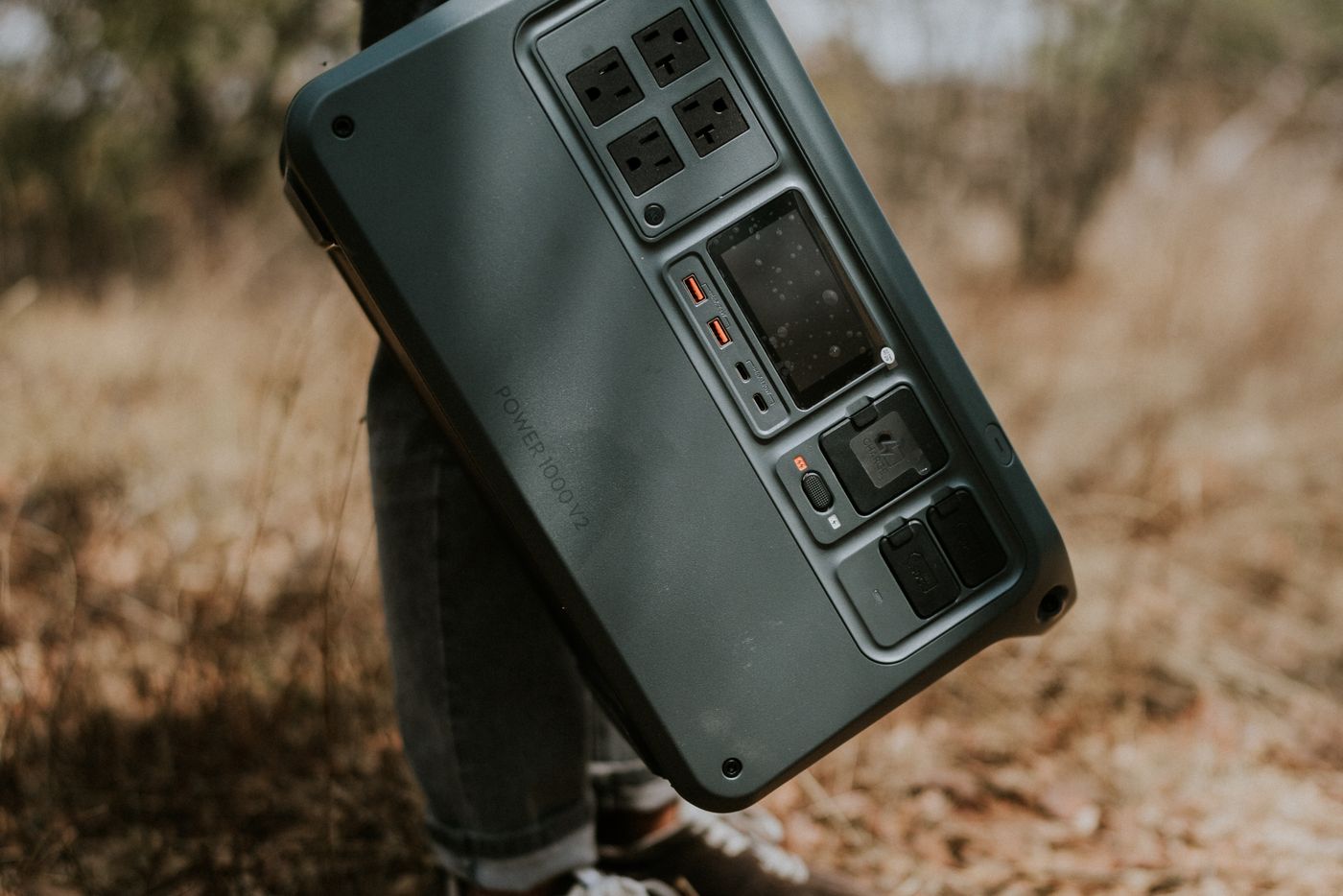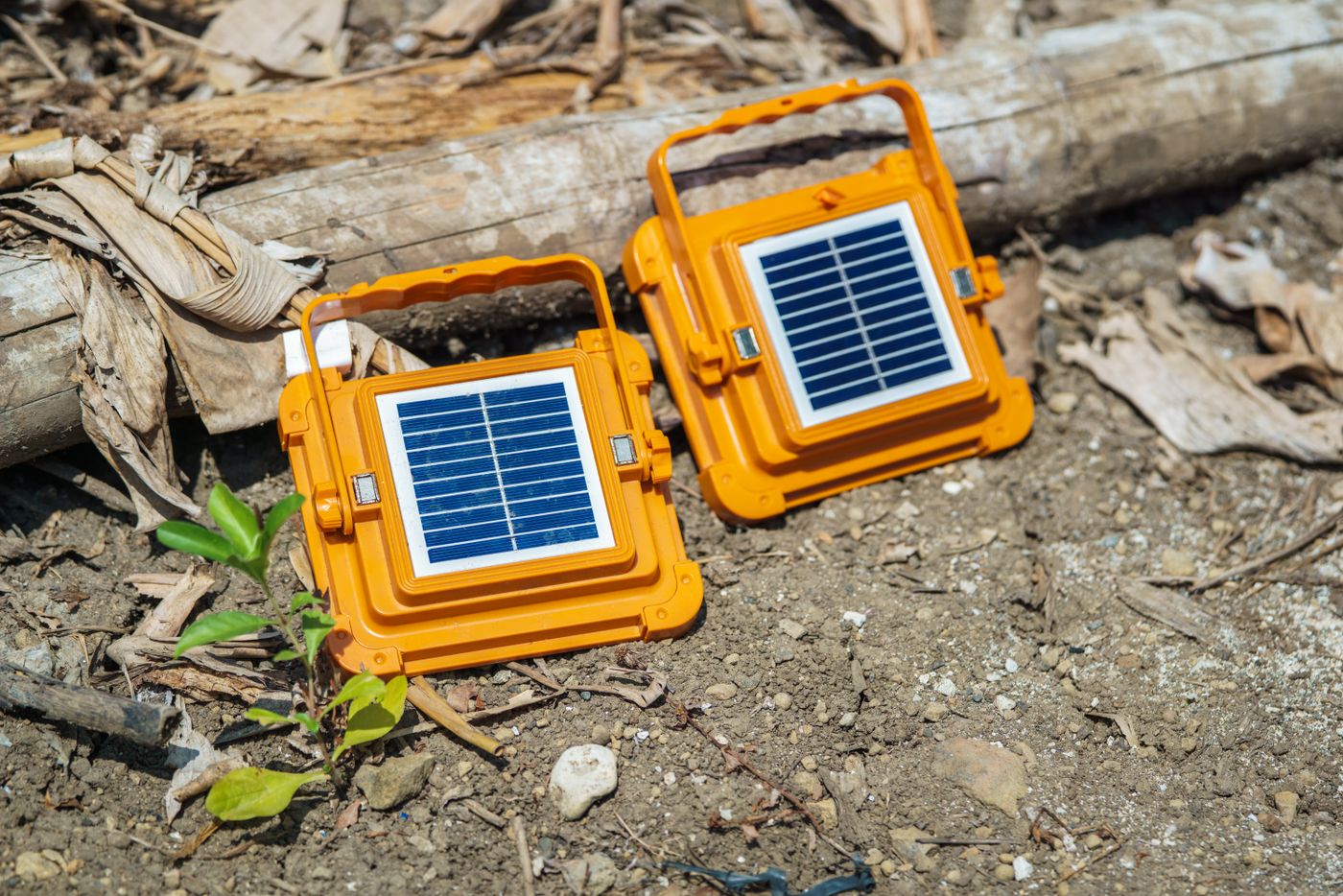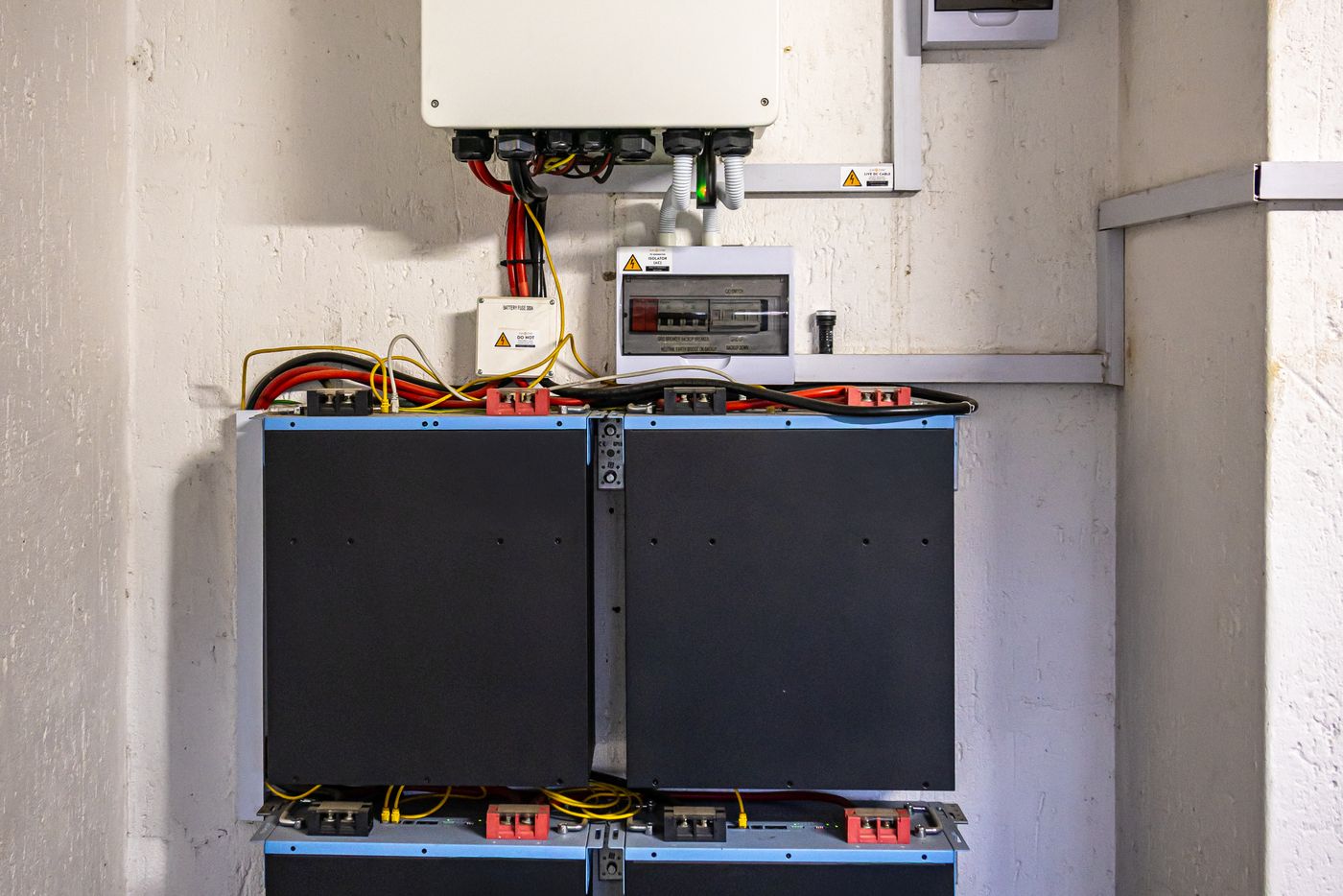
A "solar generator" is a portable power station, a large rechargeable battery with household outlets, that can be recharged from solar panels. It runs silently, makes no fumes and is safe to use indoors, which makes it the most practical backup power for most homes. Choosing one comes down to two numbers.
The two numbers that matter
Watt-hours (Wh): how long it lasts
Capacity. A 1,000 Wh station can, in theory, run a 100-watt device for 10 hours. In practice, expect around 80 to 85% of the rated capacity because of conversion losses.
Watts (W): what it can run
Output. This is the most power the station can deliver at once. A refrigerator might need a few hundred watts to run, a microwave around a thousand, and a space heater or hair dryer 1,500 or more. Add up everything you want to run at the same time and choose a station with more output than that.
What different sizes can do
| Size | Good for | Our pick |
|---|---|---|
| About 300 Wh | Phones, lights, a router, a CPAP for a night | Tier I |
| About 1,000 Wh | A refrigerator plus essentials through a typical outage | Tier II |
| About 2,000 Wh | Multi-day outages, medical devices, larger homes | Tier III |
| Expandable 3,000 Wh+ | Whole-home circuits through a transfer switch | Tier IV |
Features worth paying for
- LiFePO₄ (lithium iron phosphate) battery. Thousands of charge cycles and a long service life. Most current models use it.
- Pure sine wave inverter. Clean power that is safe for electronics and medical devices.
- Fast AC charging. Many stations recharge from a wall outlet in about an hour, useful when a storm is forecast.
- Solar input. Higher solar input means faster recharging from panels. Check that the panels you buy match the station's input range.
- UPS or pass-through mode. Keeps devices like a CPAP or modem plugged in so they switch to battery automatically.
- Expandability. Some stations accept add-on batteries, so you can start smaller and grow.
- Warranty. Look for at least three years; several major brands offer five.
Solar panels: how much do you need?
Panels are rated in watts under ideal sun. Real-world output is often half to three quarters of the rating, depending on weather, angle and season. As a rough guide, 200 to 400 watts of panels can meaningfully recharge a 1,000 Wh station over a sunny day.
Power station or gas generator?
Gas generators deliver more power for the money and run as long as you have fuel, but they are loud, need maintenance and fuel storage, and must run outdoors at least 20 feet from the home because of carbon monoxide. Power stations are quieter, cleaner and safe indoors, but their capacity is finite unless recharged. Many households use a power station for essentials and add a generator only if they face frequent multi-day outages. See our generator safety guide.
Frequently asked questions
What is the difference between watts and watt-hours?
Watts (W) is how much power a device draws or a station can deliver at once. Watt-hours (Wh) is how much energy the battery stores. A 1,000 Wh station could run a 100-watt device for roughly 10 hours, minus some conversion loss.
What size solar generator do I need?
Add up the watts of what you want to run, multiply by the hours you need them, and add about 20% for losses. Make sure the station's continuous output in watts also covers the largest device you will plug in.
Can a solar generator run a refrigerator?
Many mid-size and larger power stations can, as long as their output covers the refrigerator's startup surge. Check the fridge's label for its wattage and the station's surge rating.
Is a solar generator safe to use indoors?
Yes. A battery power station produces no exhaust, so unlike a gas generator it can be used inside the home. The solar panels go outside in the sun.
Sources
This guide is general information and is not a substitute for advice from emergency officials, medical professionals or your local authorities. Some links on this site are affiliate links; see our disclosure.