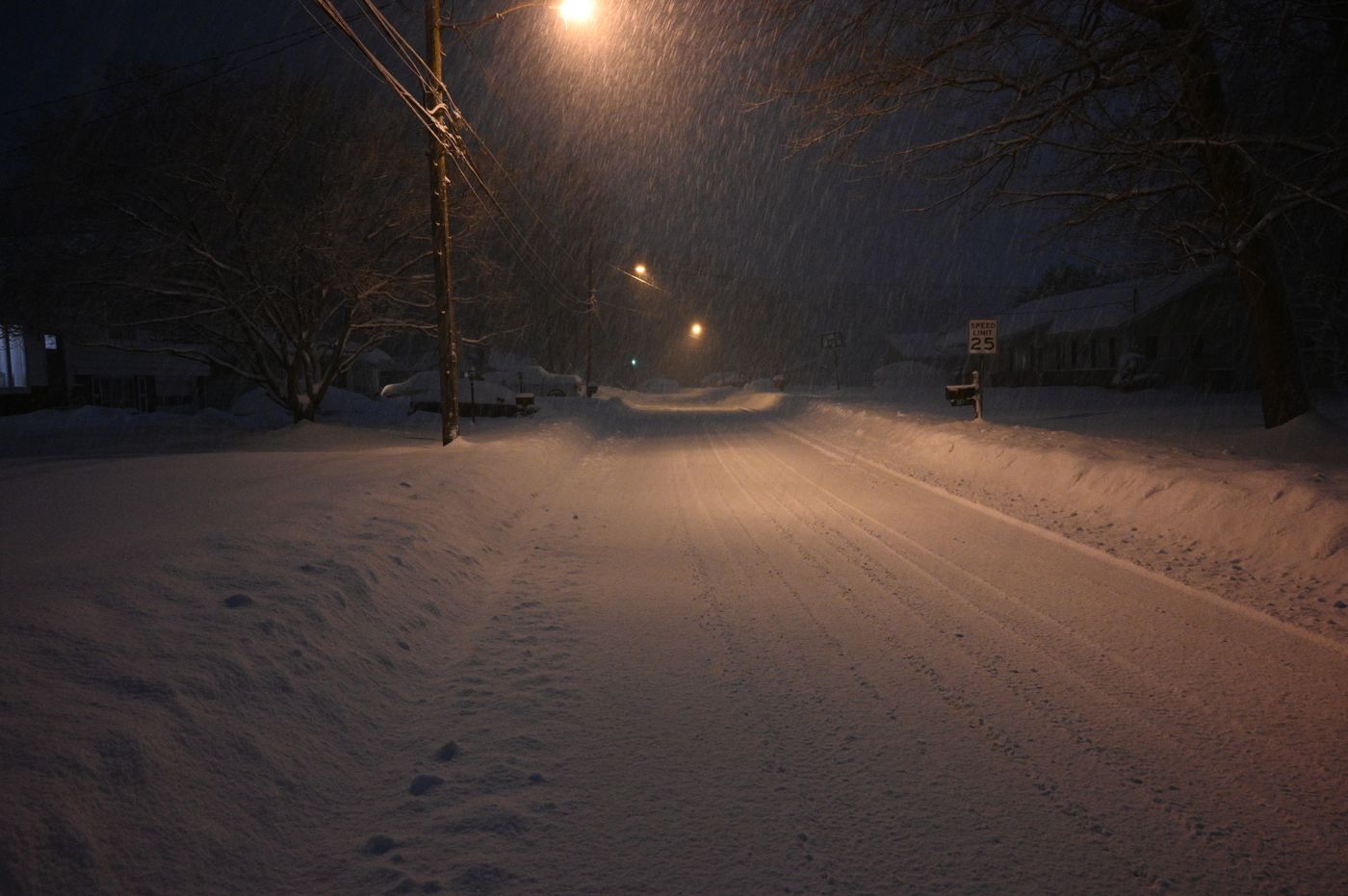
Winter storms bring a mix of dangers: car accidents, power outages in freezing weather, carbon monoxide from unsafe heating, and heart attacks from shoveling. FEMA and Ready.gov recommend preparing two kits, one for home and one for the car, before the season starts.
Prepare your home
- Stock your emergency kit, including food you don't need to cook and water for at least three days.
- Add rock salt, sand and a snow shovel.
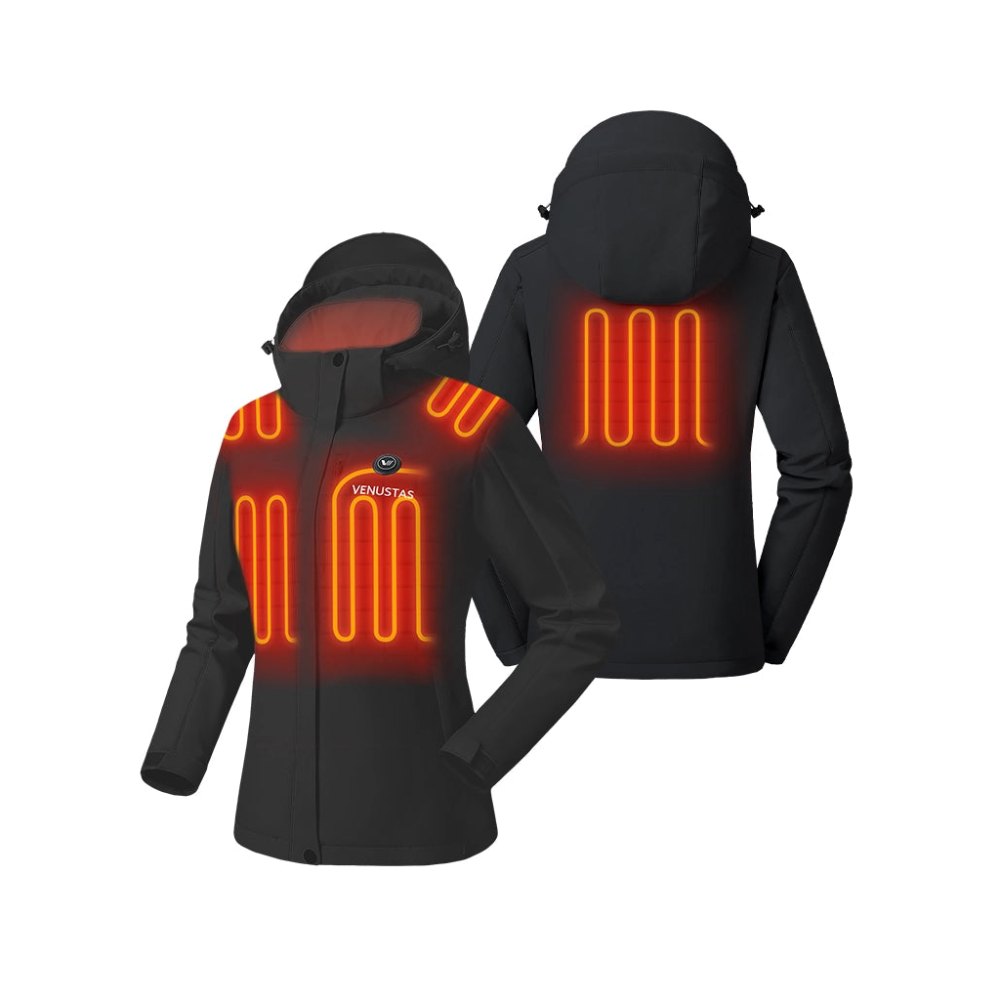
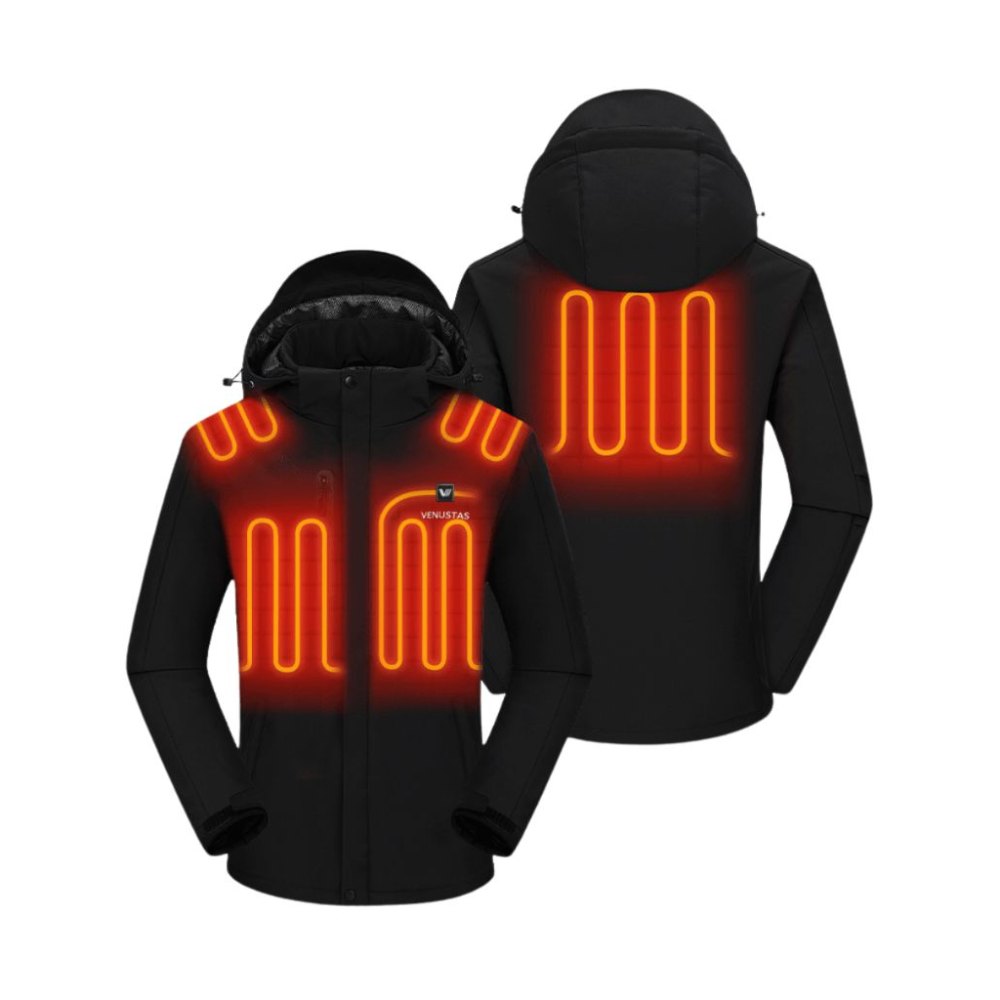
- Keep extra blankets, sleeping bags and warm clothing in layers. A rechargeable heated jacket or vest keeps your core warm if the furnace goes out.
- Install and test smoke alarms and carbon monoxide alarms with battery backup.
- Keep space heaters at least 3 feet from curtains, bedding and furniture.
- Seal drafts with weather stripping, and know how to keep pipes from freezing.
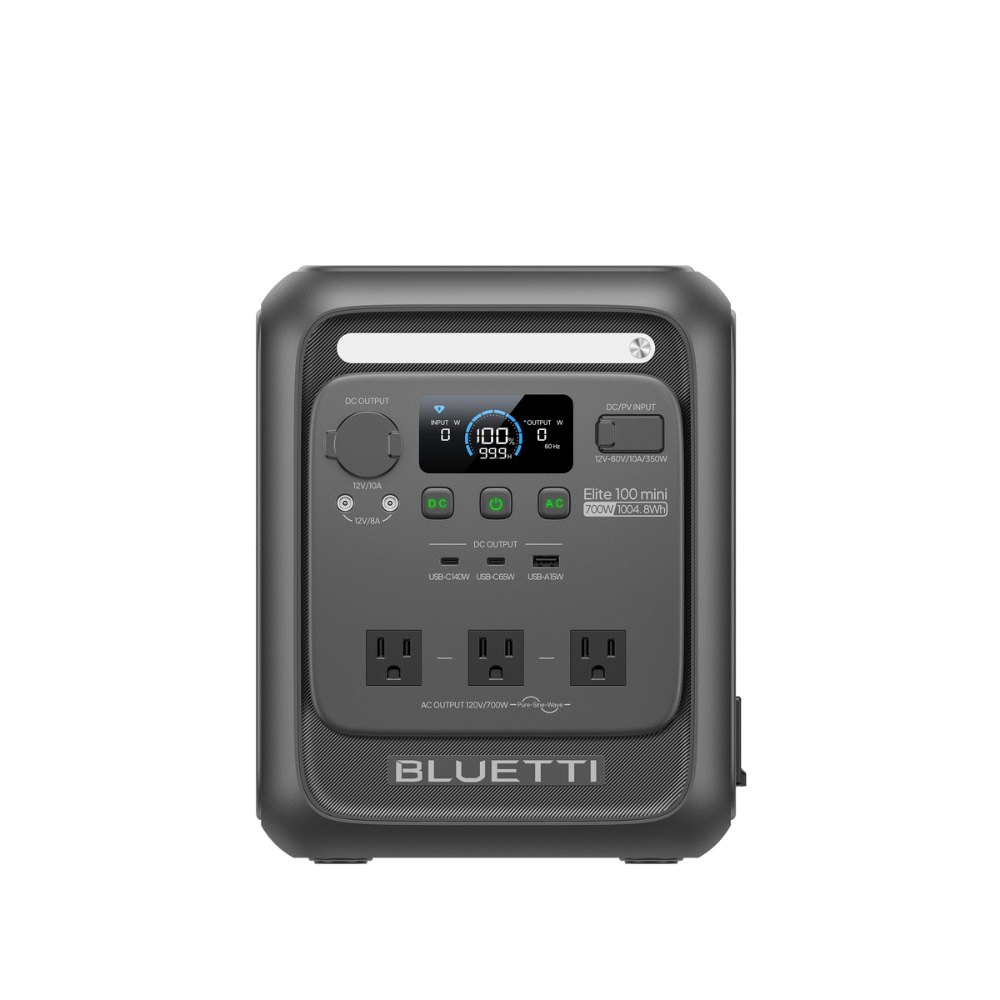
- Have backup power ready. A portable power station can safely run lights, phones and a furnace fan indoors. If you're buying one, see our Black Friday power station deals.
If the power goes out and your heat goes with it, read how to heat your home safely without power.
Build a car kit
FEMA suggests keeping these in your vehicle all winter:
- Jumper cables and flares or reflective triangles
- Ice scraper, snow brush and a small shovel
- Sand or cat litter for traction
- Flashlight and a car phone charger
- Blankets and warm clothes
- Water and non-perishable snacks
- A first aid kit
Keep your gas tank at least half full, or your electric vehicle fully charged, during winter storms.
Driving through mountain passes
Many winter trips cross mountains that get far more snow than the cities on either side. Before you go, check road conditions and closures through your state's 511 service (dial 511 or visit your state transportation department's site), carry chains if your route requires them, pack the car kit above with extra blankets and water, and tell someone your route and arrival time. If a road is closed, wait it out in town rather than looking for a back way.
During the storm
- Stay off the roads if you can. If you're stranded in your car, stay inside it.
- Avoid carbon monoxide. Use generators and grills only outdoors, away from windows, and never heat your home with a gas stove or oven. Read our generator safety guide.
- Shovel slowly and take breaks to avoid overexertion.
- Check on older neighbors and young children, who are more at risk in extreme cold.
Know the warning signs
| Condition | Signs |
|---|---|
| Frostbite | Numbness; white or grayish-yellow skin; firm or waxy skin, especially on the face, fingers and toes |
| Hypothermia | Shivering, exhaustion, confusion, fumbling hands, memory loss, slurred speech, drowsiness. A body temperature below 95°F is an emergency. |
Get the person somewhere warm and seek medical help. Don't massage frostbitten skin or use a heating pad on it.
Frequently asked questions
What is the difference between a winter storm watch and a warning?
The National Weather Service issues a watch when a significant winter storm is possible in the next few days, so it is time to prepare. A warning means the storm is happening or about to happen, so stay off the roads and shelter in place.
How do I keep pipes from freezing during a winter storm?
Let a trickle of cold water drip from faucets on exterior walls, open cabinet doors under sinks so warm air reaches the pipes, and keep the house heated. If the power goes out, know where your main water shutoff is.
What should I have at home for a winter storm?
At least three days of water and food that needs no cooking, flashlights and batteries, a NOAA weather radio, warm layers and blankets, prescription medicines, and a safe backup heat or power plan. Battery-powered carbon monoxide alarms are essential if you use any fuel-burning heater.
Is it safe to use a gas oven or grill to heat the house?
No. The CDC warns never to heat a home with a gas oven, stove, grill or generator. They produce carbon monoxide, which you cannot see or smell and which can kill within minutes.
Sources
This guide is general information and is not a substitute for advice from emergency officials, medical professionals or your local authorities. Some links on this site are affiliate links; see our disclosure.