Your family may not be together when an emergency happens. A simple written plan answers three questions ahead of time: how you'll reach each other, where you'll meet, and what each person will do. It doesn't take long, and it's free.
Step 1: Choose an out-of-town contact
Pick one relative or friend who lives outside your area. In a disaster, local phone service can be overloaded while long-distance calls and texts still get through. Everyone in the family reports to that one person, who passes messages along.
Step 2: Text, don't call
A text message uses far less network capacity than a call and may send automatically once service returns. Agree on short messages like "I'm OK. At library." Make sure everyone, including older relatives, knows how to text.
Step 3: Pick meeting places
- Near home: a spot outside, such as a neighbor's mailbox, for fires and gas leaks.
- In your neighborhood: a library, community center or place of worship, if you can't get home.
- Out of town: a friend or relative's home, if you have to evacuate.
Step 4: Write it all down
- Phone numbers for every family member, the out-of-town contact, schools, workplaces, doctors and your veterinarian. Phones die, so put them on paper.
- Each school's and workplace's emergency plan and pickup rules.
- Medical needs, medications and insurance information.
- Give everyone a copy for their wallet or backpack, and post one at home.
Ready.gov offers a free fillable Family Emergency Communication Plan that prints as wallet cards.
Step 5: Plan for everyone
- Children: help them memorize a key phone number and know to follow a teacher's instructions.
- Older adults and people with disabilities: plan for transportation, medical devices and backup power. See our CPAP backup power guide.
- Pets: many shelters don't accept them. See our pet emergency kit.
Step 6: Sign up for alerts and practice
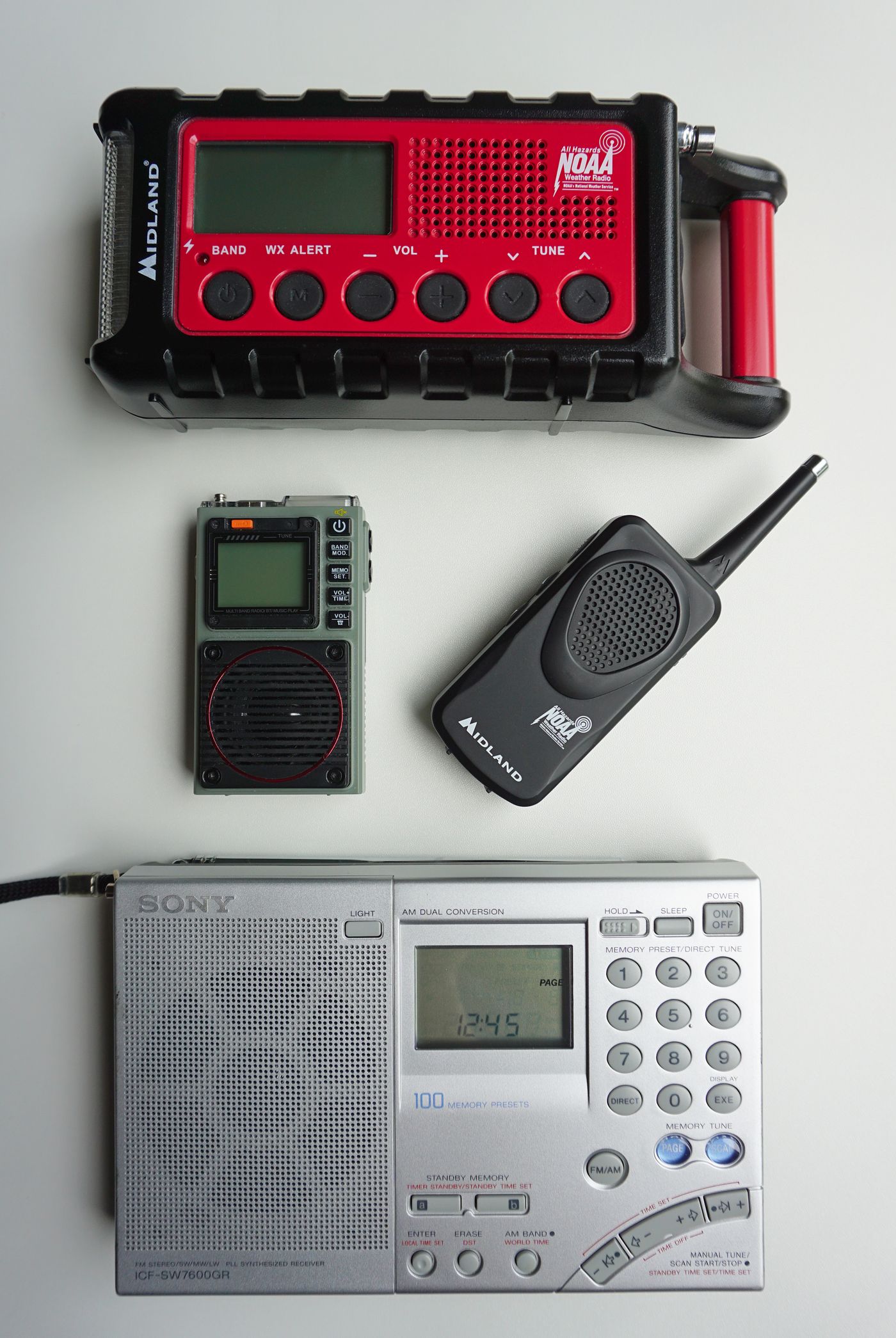
- Sign up for your county's emergency alerts and keep a NOAA weather radio.
- Have each person practice texting the out-of-town contact.
- Walk your evacuation routes and practice getting out of the house.
- Review the plan once a year and after any big change.
Sources
- Ready.gov: Make a Plan (Kids)
- FEMA: Family Emergency Communication Plan
- Pennsylvania: How to Make a Family Emergency Plan
This guide is general information and is not a substitute for advice from emergency officials, medical professionals or your local authorities. Some links on this site are affiliate links; see our disclosure.