A pre-made survival kit is the fastest way to be ready to leave home in minutes. The best ones cover the basics for 72 hours; the cheapest ones often cut corners on food, water and light. Here's what to look for, and three good starting points.
How we chose: we compared published manufacturer specifications and listed what each product is best for. We have not tested these products ourselves. At the time of writing we earn no commission on the products on this page; prices change often, so check the maker's site.
What a good 72-hour kit includes
- Water, or a way to make it: pouches, a filter and purification tablets.
- Food: long shelf life ration bars or meals.
- Shelter and warmth: emergency blankets, a tube tent or bivy, ponchos.
- Light and communication: flashlight or headlamp, radio, whistle.
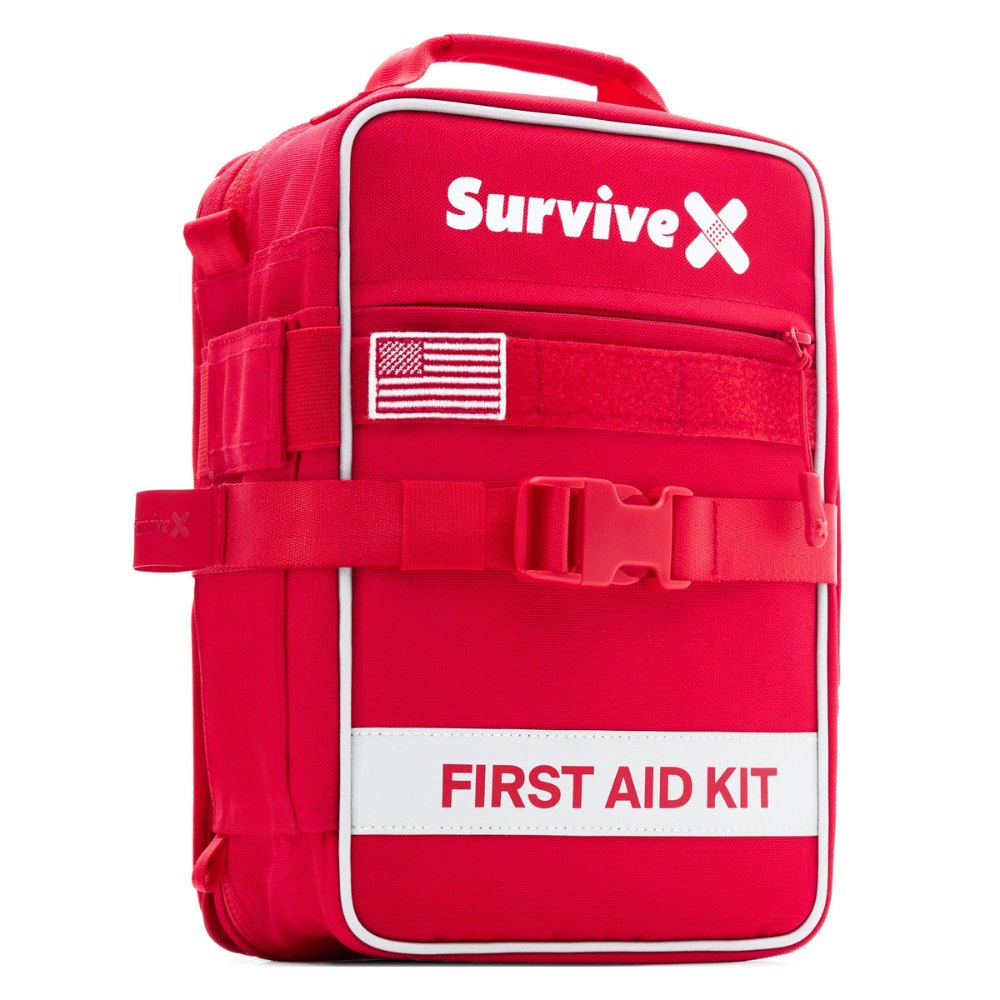
- First aid, N95 or dust masks, gloves, hygiene supplies.
- A pack you can actually carry, with room to add your own medications, documents, cash and clothes.
Our picks
Ready America 4-Person Deluxe Emergency Kit
| Covers | 4 people, 3 days |
|---|---|
| Food and water | 2,400-calorie food bars and boxed water, 5-year shelf life |
| Also includes | 107-piece first aid kit, ponchos, survival blankets, light sticks, Emergency Power Station |
| Pack | One backpack |
An affordable way to cover a whole family's basics. Food is limited to ration bars, so add a few meals, a water filter and a real flashlight to round it out.
See it at Ready AmericaUncharted Supply Co. SEVENTY2 Pro
| Covers | 2 people, 72 hours |
|---|---|
| Pack | Waterproof roll-top shell with a removable, labeled insert |
| Includes | Water filter, survival tent, first aid kit, tools, fire starter, air masks |
| Price range | Premium |
Designed with first responders and widely praised for its organization: survival instructions are printed right on the insert. It costs several times more than a basic kit, but the gear is meant for repeated use.
See it at Uncharted Supply Co.Build your own with the 3V Gear Velox II
| Capacity | About 27 liters |
|---|---|
| Material | 600D PVC-backed nylon |
| Features | Four compartments, MOLLE webbing, hydration compatible |
| Warranty | Lifetime |
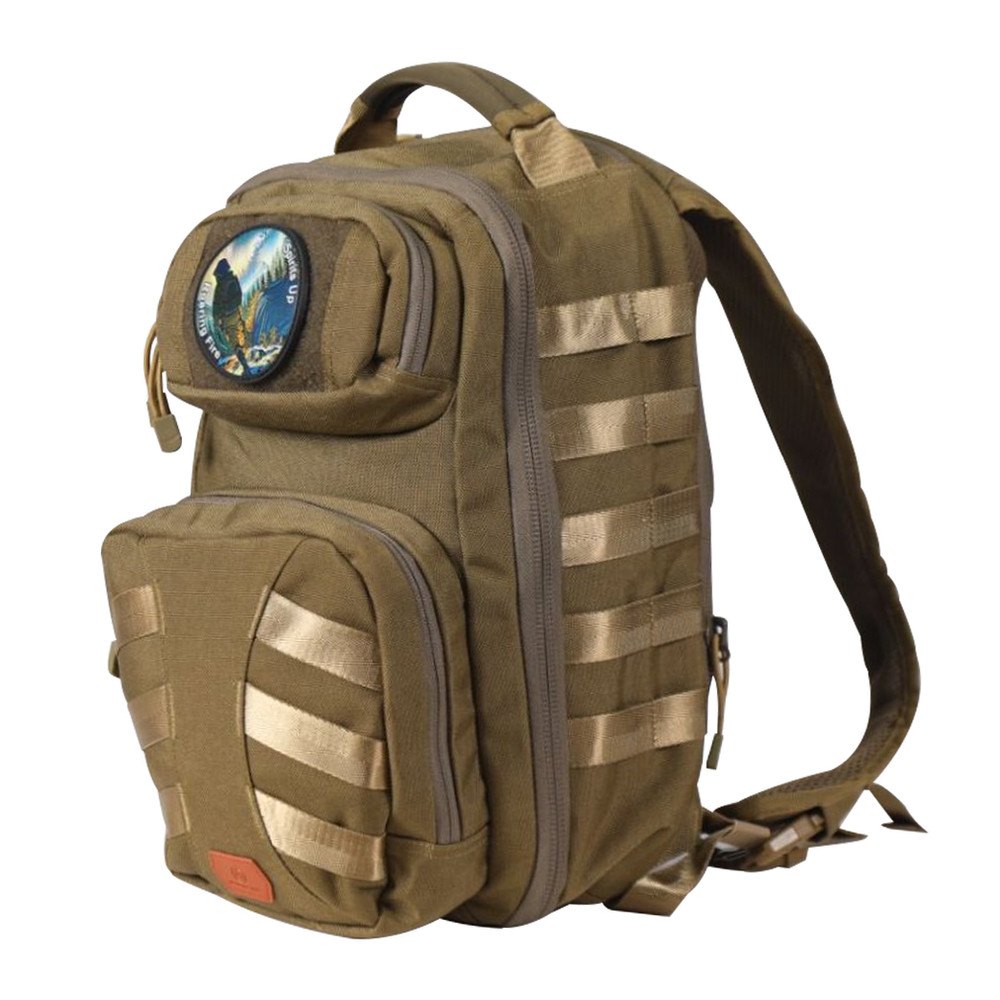
If you'd rather choose every item yourself, start with a durable pack and follow our bug out bag checklist. Published reviews describe it as roomy enough for a couple of days of gear for one person.
See it at 3V GearPre-made kit or build your own?
| Pre-made kit | Build your own | |
|---|---|---|
| Time to be ready | Same day | A weekend of shopping and packing |
| Cost | Lower up front for basic kits; premium systems cost more | Varies with the gear you choose |
| Quality | Budget kits often skimp on light, food and tools | You choose every item |
| Fit for your family | Generic; you still add medications, documents and clothes | Built around your needs |
| Best for | Getting covered fast, gifts, a second kit for the car | People who want gear they'll use again |
Many families do both: a pre-made kit to get covered today, then upgrade the flashlight, water filter and food over time.
How to choose the bag itself
- Comfort first. Padded shoulder straps and a hip belt matter more than tactical styling. If you can't carry it for an hour, it's too heavy.
- Weather resistance. Look for water-resistant fabric, or pack contents in dry bags or zip-top bags.
- Organization. Several compartments let you find the first aid kit or headlamp in the dark without unpacking everything.
- Low profile. A plain backpack draws less attention than a camouflage or military-style pack during an evacuation.
- Room to grow. Leave space for your own medications, documents, cash, clothes and a few comfort items for kids.
One kit is rarely enough
Ready.gov recommends keeping supplies at home, at work and in the car. A simple setup for most households:
- A grab-and-go bag per person by the door or in a hall closet that everyone knows about.
- A car kit with water, snacks, a blanket, a flashlight and a first aid kit. See our winter storm guide for cold-weather additions.
- A work kit with walking shoes, water, snacks and medications, since Ready.gov suggests being able to shelter at work for at least 24 hours.
- Pets need their own food, water, leash and records. See our pet emergency kit.
Whatever you choose, add these
- A week of your prescription medications and copies of prescriptions.
- Copies of IDs and insurance documents in a waterproof bag, plus cash.
- A change of clothes and sturdy shoes.
- A personal water filter if the kit doesn't include one.
- Phone charger and power bank.
Check the kit twice a year and replace food, water and batteries as they expire.
Frequently asked questions
What should be in a bug out bag?
At minimum, the items on Ready.gov's basic kit list: water, non-perishable food, a battery or hand-crank radio, a flashlight, a first aid kit, extra batteries, a whistle, a dust mask, moist towelettes and garbage bags, a wrench or pliers, a manual can opener, local maps, and a phone charger with a backup battery. Add your medications, copies of documents, cash and a change of clothes.
How much water should I pack?
Ready.gov recommends one gallon of water per person per day for drinking and sanitation. Water is heavy, so most go-bags carry a day or two of water plus a water filter or purification tablets to make more.
How long should a bug out bag last?
Most are built to cover about 72 hours, the window in which you may have to manage on your own before help or services arrive. That's why they're often called 72-hour kits.
What's the difference between a bug out bag, a go-bag and a 72-hour kit?
They're mostly the same thing: a portable bag of supplies you can grab when you have to leave home quickly. 'Go-bag' and '72-hour kit' are the terms emergency agencies tend to use.
Is a pre-made survival kit worth it?
It's the fastest way to get covered, and a good kit is worth it. Budget kits tend to skimp on flashlights, food and tools, so plan to upgrade a few items and add your own medications and documents.
How often should I check my bag?
Ready.gov suggests rethinking your needs every year and replacing expired items. We recommend checking twice a year, when clocks change, to rotate food, water and batteries and update clothes for the season.
Sources
- Ready.gov: Build a Kit
- Ready America: 4 Person Deluxe Emergency Kit
- Uncharted Supply Co.: Survival Systems
This guide is general information and is not a substitute for advice from emergency officials, medical professionals or your local authorities. Some links on this site are affiliate links; see our disclosure.