For people with sleep apnea, a power outage isn't just an inconvenience: it means a night without therapy. A properly sized battery backup solves that. Here is how to work out what you need.
How much power does a CPAP use?
Power use depends mainly on two things: your pressure setting and whether you use a heated humidifier or heated tubing.
- Without heated humidification: typically about 30 to 60 watts at common pressure settings.
- With a heated humidifier or heated tube: roughly 60 to 100 watts, sometimes more at high settings.
The humidifier is usually the biggest draw. Turning it off during an outage can multiply your runtime.
Sizing your battery
Battery capacity is measured in watt-hours (Wh). Multiply your machine's watts by the hours you sleep, then add about 20% for conversion losses.
| Setup | Approx. use per 8-hour night | Nights from a 1,000 Wh station |
|---|---|---|
| CPAP, no humidifier (~40 W) | ~385 Wh | About 2½ |
| CPAP with humidifier (~80 W) | ~770 Wh | About 1 |
These are estimates; your actual use may differ. The safest way to know is to run your machine on the power station for one full night at home before you need it.
Choosing a power station
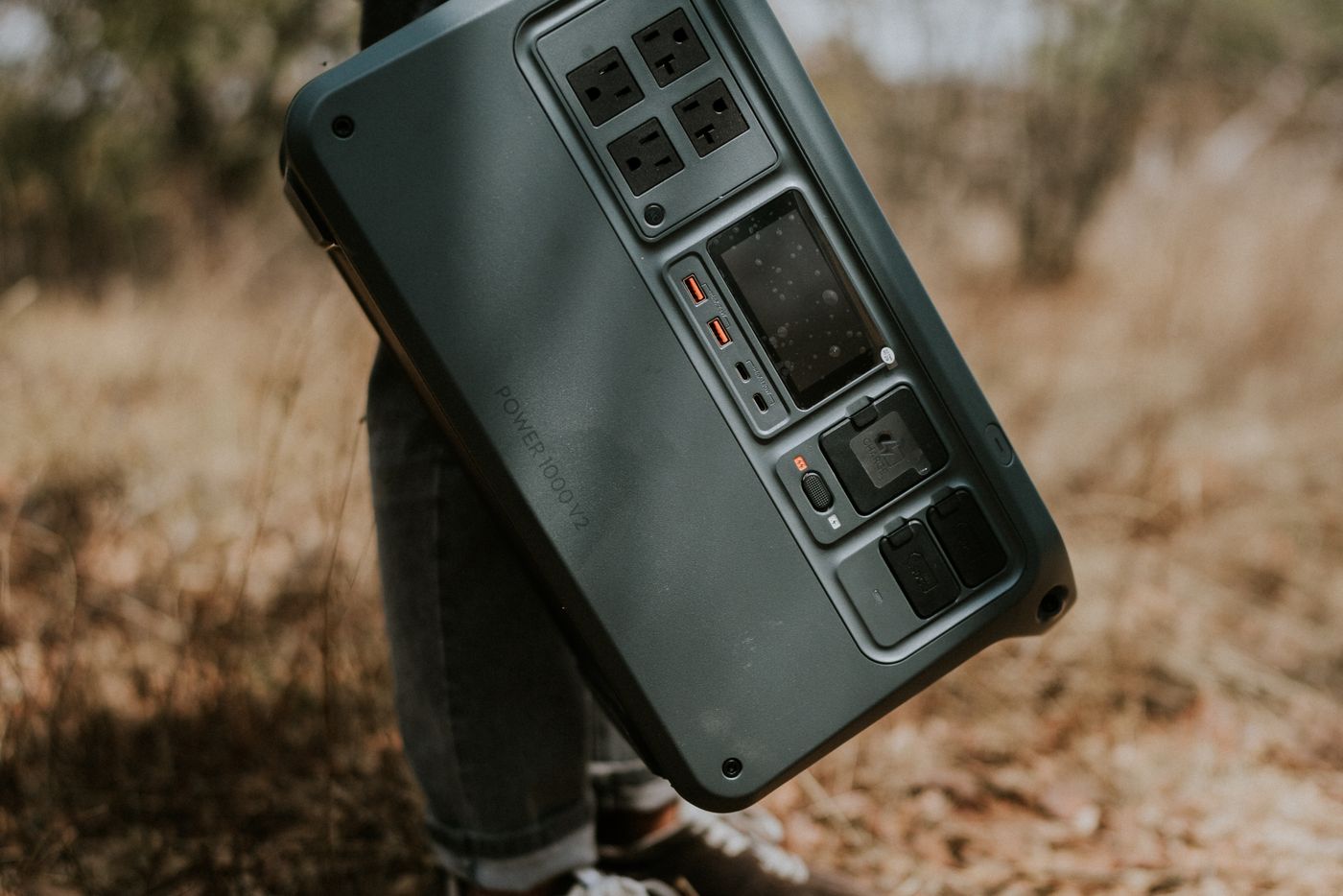
- Capacity: for one or two nights with a humidifier, or several nights without, a station around 1,000 Wh is a sensible starting point. Our solar generator guide lists options by tier.
- Pure sine wave AC output: recommended for medical devices. All the stations we list provide it.
- UPS or pass-through mode: lets you keep the CPAP plugged into the station every night, so it switches over automatically if the power fails while you sleep.
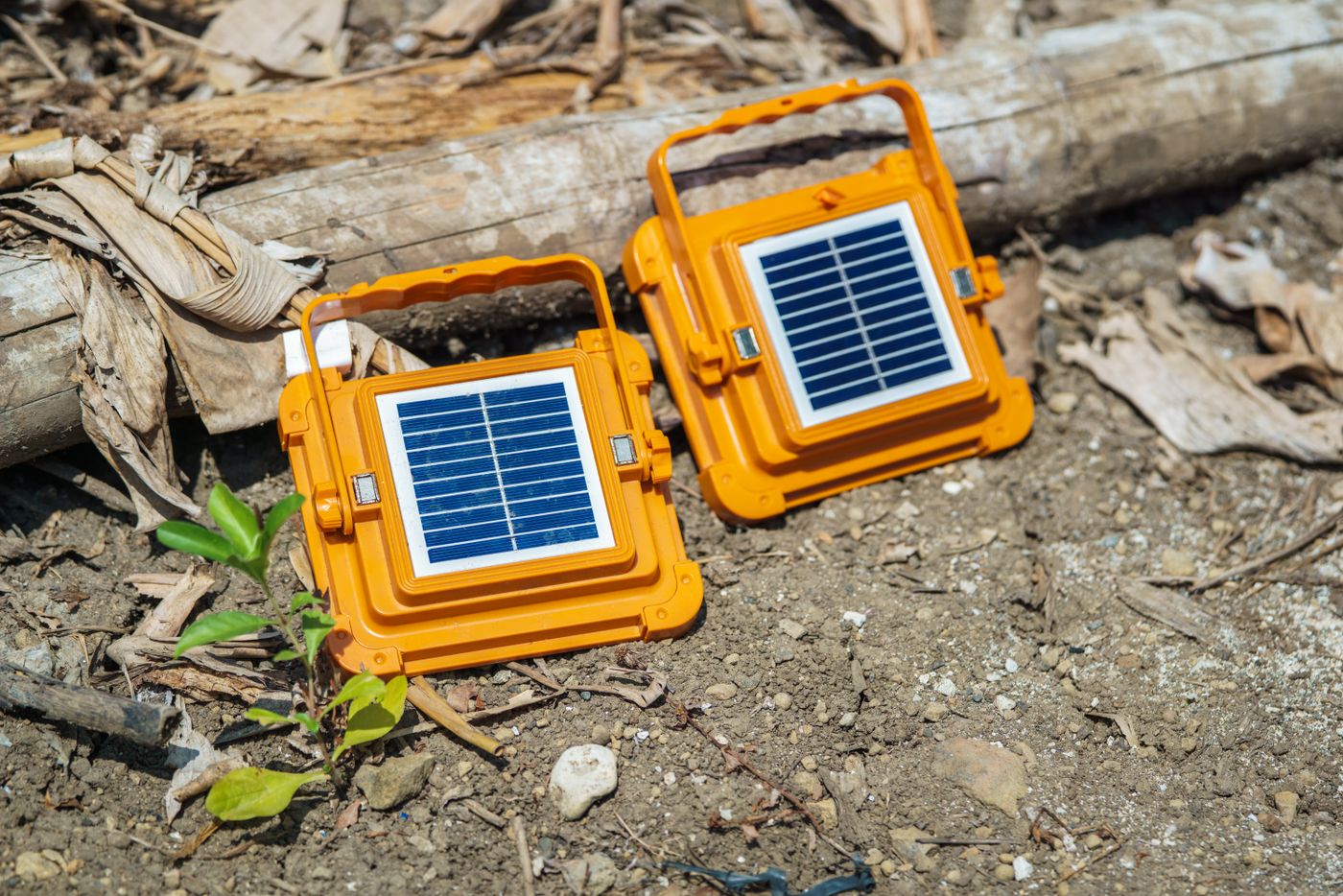
- Solar recharging: folding panels let you refill the battery during the day in a multi-day outage.
Stretch your runtime
- Turn off the humidifier and heated tube during outages.
- Use your machine's DC power cord if the manufacturer offers one. Running on DC skips the inverter and wastes less energy.
- Keep the station fully charged and top it up every few months.
- Charge the station first whenever power returns.
Other steps worth taking
- Register with your electric utility's medical needs program if it has one.
- Ask your supplier about a manufacturer-approved battery for your model.
- Know where you could go, such as a family member's home or a hospital, if an outage lasts longer than your battery.
Frequently asked questions
How long will a power station run a CPAP?
It depends on your pressure and whether you use heated humidification. As an estimate, a CPAP drawing about 40 watts without a humidifier uses roughly 385 Wh per 8-hour night including conversion losses, so a 1,000 Wh station lasts about two and a half nights. With a humidifier it may be about one night.
How do I make my CPAP battery last longer?
Turn off the heated humidifier and heated tubing during an outage, which can multiply runtime. Some manufacturers also sell a DC power cord that avoids inverter losses; check with your machine's manufacturer.
What size power station do I need for a CPAP?
Multiply your machine's watts by the hours you sleep and add about 20% for losses. A station around 1,000 Wh is a sensible starting point for one or two nights with a humidifier or several without. Run your CPAP on it for one full night at home to confirm.
Is a power station safe for medical devices?
Choose one with pure sine wave AC output, which is recommended for medical devices, and ask your doctor or equipment supplier about your specific machine.
Sources
This guide is general information and is not a substitute for advice from emergency officials, medical professionals or your local authorities. Some links on this site are affiliate links; see our disclosure.